Popis
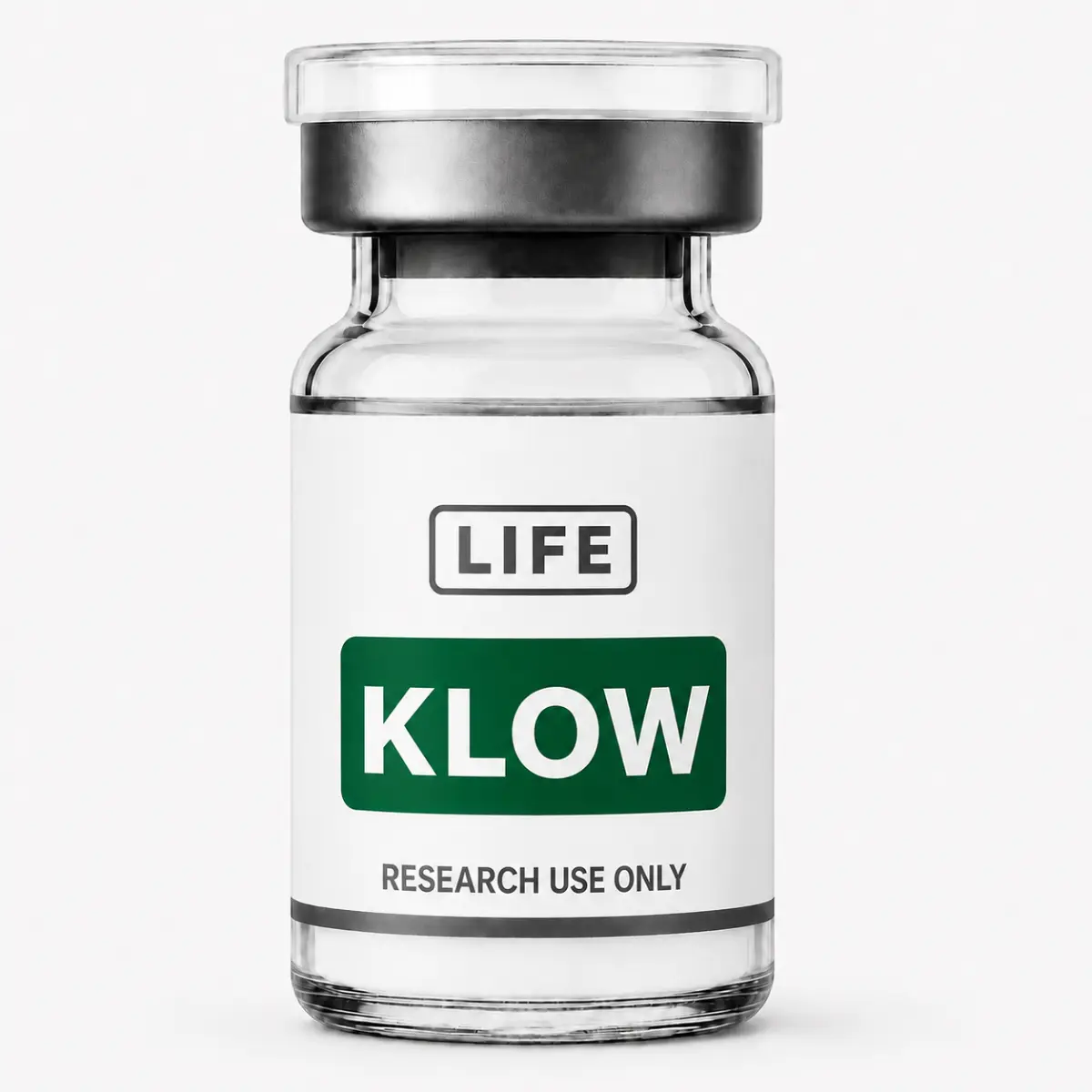
Chcete si v Evropě zakoupit KLOW? Společnost Life Peptide dodává KLOW vysoké čistoty pro laboratorní výzkum a zajišťuje spolehlivou dopravu po celé EU.
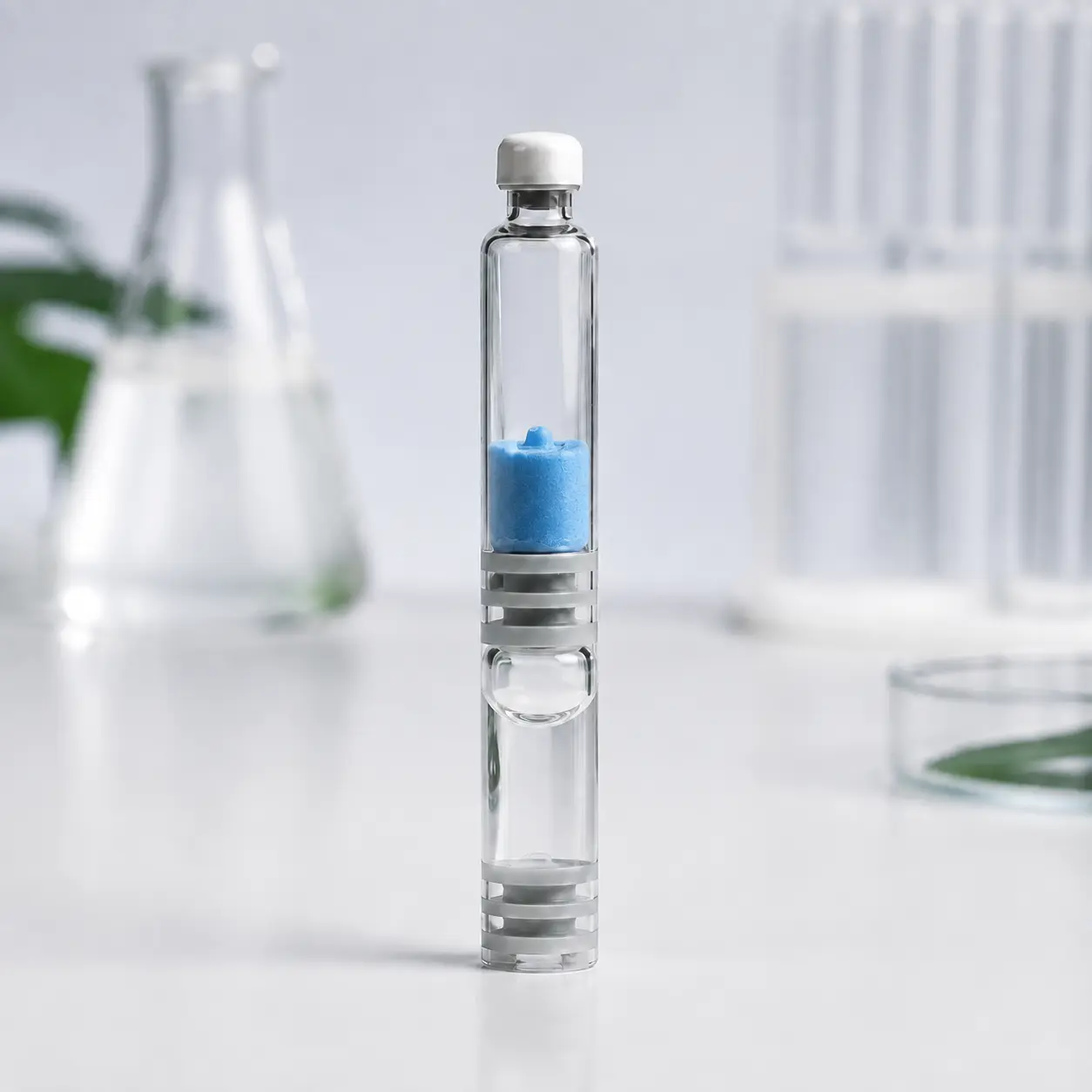
Available in two formats
Choose between a conventional lyophilized vial and a dual-chamber cartridge.
The cartridge keeps Ipamorelin and its diluent in separate chambers until activation. This avoids transporting the peptide as a premixed solution and simplifies laboratory preparation by removing the separate liquid-transfer step. A compatible reusable device is required.
KLOW Blend je předem připravená výzkumná směs čtyř peptidů, která kombinuje:
GHK-Cu – 50 mg
BPC-157 – 10 mg
TB-500 – 10 mg
KPV – 10 mg
Na rozdíl od jednoho výzkumného peptidu je KLOW navržen tak, aby umožnil zkoumání několika komplementární biologické dráhy v jedné formulaci. Každá složka byla nezávisle studována v publikovaném výzkumu ohledně různých aspektů regenerativní biologie, včetně regulace extracelulární matrix, opravy měkkých tkání, migrace buněk a zánětlivé signalizace.
Proč na KLOW záleží v regenerativním výzkumu
Složitá oprava tkání málokdy závisí na jediné biologické dráze. Z tohoto důvodu výzkumníci často zkoumají peptidy, které ovlivňují různé aspekty regenerace, namísto toho, aby se soustředili pouze na jediný mechanismus.
KLOW kombinuje čtyři široce uznávané výzkumné peptidy s doplňkovými oblastmi zkoumání:
GHK-Cu — biologie extracelulární matrice, regulace kolagenu a remodelace tkání.
BPC-157 — výzkum šlach, vazů, svalů a gastrointestinálního traktu.
TB-500 — dynamika aktinu, migrace buněk a regenerační signaling.
KPV — modulace zánětlivých drah a výzkum související s imunitou.
Namísto nahrazování jednotlivých peptidů poskytuje KLOW vhodnou výzkumnou směs pro laboratoře zkoumající, jak spolu tyto komplementární biologické systémy souvisejí.
Čtyři komponenty KLOW
GHK-Cu (50 mg)
Největší složka této směsi, GHK-Cu, je endogenní tripeptid vážící měď, který je zkoumán s ohledem na regulaci extracelulární matrice, biologii kolagenu, angiogenezi a remodelaci tkání.
BPC-157 (10 mg)
Stabilní žaludeční pentadekapeptid široce zkoumaný v oblasti výzkumu šlach, vazů, svalů, trávicího traktu a angiogeneze.
TB-500 (10 mg)
Peptid asociovaný s biologií thymosinu β4, který je běžně zkoumán v souvislosti s migrací buněk, regulací aktinu a opravou tkání.
KPV (10 mg)
Tripeptid derivovaný z $\alpha$-MSH, který vzbudil výzkumný zájem v oblasti zánětlivé signalizace, regulace cytokinů a epiteliální biologie.
Každá složka přispívá jinou oblastí výzkumu, což z KLOW činí širokou regenerační výzkumnou formulaci spíše než peptid s jedním mechanismem účinku.
Proč je KLOW široce zkoumán ve výzkumu hojení tkání
KLOW se stal stále populárnějším, protože kombinuje čtyři peptidy běžně diskutované v regeneračním výzkumu, aniž by výzkumníci museli připravovat několik samostatných formulací.
Publikovaný výzkum jednotlivých komponent pokrývá:
- biologie šlach a vazů
- výzkum kosterních svalů
- přestavba pojivové tkáně
- hojení ran
- angiogeneze
- regulace extracelulární matrix
- zánětlivá signalizace
- fyziologie kůže
- gastrointestinální biologie
Protože se tyto dráhy v experimentálních modelech hojení tkání často překrývají, vícedpeptidové formulace, jako je KLOW, přitahují v laboratorním výzkumu rostoucí zájem. Avšak, publikované důkazy se týkají především jednotlivých složek, a u samotné směsi by se nemělo předpokládat, že bude vykazovat aditivní nebo synergické účinky, pokud to nebude konkrétně prokázáno v budoucích studiích.
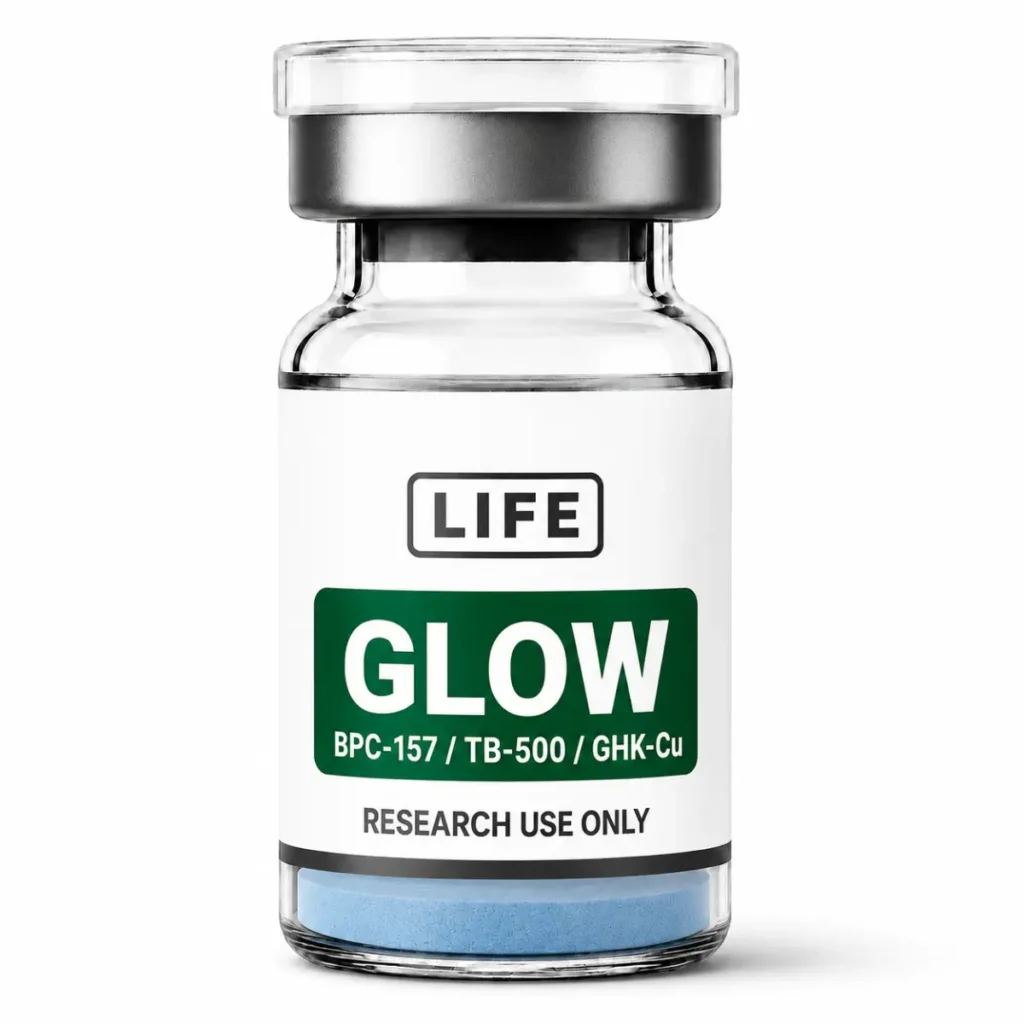
Proč se KLOW liší od GLOW
Ačkoli jsou názvy podobné, obě směsi mají odlišné výzkumné zaměření.
Směs KLOW
- GHK-Cu 50 mg
- BPC-157 10 mg
- TB-500 10 mg
- KPV 10 mg
širší pokrytí zánětlivých drah
GLOW Blend
- GHK-Cu 50 mg
- BPC-157 10 mg
- TB-500 10 mg
žádné KPV
Přidání KPV činí KLOW obzvláště relevantním pro výzkumníky se zájmem o ckombinace regeneračních a zánětlivých drast v rámci jediné experimentální formulace.
Lidský a preklinický výzkum
V současné době neexistují žádné velké publikované klinické studie hodnotící KLOW jako kombinovanou čtyřpeptidovou formulaci. Vědecké zdůvodnění této směsi je namísto toho založeno na jednotlivá důkazní základna každé součásti.
Publikovaná literatura zahrnuje:
- rozsáhlá preklinická práce na látce BPC-157
- regenerativní a dermatologický výzkum zahrnující GHK-Cu
- mechanistické a regenerační studie biologie thymosinu β4 / TB-500
- laboratorní vyšetření KPV v zánětu a epiteliálních modelech
V souladu s tím by měl být KLOW vnímán spíše jako výzkumná směs kombinující individuálně zkoumané peptidy než jako molekula s vlastní nezávislou klinickou evidencí.
Publikovaná bezpečnostní opatření
Protože KLOW kombinuje čtyři peptidy, publikované bezpečnostní informace vycházejí z dostupné literatury o každé jednotlivé složce, nikoli z cílených studií samotné směsi. Vědci by proto měli interpretovat zjištění v kontextu jednotlivých peptidů a vyhnout se předpokladu, že pozorování učiněná u jedné složky se automaticky vztahují na kombinovanou formulaci.
Vlastnosti produktu
Aplikace: laboratorní a analytický výzkum
Použití omezené: není určeno k lidské spotřebě; pro lékařské, veterinární ani kosmetické použití
Vyrobeno v zařízeních splňujících správnou výrobní praxi (GMP) za přísných protokolů kontroly kvality.
Každá šarže je po výrobě pečlivě laboratorně testována (Certifikát o analýze najdete pod obrázky produktů).
Lyofilizováno (sušeno mrazem) pro maximální stabilitu a prodlouženou trvanlivost.
Uzavřeno ve sterilních lahvičkách, připraveno k rekonstituci.
Obsah peptidu v jedné lahvičce:
GHK-Cu – 50 mg
BPC-157 – 10 mg
TB-500 – 10 mg
KPV – 10 mg
Čistota: ≥ 99% (HPLC)
Vzhled: šedomodrý lyofilizovaný prášek
Molekulární vzorec GHK-Cu: C14H22N6O4Cu
CAS č. GHK-Cu: 89030-95-5
Molekulární vzorec BPC-157: C62H98N16O22
CAS č. BPC-157: 137525-51-0
Molekulární vzorec TB-500: C38H68N10O14
CAS č. TB-500: 885340-08-9
Molekulární vzorec KPV: C16H30N4O4
Č. CAS KPV: 67727-97-3
ÚložištěNeotevřené lyofilizované lahvičky jsou nejlépe skladovány chlazené při 2–8 °C, což je metoda skladování potvrzená naším výrobním partnerem a vhodná až po dobu 24 měsíců. Preferuje se chlazení, protože minimalizuje zbytečné cykly zmrazování a rozmrazování během běžné manipulace. Pokud je vyžadováno podstatně delší skladování, lze zmrazené uchovávat i neotevřené lyofilizované lahvičky. Po rekonstituci vždy skladujte při 2–8 °C a nezmrazujte.
Rekonstituce a manipulace
Přípravek KLOW se dodává jako lyofilizovaná lahvička a je nutno s ním zacházet za použití standardních postupů rekonstituce peptidů vhodných pro výzkumné prostředí. Musí být rekonstituován pomocí bakteriostatická voda před použitím. Pro zachování strukturální integrity přidejte zvolené rozpouštědlo pomalu po vnitřní stěně lahvičky namísto přímo na peptidový prášek a vyhněte se prudkému protřepávání. Jemné kroužení je obecně dostačující, jakmile se peptid zcela rozpustí. Standardní laboratorní postupy zahrnují také ponechání chlazených lahviček dosáhnout pokojové teploty před rekonstitucí, aby se minimalizovala kondenzace uvnitř lahvičky.
Pro další pokyny k výběru rozpouštědla, plánování koncentrací a skladování viz úplné Průvodce rekonstitucí peptidů a Kalkulačka rekonstituce.
Klíčové publikované studie
- Pickart L, Margolina A. Regenerativní a ochranné účinky peptidu GHK-Cu ve světle nových genových dat. International Journal of Molecular Sciences, 2018.
Přelomový přehledový článek popisující biologii GHK-Cu, regulaci extracelulární matrice a remodelaci tkání.
- Sikiric P, Seiwerth S, Rucman R a kol. Stabilní žaludeční pentapeptid BPC 157: Nová terapie v gastrointestinálním traktu. Current Pharmaceutical Design, 2011.
Základní přehled látky BPC-157, který se zabývá gastrointestinální biologií, angiogenezí a regenerativním výzkumem.
- Goldstein AL, Kleinman HK. Thymosin β4: Struktura, funkce a biologické vlastnosti podporující současné a budoucí klinické aplikace. Annals of the New York Academy of Sciences, 2010.
Průlomový přehledový článek o biologii thymosinu β4, migraci buněk, angiogenezi a hojení tkání.
- Získávání SJ. Cílení na melanokortinový systém: KPV a protizánětlivá signalizace. Farmakologie a terapie, 2006.
Klíčový přehled zabývající se peptidy odvozenými od melanokortinu, včetně KPV, a jejich úlohou ve výzkumu zánětlivých drah.
Často kladené otázky
Co je KLOW Blend?
Směs KLOW je výzkumná formulace kombinující čtyři peptidy v jedné lyofilizované lahvičce: GHK-Cu (50 mg), BPC-157 (10 mg), TB-500 (10 mg) a KPV (10 mg). Každý peptid byl nezávisle zkoumán v publikovaném výzkumu ohledně různých aspektů regenerační biologie, včetně remodelace extracelulární matrix, opravy měkkých tkání, migrace buněk a zánětlivé signalizace. Směs spojuje tyto doplňkové oblasti výzkumu do jedné formulace pro laboratorní zkoumání.
Které peptidy jsou obsaženy v KLOW?
Každá 80 mg injekční lahvička obsahuje:
- GHK-Cu – 50 mg
- BPC-157 – 10 mg
- TB-500 (thymosin β4 v plné sekvenci) – 10 mg
- KPV – 10 mg
Společně tyto peptidy představují čtyři odlišné oblasti regenerativního výzkumu, sahající od biologie pojivových tkaní a angiogeneze až po signální dráhy související se zánětem a přestavbu tkání.
Proč se GHK-Cu, BPC-157, TB-500 a KPV kombinují?
Tyto čtyři peptidy byly vybrány, protože publikovaný výzkum zkoumal každý z nich v jiných, avšak vzájemně se doplňujících biologických dráhách. GHK-Cu je spojován s regulací extracelulární matrice, BPC-157 s výzkumem měkkých tkání a gastrointestinálního traktu, TB-500 s migrací buněk a remodulací tkání a KPV s výzkumem zánětlivých drah. Jejich kombinace umožňuje výzkumníkům zkoumat vícero aspektů regenerační biologie v rámci jediné experimentální formulace. Publikované důkazy se však týkají především **jednotlivých peptidů**, nikoli samotné směsi.
Jaké oblasti výzkumu se běžně zabývají směsí KLOW Blend?
Protože KLOW kombinuje čtyři známé regenerativní peptidy, je relevantní pro výzkum zahrnující opravu tkání, biologii šlach a vazů, přestavbu pojivové tkáně, angiogenezi, zánětlivou signalizaci, fyziologii kůže, muskuloskeletální výzkum a modely hojení ran. Tyto výzkumné oblasti vycházejí z publikované literatury o jednotlivých složkách, nikoli z cílených studií kombinované formulace.
Jak se KLOW liší od GLOW Blend?
Obě směsi obsahují **GHK-Cu, BPC-157 a TB-500**, ale **KLOW navíc obsahuje KPV**, peptid zkoumaný v souvislosti se zánětlivou signalizací a imunitními dráhami. KLOW je tak navržen pro výzkumníky, kteří se zajímají o kombinaci regenerační biologie a biologie se zaměřením na záněty, zatímco GLOW se primárně soustředí na remodelaci tkání a regeneraci.
Mohou být zjištění z jednotlivých peptidů aplikována přímo na KLOW Blend?
Ne nutně. Každý peptid obsažený v přípravku KLOW má svůj vlastní publikovaný výzkumný profil, v současnosti však neexistují žádné rozsáhlé klinické studie hodnotící kompletní směs čtyř peptidů. Z tohoto důvodu by se nemělo automaticky předpokládat, že zjištění uváděná pro GHK-Cu, BPC-157, TB-500 nebo KPV platí i pro kombinovanou formulaci. Vědecké zdůvodnění přípravku KLOW je založeno na komplementárních mechanismech jeho jednotlivých složek.
Můžu si koupit KLOW v Evropě?
Ano. Zasíláme KLOW do většiny evropských zemí pomocí spolehlivých kurýrních služeb. Dostupné způsoby dopravy a dodací lhůty se zobrazí během dokončení objednávky na základě vaší cílové destinace.
Je tento produkt určen k lidskému použití?
Produkt KLOW Blend dodávaný společností Life Peptide je určen výhradně pro laboratorní a analytický výzkum. Není určen k lidské spotřebě, diagnostice, léčbě ani prevenci nemocí. Veškeré zmínky o publikovaných studiích na této stránce představují shrnutí aktuální vědecké literatury týkající se jednotlivých peptidových složek, nikoli zamýšleného použití tohoto produktu.
Související výzkumný kontext
KLOW sedí uvnitř Hkategorie léčení a uzdravení, ale její složení jí dává širší profil než má mnoho standardních regeneračních směsí.
Kombinuje to:
• BPC-157 → výzkum regenerace a buněčné signalizace tkání
• TB-500 → signaling související s opravou, migrací a regenerací
• KPV → výzkum zánětlivých drah a bariérových funkcí
• GHK-Cu → biologie měďnatých peptidů, remodelace tkání a regenerační výzkum kůže
Tento fakt činí KLOW užitečným pro výzkumníky zabývající se modely podpory vícevrstvých tkání namísto jediné izolované dráhy.
Upřednostňujete formulaci zaměřenou na tři klíčové regenerační peptidy? GLOW Blend.
POZNÁMKAToto je pouze pro vzdělávací účely a nepředstavuje lékařskou radu.
Zřeknutí se odpovědnosti
Tento produkt je prodáván pouze pro výzkumné účely. Není určen k diagnostice, léčbě, vyléčení nebo prevenci jakýchkoli onemocnění. Kupující přebírá plnou odpovědnost za řádnou manipulaci a použití.