Description
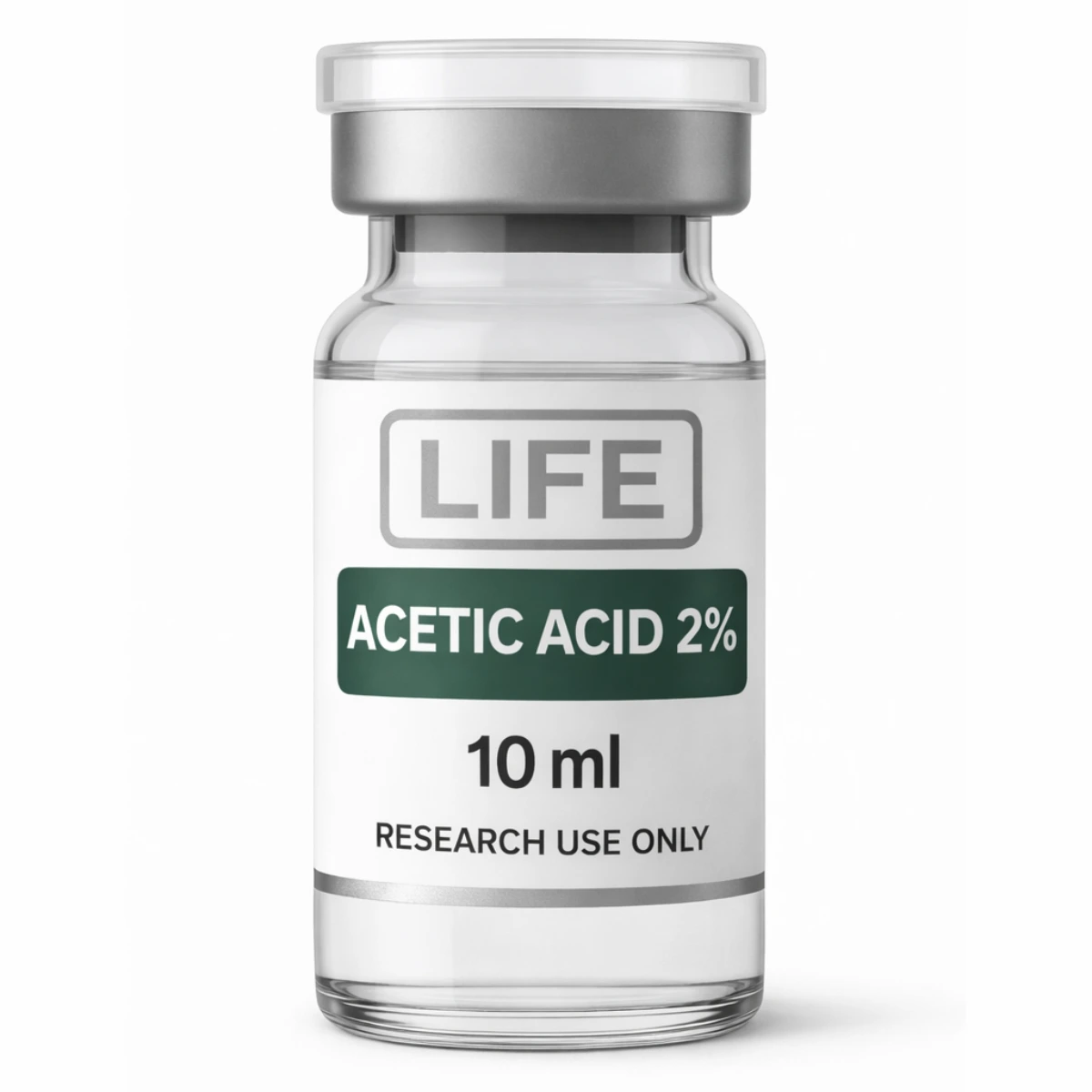
L’acide acétique 2% est une solution acide diluée utilisée comme solvant de reconstitution spécialisé dans la recherche des peptides.
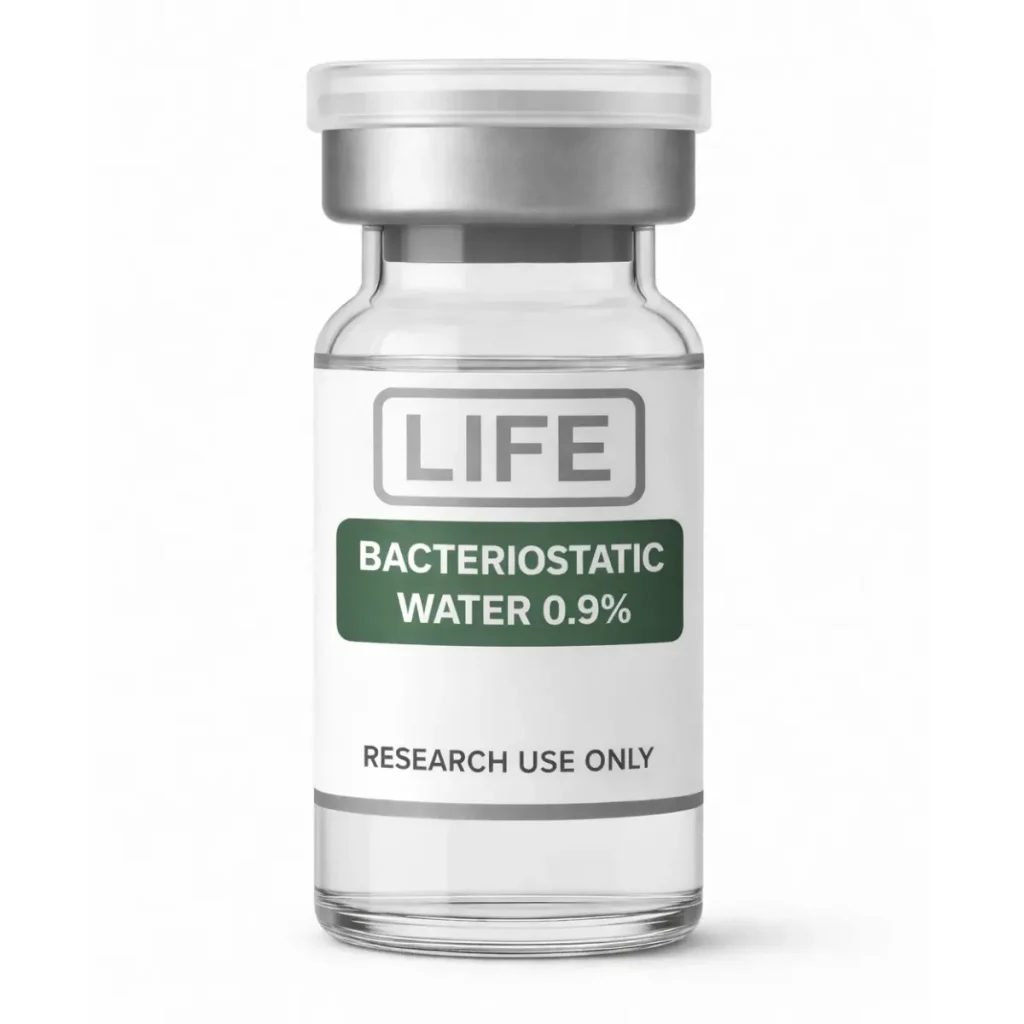
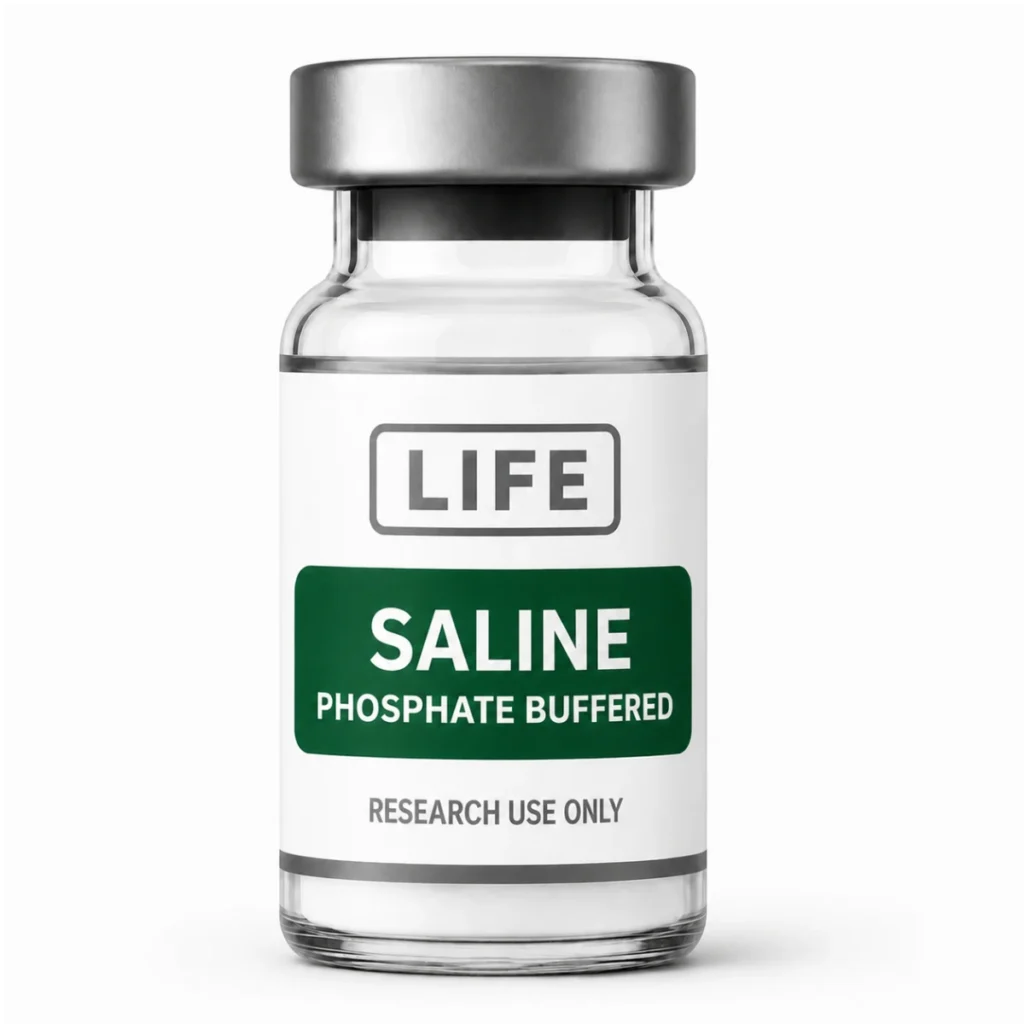
Bien que l’eau bacteriostatique et le sel physiologique tamponné par phosphate soient appropriés pour la plupart des peptides, certaines séquences peuvent rester turbides, se rassembler ou se dissoudre incomplètement dans des conditions neutres. Dans ces cas, un milieu faiblement acide peut améliorer la solubilité des peptides et produire une solution plus claire. L’acide acétique est donc utilisé comme aide à la solubilité technique, Au lieu d'un solvant péptidase universel.
Pourquoi utiliser l'acide acétique ?
Les chercheurs peuvent choisir l'acide acétique lorsqu'un peptide est présent :
- ne se dissout pas bien dans l'eau bactéricide
- formes visibles d'agrégats ou de particules
- reste nuageux après la reconstitution
- exige des conditions légèrement acides pour une meilleure solubilité
- Il est connu pour mieux performer dans les solutions acides.
Quand l'acide acétique est-il préféré ?
La plupart des peptides de recherche se reconstituent facilement dans de l'eau bacteriostatique ou du sel physiologique tampon phosphate. L'acide acétique est généralement réservé aux peptides difficiles à dissoudre dans des solutions neutres. Parmi les exemples couramment évoqués dans la recherche peptidique, on peut citer :
IGF-1 LR3
IGF-1 DES
PEG-MGF
Sélections de séquences peptidiques hydrophobes ou susceptibles d'agrégation
Selon le peptide spécifique, les chercheurs peuvent utiliser l’acide acétique comme solvant principal ou comme étape initiale de dissolution avant une nouvelle dilution dans une autre solution compatible.
Acide acétique vs eau BAC vs PBS
Chaque solvant joue un rôle différent dans la recherche en peptide.
acide acétique
- solution faiblement acide
- améliore la solubilité des peptides sélectionnés
- liquide spécialisé
- Pas nécessaire pour la plupart des peptides
- Solvent standard pour la plupart des peptides
- contient 0,91 TP4T d'alcool benzylique
- Convient à une utilisation à plusieurs doses
- maintenir le pH physiologique
- utile pour les peptides qui bénéficient de conditions à pH amorti
- Utilisé couramment dans le cadre de travaux de laboratoire biologiques
Le choix du solvant approprié dépend des caractéristiques de solubilité individuelles du peptide plutôt que d’une règle universelle unique.
Manutention et stockage
Pour les meilleures pratiques de laboratoire :
- utilisez des seringues et des aiguilles stériles
- éviter la contamination après l’ouverture
- Conserver au réfrigérateur après ouverture, si nécessaire
- utiliser uniquement du matériel de laboratoire propre
- Gardez le récipient bien fermé
Caractéristiques du produit
- Pureté solution aqueuse de qualité de laboratoire
- Apparence : Liquat clair, incolor
- Composition : 2% acide acétique dans l'eau
- Formule moléculaire (acide acétique) : C₂H₄O₂
- Poids moléculaire (acide acétique) : ~60,05 g/mol
- Stockage Conserver à une température ambiante contrôlée (20–25°C), fermement scellé
Questions fréquemment posées
À quoi sert l'acide acétique ?
L’acide acétique est utilisé comme solvant de reconstitution spécialisé pour les peptides qui ne dissolvent pas bien dans des solutions neutres telles que l’eau bactéricide.
Les peptides nécessitent-ils tous l'acide acétique ?
Non. La plupart des peptides se dissolvent facilement dans de l’eau bacteriostatique ou du sel physiologique tamponné en phosphate. L’acide acétique est destiné uniquement aux peptides qui bénéficient de conditions légèrement acides.
Quels peptides utilisent-ils généralement l’acide acétique ?
Selon le fabricant et la formulation, des peptides tels que l’IGF-1 LR3, l’IGF-1 DES, le PEG-MGF et certains peptides de recherche hydrophobes sont généralement reconstitués à l’aide d’acide acétique dilué.
L’acide acétique peut-il améliorer la solubilité des peptides ?
Oui. Baisser le pH peut modifier les caractéristiques chargement des peptides et réduire leur agrégation, permettant ainsi à certains peptides difficiles à dissoudre de se dissoudre plus facilement.
Doit-on utiliser l'acide acétique pour tous les peptides ?
Non. Il ne devrait être utilisé que lorsque cela est approprié pour le peptide en question. L’utilisation d’un solvant acide lorsque cela n’est pas nécessaire n’offre aucun avantage et pourrait ne pas convenir pour toutes les séquences.
Ce produit est-il destiné à un usage humain ?
Non. Ce produit est fourni exclusivement pour la recherche en laboratoire et l'analyse. Il n'est pas destiné à la consommation humaine, au diagnostic, au traitement ou à la prévention des maladies.
Produits de recherche associés
Eau bactériostatique – solution de reconstitution standard pour la plupart des peptides.
Tampon phosphate salin – alternative tamponnée pour les peptides sélectionnés.
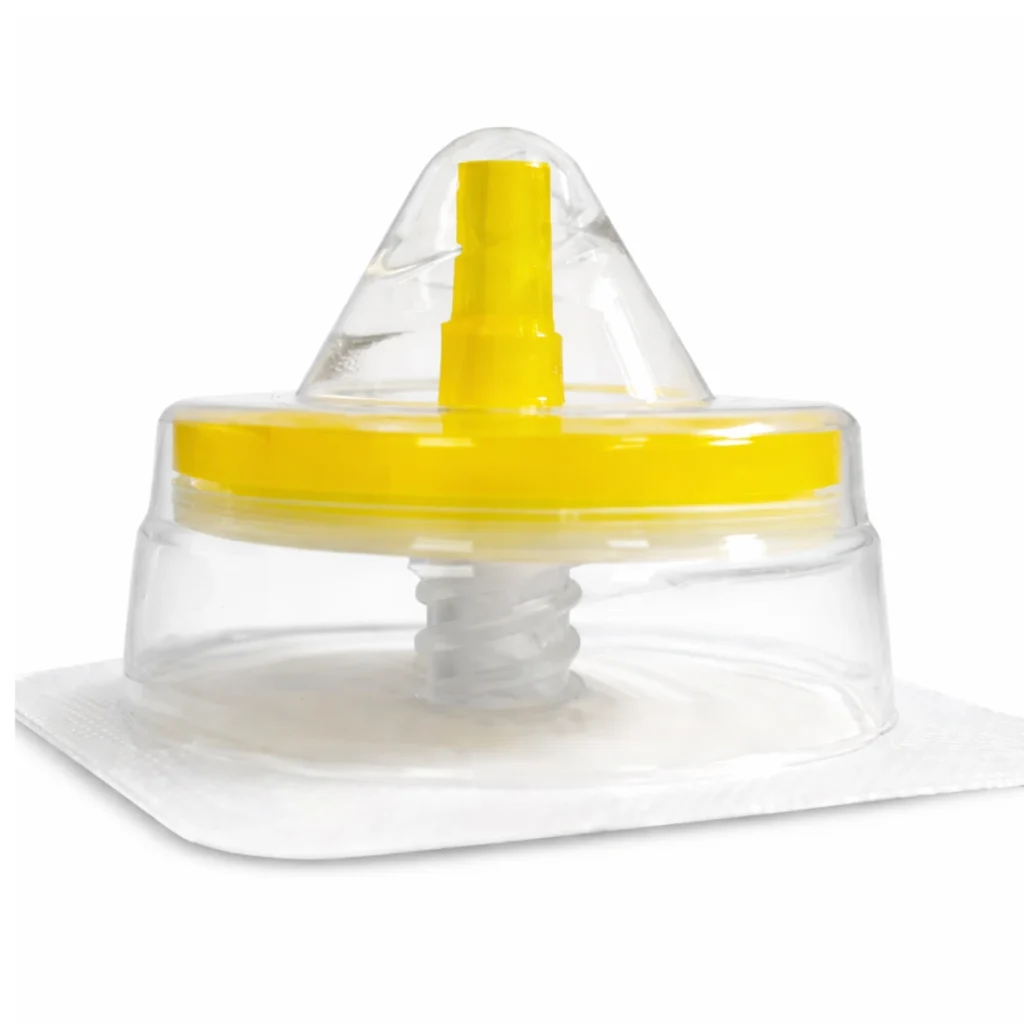
Filtres à seringue PES de 0,22 μm – filtration stérile des solutions de laboratoire.
Guide de reconstitution des peptides – apprendre à choisir le solvant approprié pour différents peptides.
NOTE
Ces informations sont fournies à titre purement informatif et ne constituent en aucun cas un avis médical.
Avis de non-responsabilité
Ce produit est vendu à des fins de recherche uniquement. Il n'est pas destiné à diagnostiquer, traiter, guérir ou prévenir une maladie. L'acheteur assume la pleine responsabilité de sa manipulation et de son utilisation appropriées.