Popis
GHK-Cu in Europe | Chcete v Evropě zakoupit GHK-Cu? Společnost Life Peptide dodává GHK-Cu vysoké čistoty pro laboratorní výzkum a zajišťuje spolehlivou dopravu po celé EU.
Available in two formats
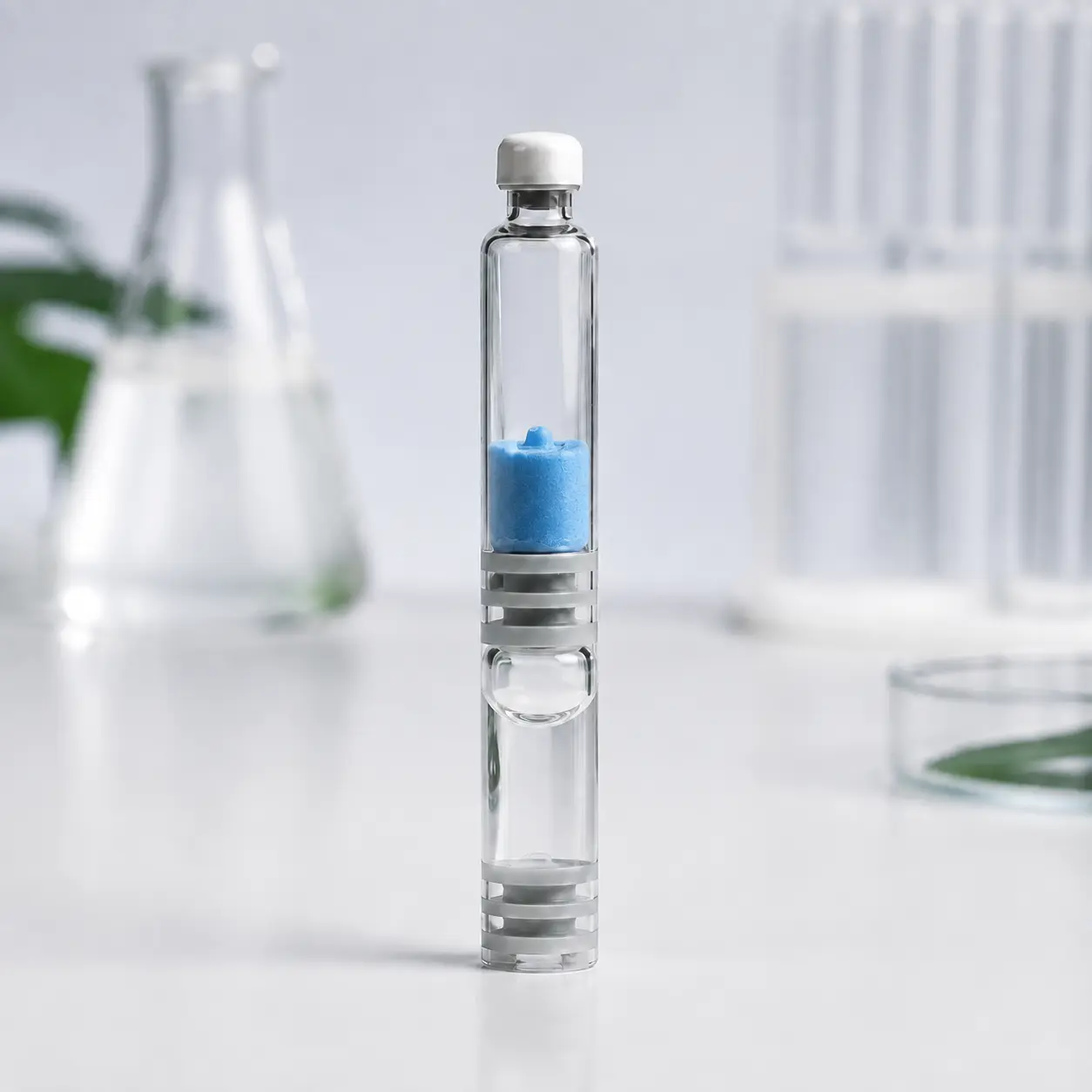
Choose between a conventional lyophilized vial and a dual-chamber cartridge.
The cartridge keeps GHK-Cu and its diluent in separate chambers until activation. This avoids transporting the peptide as a premixed solution and simplifies laboratory preparation by removing the separate liquid-transfer step. Final dual-chamber cartridge concentration: 100 mg in 1 mL. A compatible reusable device is required.
GHK-Cu (měďnatý komplex glycyl-L-histidyl-L-lysinu) je přírodně se vyskytující tripeptid vážící měď byl poprvé identifikován v lidské plazmě. Na rozdíl od syntetických signálních peptidů vyvinutých speciálně pro terapeutický výzkum je GHK endogenní molekula, jejíž koncentrace s věkem postupně klesá, což z něj činí důležitý předmět ve výzkumu regenerace tkání a biologie stárnutí.
GHK-Cu se prostřednictvím vazby na ionty mědi podílí na četných biologických procesech souvisejících s udržováním extracelulární matrice, buněčnou komunikací, hojením ran a regulací zánětlivých procesů. Díky své široké biologické aktivitě se stal jednou z nejlépe prozkoumaných regenerační peptidy v dermatologii, biologii pojivové tkáně a výzkumu regenerativní medicíny.
Proč je GHK-Cu důležitý ve výzkumu regenerativní medicíny
GHK-Cu přitahuje trvalý vědecký zájem, protože ovlivňuje více biologických drah namísto toho, aby působil prostřednictvím jediného receptoru.
Publikované studie se zabývaly GHK-Cu ve vztahu k:
- přestavba extracelulární matrice
- biologie kolagenu a elastinu
- hojení ran
- angiogeneze
- zánětlivá signalizace
- antioxidační reakce
- fyziologie kůže
- biologie vlasových folikulů
- regenerace pojivové tkáně
Na rozdíl od látek BPC-157 nebo TB-500, o nichž se hovoří především v souvislosti s modely poškození a regenerace, je GHK-Cu často zkoumán jako širší regulátor tkáňové přestavby a buněčné homeostázy.
Jak funguje GHK-Cu
GHK-Cu působí především prostřednictvím regulace genové exprese, nikoli aktivací jedné konkrétní receptorové dráhy.
Publikovaný výzkum prokázal, že GHK-Cu může ovlivňují řadu genů podílí se na:
- syntéza extracelulární matrice
- obnova kolagenu
- remodelace tkáně
- zánětlivá signalizace
- antioxidační ochrana
- signální dráhy související s kmenovými buňkami
- angiogeneze
Vázání na měď je pro tuto biologickou aktivitu zásadní, což umožňuje GHK-Cu podílet se na buněčných signálních procesech spojených s udržováním a obnovou tkání.
Na rozdíl od mnoha peptidů, které se vážou na konkrétní receptor, působí GHK-Cu jako multifunkční signální peptid, což vysvětluje neobvykle široké spektrum výzkumných oblastí, v nichž byl tento jev zkoumán.
Zveřejněné výsledky výzkumu na lidech a předklinického výzkumu
Látka GHK-Cu je zkoumána v laboratorních i klinických výzkumech již několik desetiletí. Publikované studie zkoumaly její roli v oblastech:
- regenerace pokožky
- hojení ran
- obnova pojivové tkáně
- biologie vlasů
- modulace zánětu
- přestavba extracelulární matrice
Klinické studie na lidech se zaměřovaly především na dermatologické aplikace, zatímco rozsáhlý laboratorní výzkum se zabýval molekulárními mechanismy podílejícími se na regeneraci tkání, syntéze kolagenu a regulaci genů.
Na rozdíl od novějších peptidů ve fázi výzkumu se GHK-Cu může pochlubit relativně dlouhou historií výzkumu napříč různými obory.
Publikované bezpečnostní poznatky
Zveřejněné klinické studie zabývající se lokálním použitím GHK-Cu obecně uvádějí příznivou lokální snášenlivost. Vzhledem k tomu, že velká část dostupné literatury týkající se lidí se vztahuje spíše k dermatologickým a kosmetickým přípravkům než k výzkumu injekčních peptidů, je třeba závěry ohledně bezpečnosti vykládat v kontextu konkrétního zkoumaného přípravku.
Celkově lze říci, že GHK-Cu patří i nadále k nejlépe charakterizovaným regeneračním peptidům, pokud jde o biologickou aktivitu a tkáňovou snášenlivost.
Proč se GHK-Cu liší od ostatních regeneračních peptidů
Přestože jsou GHK-Cu, BPC-157 a TB-500 často uváděny společně jako regenerační výzkumné peptidy, představují odlišné biologické přístupy a nejsou přímo vzájemně zaměnitelné.
GHK-Cu je nejlépe známý pro svůj široký vliv na biologie extracelulární matrix, obrat kolagenu a regulace genů. Publikovaný výzkum naznačuje, že GHK-Cu nepůsobí prostřednictvím jediného receptoru nebo signální dráhy, ale může ovlivňovat řadu genů zapojených do remodelace tkání, zánětlivých odpovědí, antioxidační obrany a buněčné opravy. Tato aktivita na úrovni systémů z něj učinila důležitý model pro studie fyziologie kůže, biologie pojivové tkáně a regenerační signalizace.
BPC-157 je primárně zkoumán v modelech oprava měkkých tkání, angiogeneze a cytoprotekce. Výzkum se zaměřil na šlachové, vazivové, svalové a gastrointestinální tkáně se zvláštním důrazem na jeho účinky na signalizaci hojení tkání a vaskulární odpovědi po zranění.
TB-500 (výzkumný fragment odvozený z Thymosinu Beta-4) je studován především pro svou roli v migrace buněk, dynamika aktinu a remodelace tkání. Na rozdíl od GHK-Cu, který úzce souvisí s regulací extracelulární matrice, je TB-500 často zkoumán z hlediska toho, jak se buňky pohybují, organizují a reagují během opravy tkání.
Pro výzkumníky závisí volba mezi těmito peptidy méně na tom, který je “lepší”, a více na zkoumané biologické otázce. GHK-Cu se často vybírá, když je hlavní pozornost věnována biologie kolagenu, fyziologie kůže, remodelace extracelulární matrix nebo široká regenerační signalizace, zatímco BPC-157 a TB-500 jsou častěji zkoumány v experimentálních modelech zaměřených na reakce na zranění, oprava tkání a mechanismy hojení.
Protože jsou tyto mechanizmy spíše doplňkové než vzájemně se vylučující, publikovaný výzkum o těchto peptidech často hovoří spolu při zkoumání různých aspektů regenerativní biologie.
Vlastnosti produktu
Aplikace: laboratorní a analytický výzkum
Použití omezené: není určeno k lidské spotřebě; pro lékařské, veterinární ani kosmetické použití
Vyrobeno v zařízeních splňujících správnou výrobní praxi (GMP) za přísných protokolů kontroly kvality.
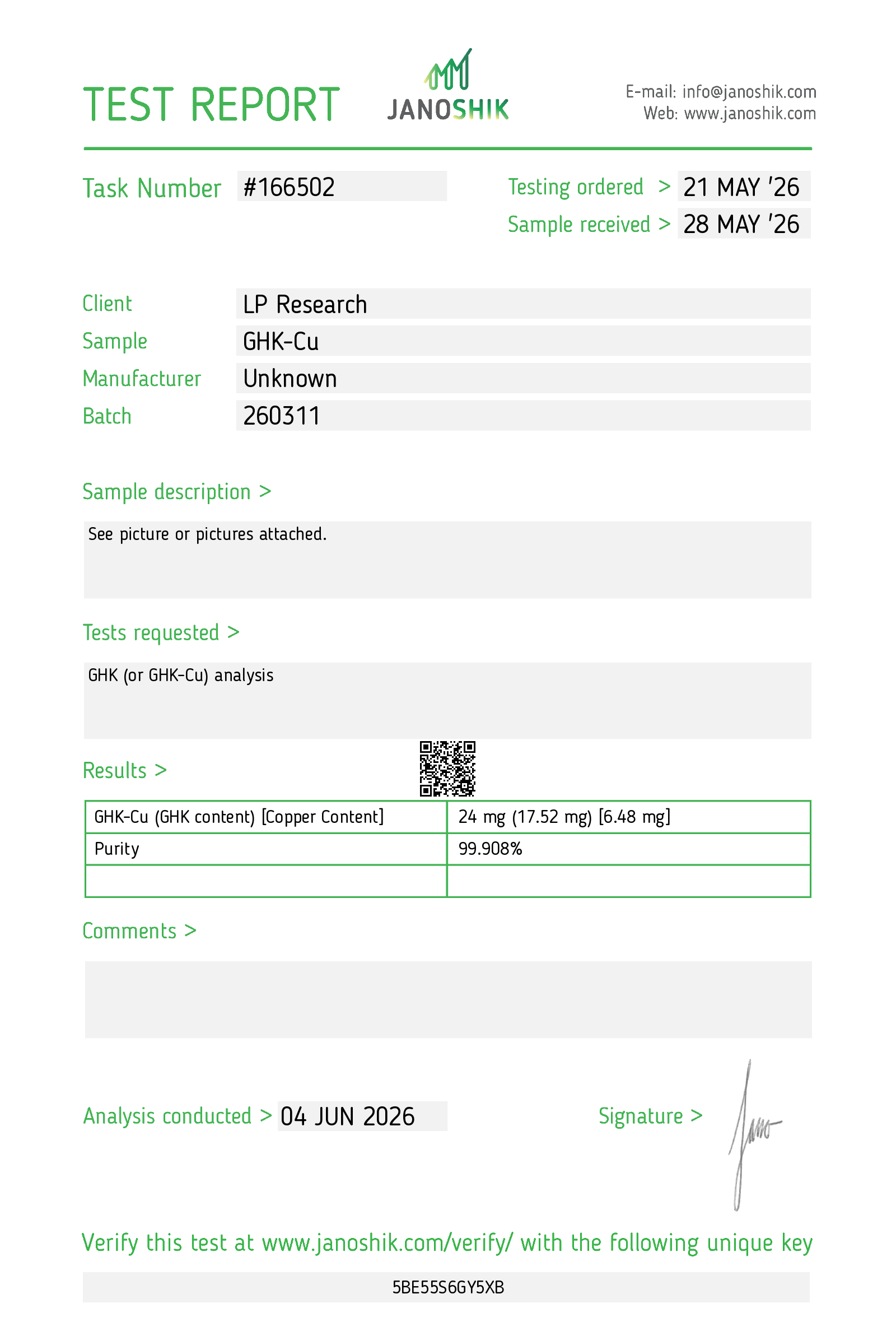
Každá šarže je po výrobě pečlivě laboratorně testována (Certifikát o analýze najdete pod obrázky produktů).
Lyofilizováno (sušeno mrazem) pro maximální stabilitu a prodlouženou trvanlivost.
Uzavřeno ve sterilních lahvičkách, připraveno k rekonstituci.
Čistota: ≥ 99%, testováno metodou HPLC; vysoká čistota a shoda složení byly nezávisle potvrzeny. Zobrazit ověření třetí stranou.
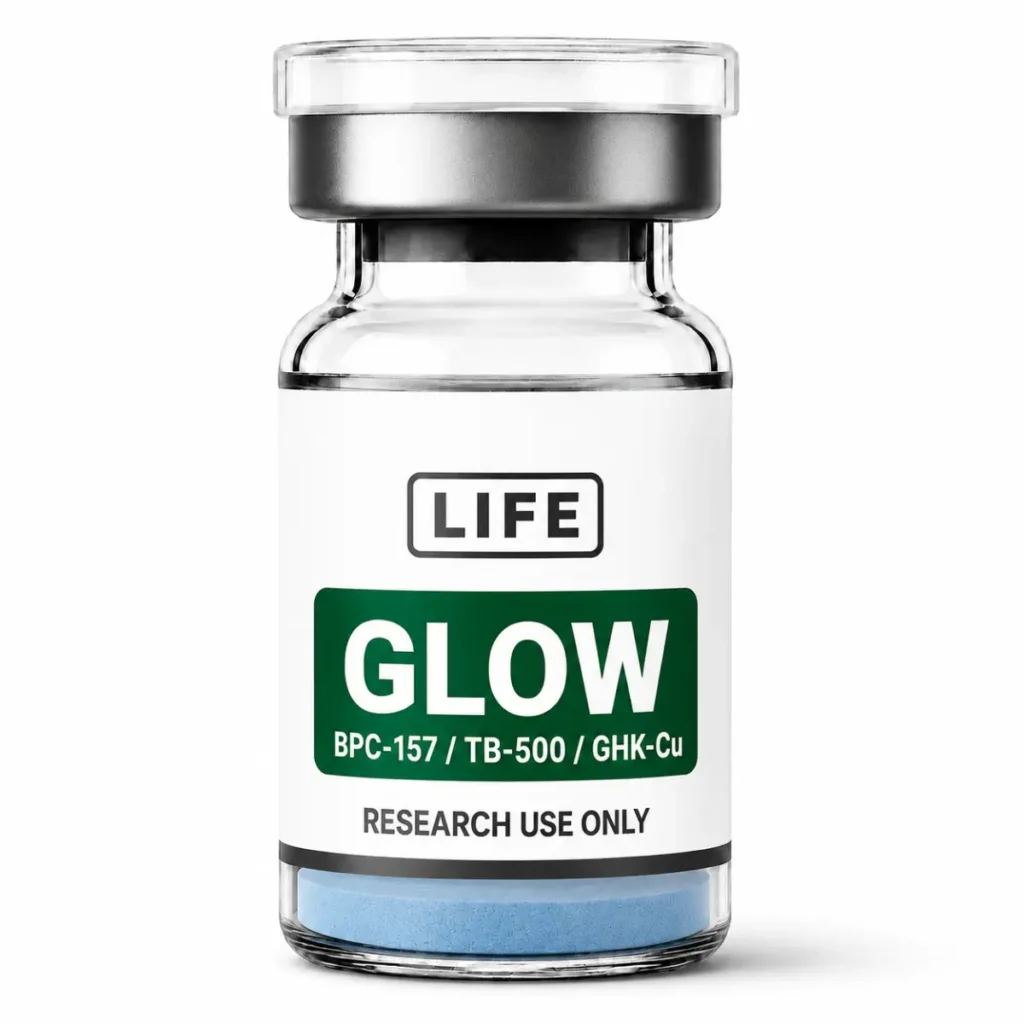
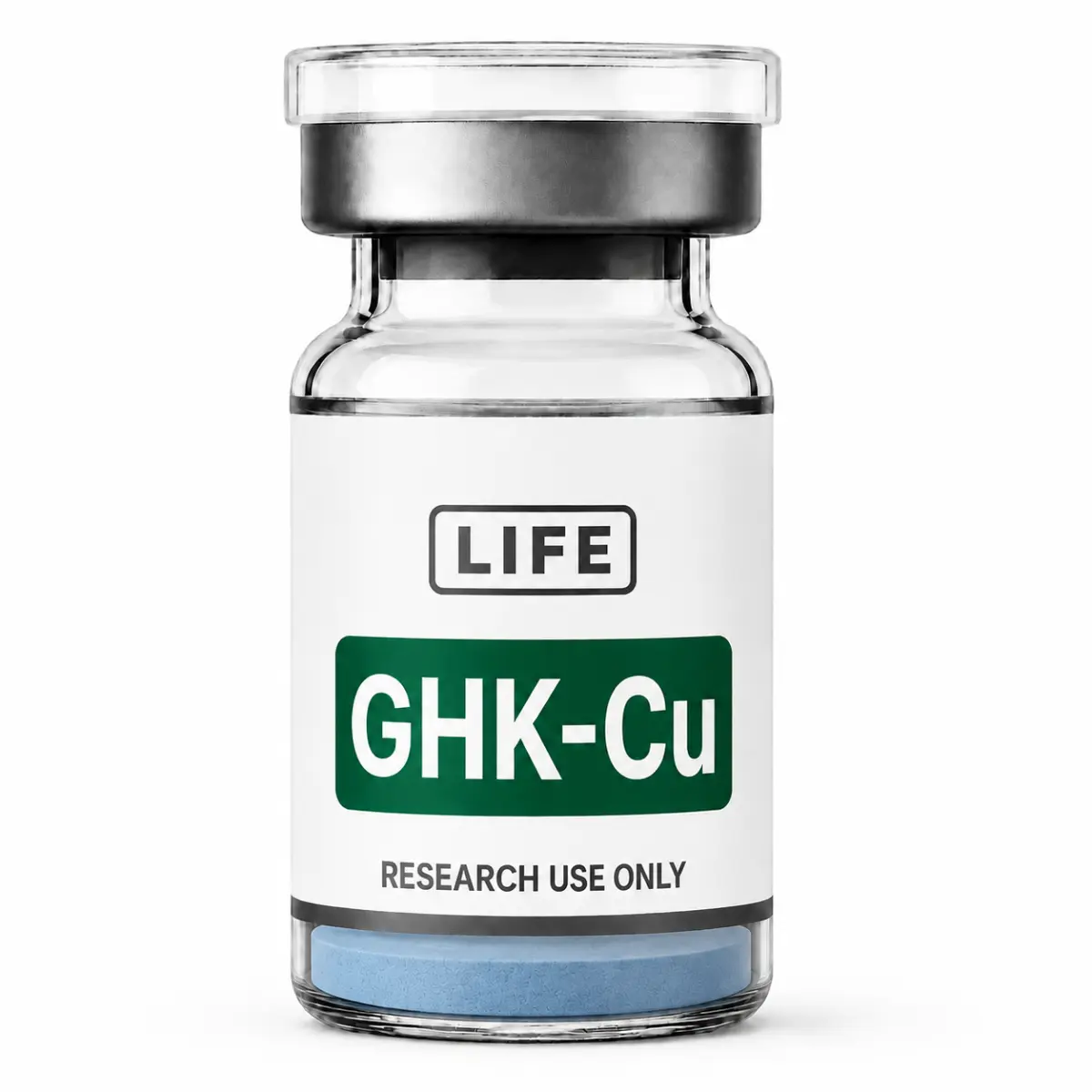
Vzhled: Modrý lyofilizovaný prášek
Molekulární vzorec: C14H22CuN6O4
Molekulová hmotnost: 403,9 g/mol
Sekvence: Gly-His-Lys:Cu (1:1, HOAc)
ÚložištěNeotevřené lyofilizované lahvičky jsou nejlépe skladovány chlazené při 2–8 °C, což je metoda skladování potvrzená naším výrobním partnerem a vhodná až po dobu 24 měsíců. Preferuje se chlazení, protože minimalizuje zbytečné cykly zmrazování a rozmrazování během běžné manipulace. Pokud je vyžadováno podstatně delší skladování, lze zmrazené uchovávat i neotevřené lyofilizované lahvičky. Po rekonstituci vždy skladujte při 2–8 °C a nezmrazujte.
Rekonstituce a manipulace
GHK-Cu je dodáván jako lyofilizovaný peptid a měl by být rekonstituován pomocí vhodných laboratorních postupů pro výzkum peptidů. Pro zachování strukturální integrity přidávejte zvolené rozpouštědlo pomalu po vnitřní stěně vialky namísto přímo na peptidový lyofilizát a vyvarujte se prudkého třepání. Jakmile se peptid zcela rozpustí, obvykle postačuje jemné kroužení. Standardní laboratorní praxe rovněž zahrnuje ponechání chlazených vialek před rekonstitucí vytemperovat na pokojovou teplotu, aby se minimalizovala kondenzace uvnitř vialky.
Nejčastěji se GHK-Cu rekonstituuje s bakteriostatická voda Před použitím. Pro sterilní filtraci roztoků peptidů se doporučuje použít 0,22 µm PES stříkačkový filtr. Informace o výběru dalších rozpouštědel, plánování koncentrací a pokyny ke skladování naleznete v úplném znění Průvodce rekonstitucí peptidů a Kalkulačka rekonstituce.. Tyto zdroje vysvětlují, jak různé objemy rekonstituce ovlivňují pracovní koncentraci, aniž by doporučovaly výzkumné protokoly.
Klíčové publikované studie
- Pickart L. Lidský tripeptid GHK a remodelace tkání. Journal of Biomaterials Science, 2008.
Základní práce popisující biologický objevu peptidu GHK a jeho roli při hojení tkání a v regenerační signalizaci.
- Pickart L, Margolina A. Regenerativní a ochranné účinky peptidu GHK-Cu ve světle nových genových dat. International Journal of Molecular Sciences, 2018.
Jedna z klíčových přehledových studií demonstrujících široké účinky na regulaci genů spojené s GHK-Cu.
- Pickart L. Lidský tripeptid GHK-Cu v prevenci oxidačního stresu a hojení tkání. BioMed Research International, 2015.
Komplexní přehled regenerativní biologie, hojení ran a antioxidačních mechanismů.
- Finkley MB et al. Měděné peptidy a výzkum regenerace kůže. Journal of Cosmetic Dermatology, 2015.
Klinická práce zkoumající GHK-Cu v dermatologickém výzkumu a fyziologii kůže.
Často kladené otázky
Co je GHK-Cu?
GHK-Cu je přirozeně se vyskytující tripeptid vázající měď, který se nachází v lidské plazmě a tkáních. Byl podrobně zkoumán pro svou roli v remodelaci tkání, biologii extracelulární matrice a regenerační signalizaci.
Jak se GHK-Cu liší od BPC-157?
BPC-157 je primárně zkoumán na modelech poranění a šlach, zatímco GHK-Cu má mnohem širší výzkumný profil zahrnující biologii kolagenu, remodelaci extracelulární matrix, hojení ran, fyziologii kůže a regulaci genů.
Jak se GHK-Cu liší od TB-500?
TB-500 je spojen především s migrací buněk a dynamikou aktinu, zatímco GHK-Cu je známý svými účinky na biologii extracelulární matrix, metabolismus kolagenu a regenerační signální dráhy.
Proč je měď v GHK-Cu důležitá?
Měď je nezbytnou součástí komplexu GHK-Cu. Vazba mědi umožňuje tomuto peptidu účastnit se mnoha biologických procesů souvisejících s buněčnou komunikací, opravou tkání a udržováním extracelulární matrice.
Mezi jaké oblasti výzkumu obvykle patří zkoumání GHK-Cu?
Publikované studie zkoumali látku GHK-Cu v oblasti remodelace tkání, fyziologie kůže, hojení ran, biologie pojivové tkáně, angiogeneze, zánětlivé signalizace, biologie vlasů a regenerativní medicíny.
Můžu koupit GHK-Cu v Evropě?
Ano. GHK-Cu zasíláme do většiny evropských zemí pomocí spolehlivých kurýrních služeb. Dostupné způsoby dopravy a dodací lhůty se zobrazí během dokončení objednávky na základě vaší cílové destinace.
Je tento produkt určen k lidskému použití?
Ne. Produkt GHK-Cu dodávaný společností Life Peptide je určen výhradně pro laboratorní a analytický výzkum. Není určen k lidské spotřebě, diagnostice, léčbě ani prevenci nemocí. Jakékoli zmínky o publikovaných studiích představují pouze shrnutí vědecké literatury týkající se molekuly GHK-Cu, nikoli zamýšleného použití tohoto produktu.
Související výzkumný kontext
GHK-Cu je součástí výzkumné třídy regeneračních peptidů a přestavby extracelulární matrice (ECM), která se běžně studuje v modelech zahrnujících syntézu kolagenu, regeneraci tkání a regulaci metaloproteináz. Pro širší kontext angiogeneze, drah hojení tkání a interakcí více sloučenin viz naše Průvodce výzkumem léčení a zotavení.
Pro mechanistické srovnání s cytoprotektivními a migraci modulujícími peptidy viz naše Průvodce měděnými peptidy a hojením tkání.
Procházet všechny sloučeniny v Kategorie výzkumu léčení a rekonvalescence.
Výzkumníci zkoumající remodelaci tkání, signální dráhy oprav a regeneraci zahrnující více drah mohou také zkoumat:
BPC-157 – peptid asociovaný s angiogenezou a dráhami hojení tkání
Tb4 (Úplná sekvence thymosinu beta-4, známého také jako TB500) – regulace aktinu a buněčná migrace
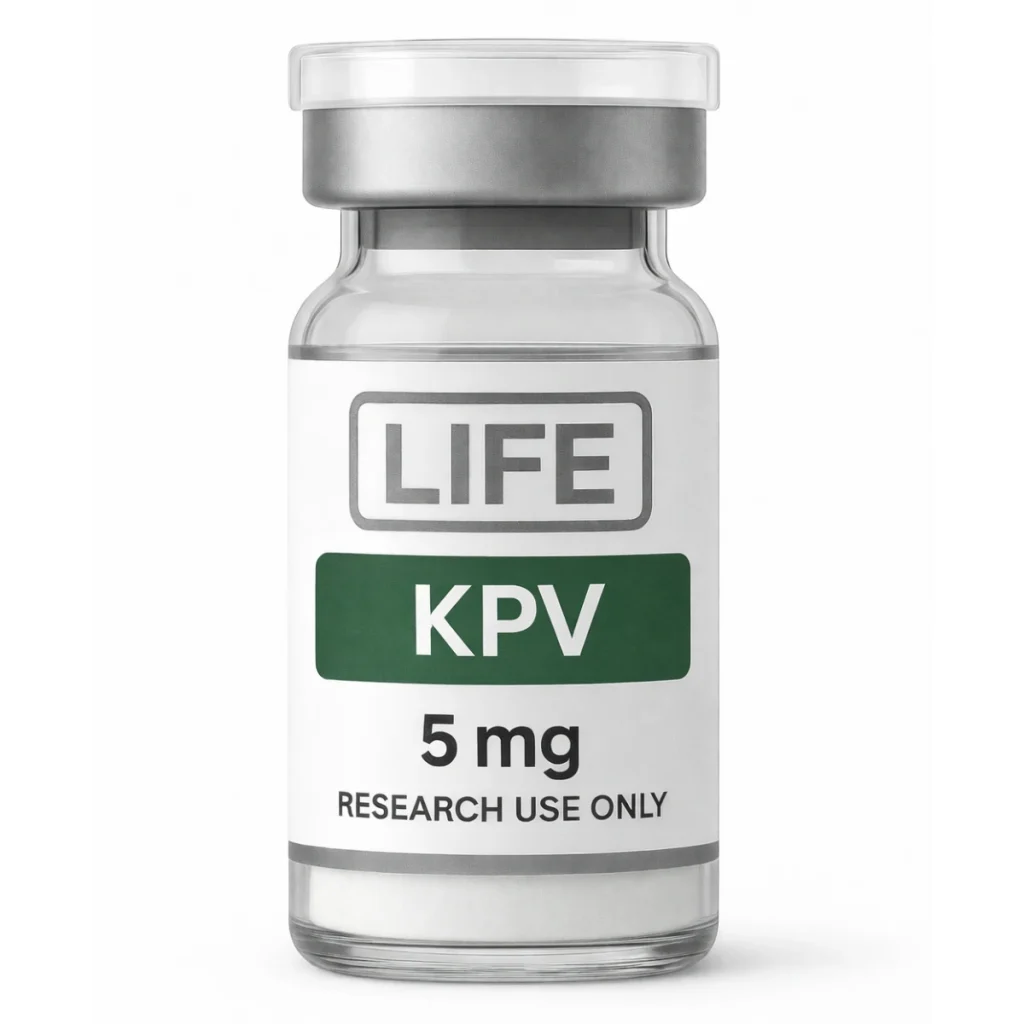
KPV (fragment alfa-MSH) – peptidový fragment modulující zánět
SS-31 – vyšetřován pro funkci mitochondrií a buněčnou produkci energie.
POZNÁMKAToto je pouze pro vzdělávací účely a nepředstavuje lékařskou radu.
Zřeknutí se odpovědnosti
Tento produkt je prodáván pouze pro výzkumné účely. Není určen k diagnostice, léčbě, vyléčení nebo prevenci jakýchkoli onemocnění. Kupující přebírá plnou odpovědnost za řádnou manipulaci a použití.