Descrizione
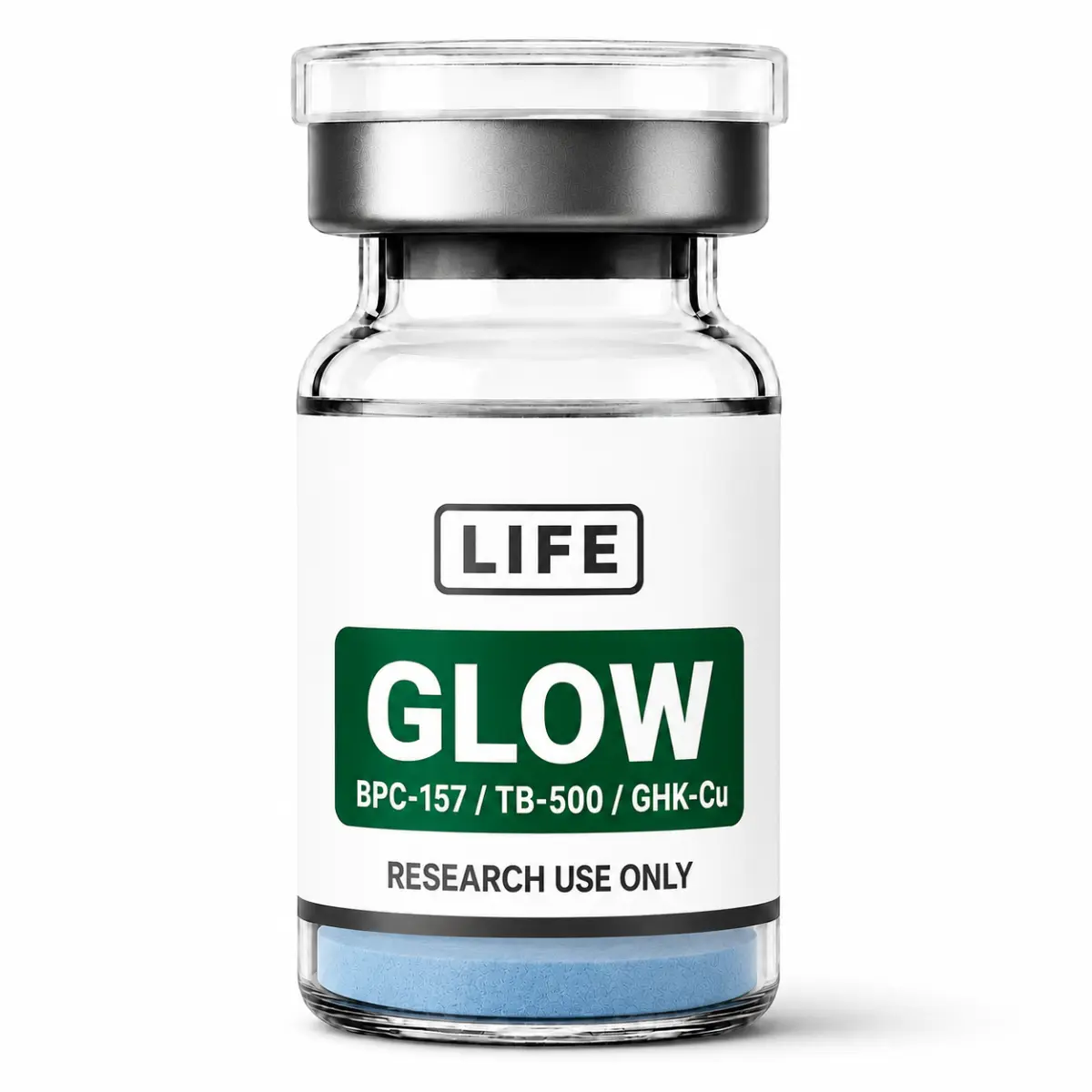
GLOW Blend è una formulazione di ricerca a tre peptidi contenente:
- GHK-Cu – 50 mg
- BPC-157 – 10 mg
- TB-500 (Sequenza Completa Timosina β4) – 10 mg
Piuttosto che rappresentare un nuovo peptide, GLOW combina tre composti di ricerca rigenerativa consolidati in un'unica formulazione. Ciascun componente ha un ampio profilo di ricerca indipendente che copre diversi aspetti della biologia tissutale, consentendo agli investigatori di esplorare molteplici percorsi rigenerativi all'interno di una miscela sperimentale.
Vuoi acquistare GLOW in Europa? Life Peptide fornisce GLOW ad alta purezza per la ricerca di laboratorio, con spedizioni affidabili in tutta l'Unione Europea.
Perché GLOW è importante nella ricerca rigenerativa
Riparazione tissutale comporta un interazione complessa tra rimodellamento della matrice extracellulare, migrazione cellulare, angiogenesi e organizzazione del tessuto connettivo. Per questo motivo, la ricerca rigenerativa esamina spesso molteplici vie biologiche piuttosto che un singolo meccanismo di segnalazione.
GLOW combina tre dei peptidi più ampiamente riconosciuti nella ricerca rigenerativa:
- GHK-Cu – regolazione della matrice extracellulare, biologia del collagene e fisiologia del tessuto connettivo.
- BPC-157 – ricerca su tendini, legamenti, muscoli e gastrointestinale.
- TB-500 - Biologia della timosina β4, migrazione cellulare e rimodellamento tissutale.
Ogni peptide ha un profilo di ricerca distinto, rendendo GLOW una formulazione pratica per i laboratori interessati a meccanismi rigenerativi complementari piuttosto che un singolo bersaglio molecolare.
I tre componenti di GLOW
GHK-Cu (50 mg)
Un tripeptide endogeno che lega il rame, ampiamente studiato nella biologia della matrice extracellulare, nella regolazione del collagene, nella fisiologia della pelle e nel rimodellamento del tessuto connettivo.
BPC-157 (10 mg)
Un pentadecapeptide gastrico stabile ampiamente studiato nella ricerca su tendini, legamenti, muscoli, angiogenesi e tratto gastrointestinale.
TB-500 (10 mg)
Una peptide Timsina β4 a sequenza completa studiata nella migrazione cellulare, nella dinamica dell'actina, nell'angiogenesi e nella riparazione tissutale.
Insieme questi tre peptidi rappresentano aree complementari della biologia rigenerativa, pur mantenendo i propri retroscena di ricerca indipendenti.
Perché GLOW è ampiamente studiato nella ricerca sulla riparazione dei tessuti
I componenti individuali di GLOW sono stati ciascuno indagati in ricerche pubblicate che coinvolgono:
- biologia del tendine e del legamento
- riparazione del tessuto connettivo
- ricerca sul muscolo scheletrico
- guarigione delle ferite
- angiogenesi
- rimodellamento della matrice extracellulare
- fisiologia cutanea
- ricerca muscoloscheletrica
Poiché queste aree di ricerca si sovrappongono frequentemente, la combinazione di GHK-Cu, BPC-157 e TB-500 in un'unica formulazione è diventata sempre più comune nei flussi di lavoro di ricerca di laboratorio. Tuttavia, le prove pubblicate si riferiscono principalmente ai singoli componenti peptidici e non dovrebbero essere interpretate come dimostrazione di risultati equivalenti per la miscela combinata.
Come GLOW differisce da KLOW
Sebbene entrambe le formulazioni siano costruite sulla stessa base rigenerativa, hanno diverse enfasi di ricerca.
Miscela GLOW
- GHK-Cu – 50 mg
- BPC-157 – 10 mg
- TB-500 – 10 mg
Focus principale:
- biologia del tessuto connettivo
- rimodellamento della matrice extracellulare
- ricerca muscoloscheletrica
- segnalazione rigenerativa
Contiene gli stessi tre peptidi più KPV (10 mg).
L'aggiunta di KPV estende l'ambito della ricerca a includere percorsi infiammatori e immuno-correlati, rendendo KLOW una formulazione più ampia per i laboratori che studiano sia la biologia rigenerativa che quella correlata all'infiammazione.
Ricerca umana e preclinica
Attualmente non esistono studi clinici dedicati che valutino GLOW come formulazione a tre peptidi.
Invece, la logica scientifica alla base di GLOW si basa sull'ampia letteratura pubblicata che descrive ciascuno dei suoi componenti individuali:
- GHK-Cu nel tessuto connettivo e nella biologia della matrice extracellulare.
- BPC-157 nella ricerca gastrointestinale e muscoloscheletrica.
- Timosina β4/TB-500 nella migrazione cellulare e rimodellamento tissutale.
I ricercatori dovrebbero quindi interpretare i risultati in base alle prove disponibili per ciascun peptide piuttosto che presumere effetti additivi o sinergici per la miscela stessa.
Considerazioni sulla sicurezza pubblicate
Le informazioni sulla sicurezza pubblicate per GLOW derivano dalla letteratura disponibile sui suoi singoli componenti peptidici piuttosto che da studi sulla formulazione combinata.
Di conseguenza, le osservazioni riportate per GHK-Cu, BPC-157 o TB-500 dovrebbero essere considerate indipendentemente, pur riconoscendo che la miscela completa non è stata valutata in studi clinici dedicati.
Caratteristiche del prodotto
Applicazione: ricerca di laboratorio e analitica
Uso limitato: non per il consumo umano; non per uso medico, veterinario o cosmetico
Prodotto in stabilimenti conformi alle GMP secondo rigidi protocolli di controllo qualità.
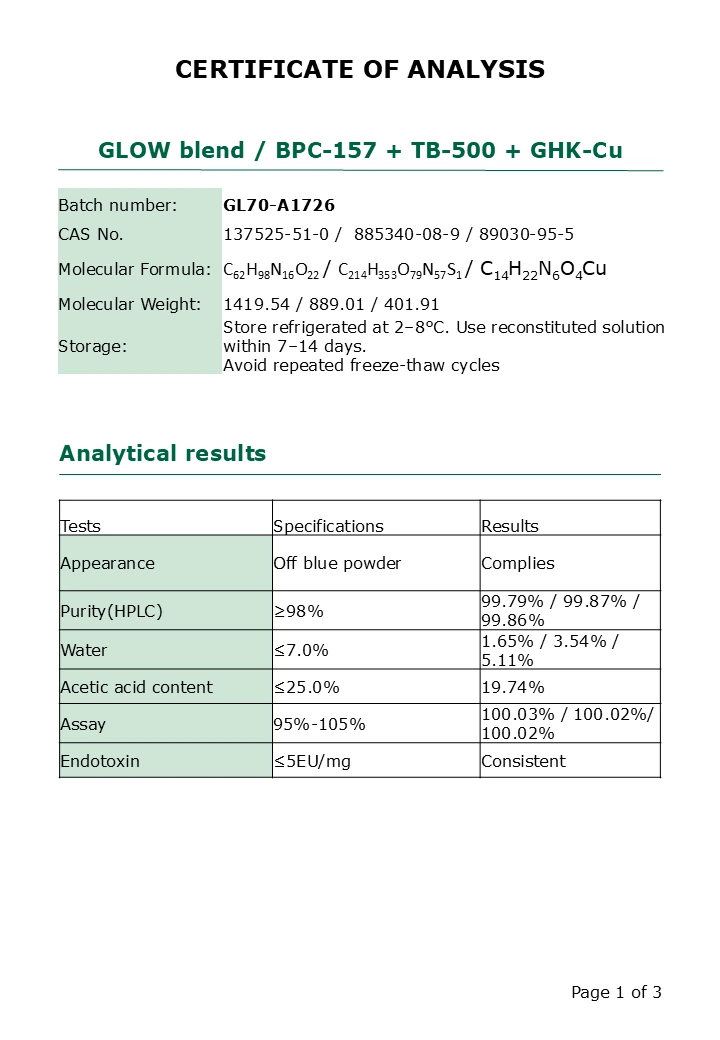
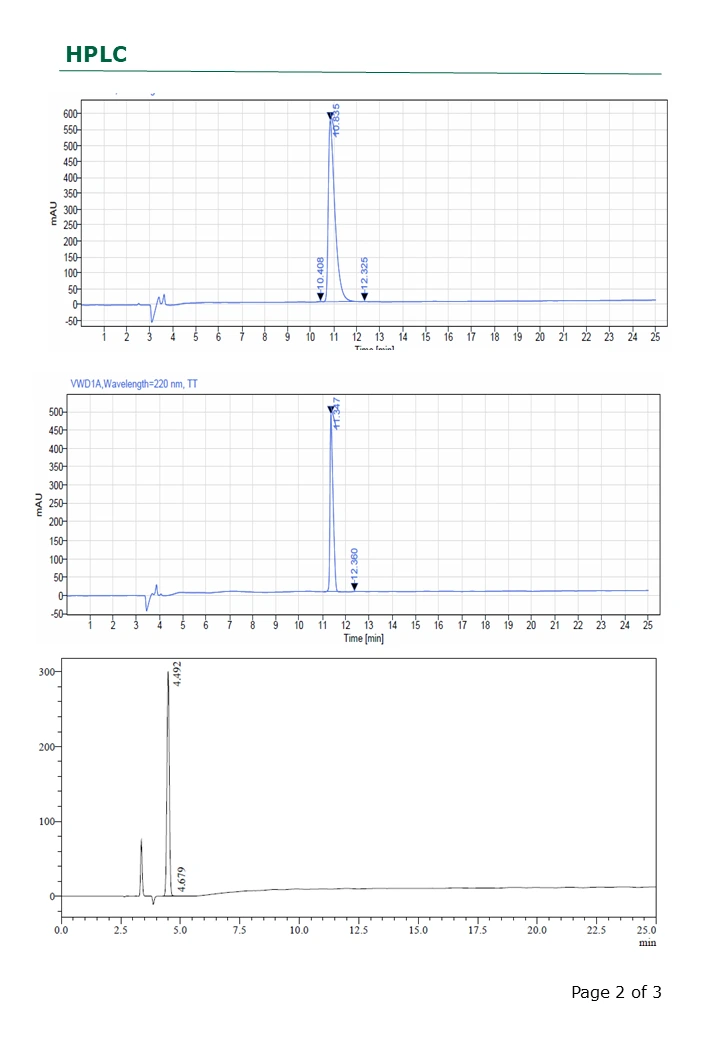
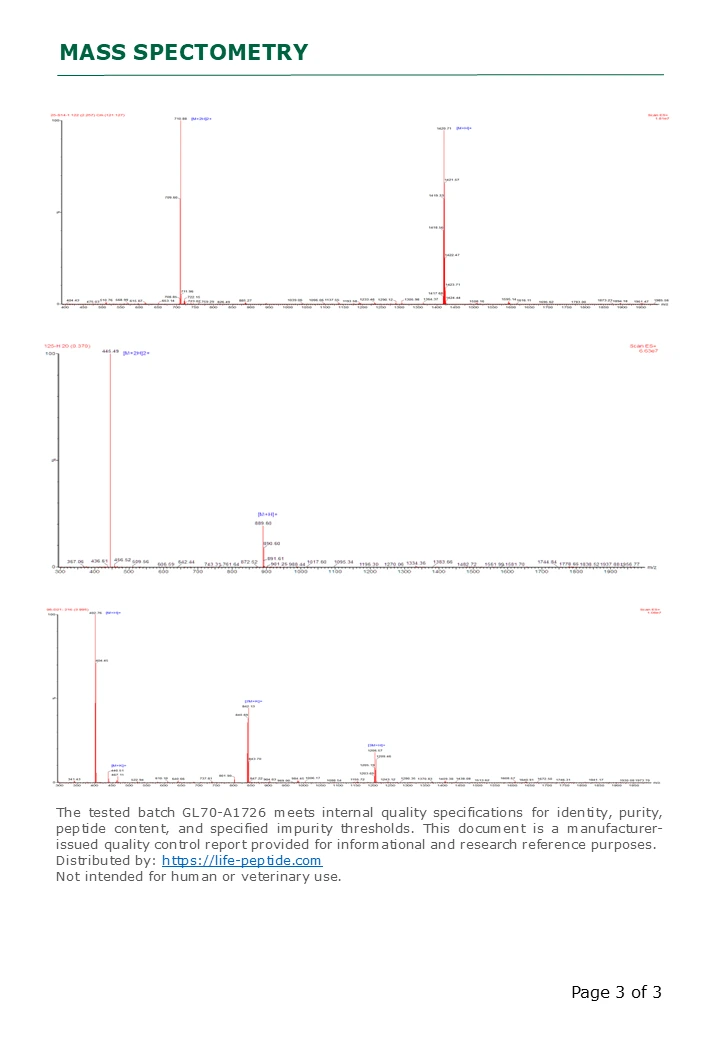
Ogni lotto viene accuratamente testato in laboratorio dopo la produzione (puoi trovare il Certificato di Analisi sotto le immagini del prodotto).
Liofilizzato (liofilizzato) per la massima stabilità e una lunga durata di conservazione.
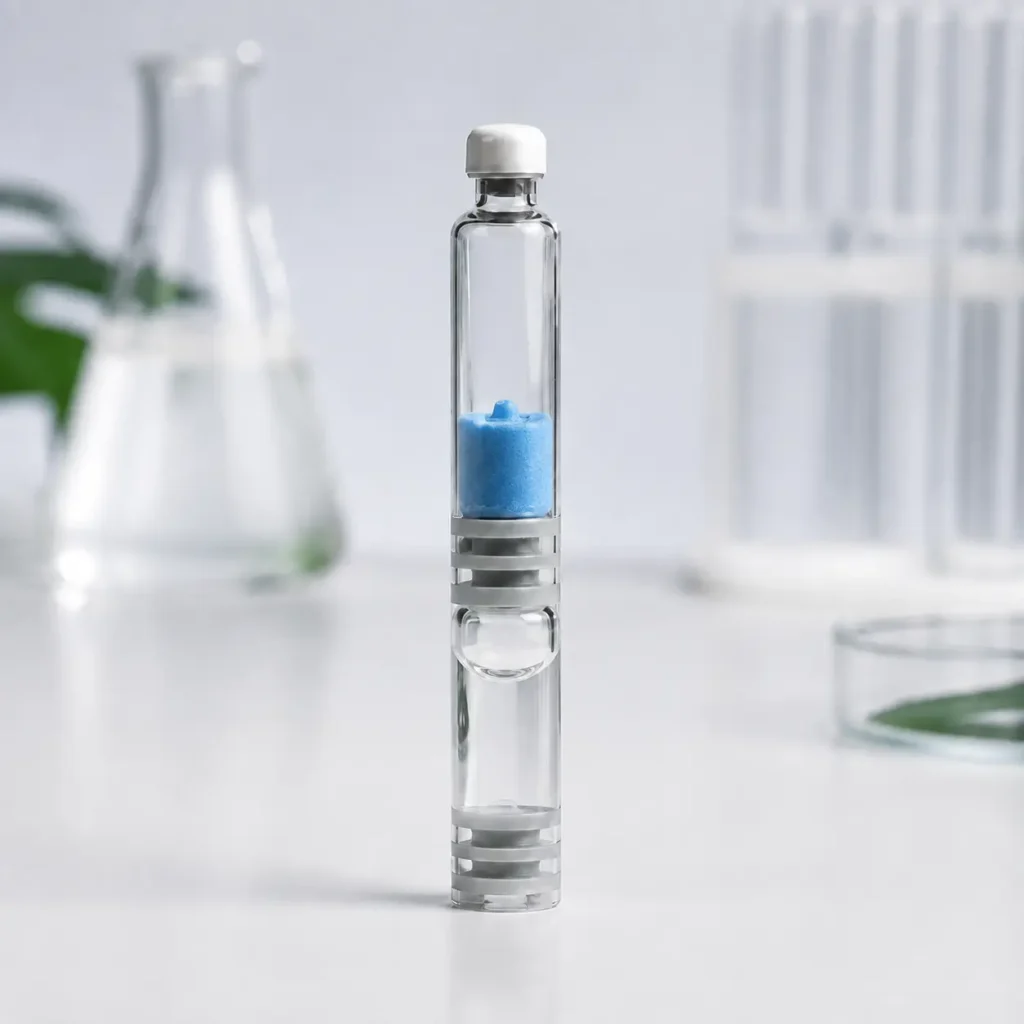
Sigillato in fiale sterili, pronto per la ricostituzione.
Purezza: ≥ 98% (HPLC)
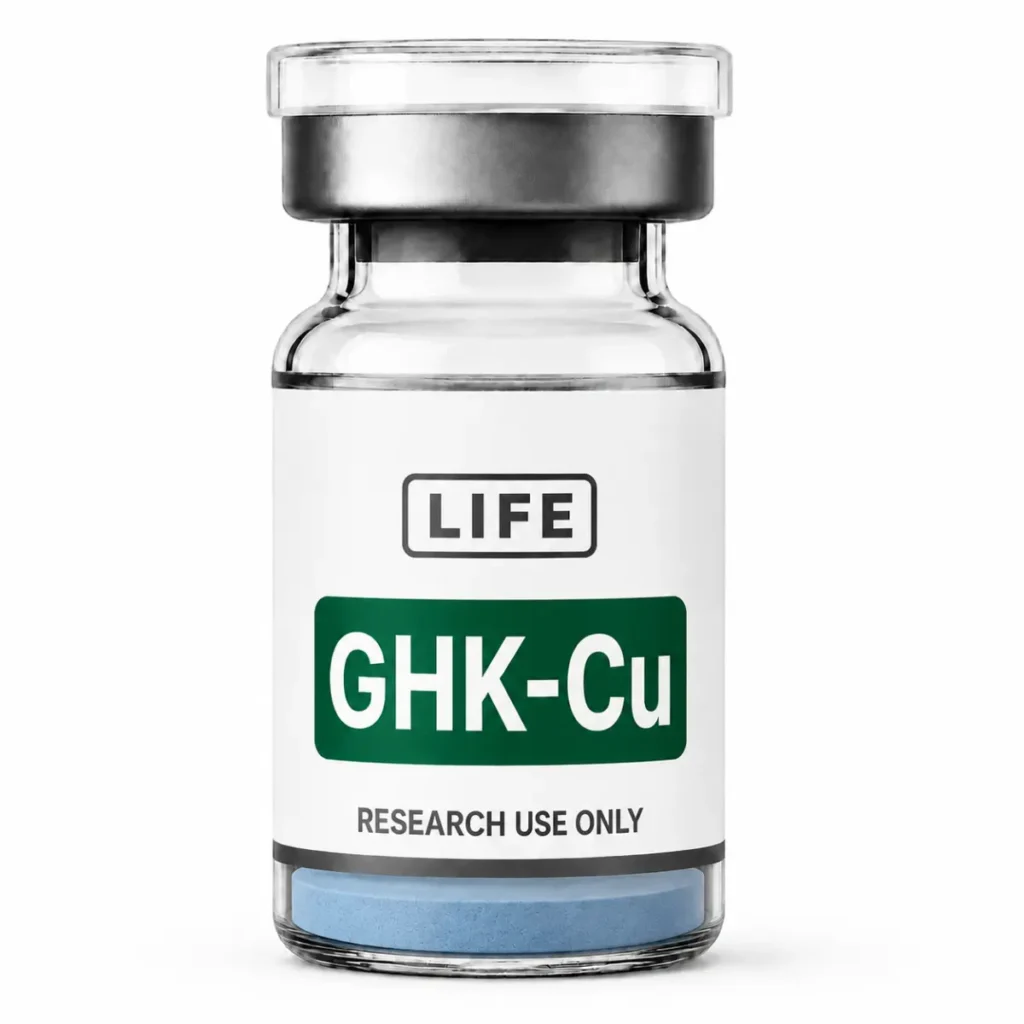
Aspetto: polvere liofilizzata di colore azzurro chiaro (dovuto al contenuto di GHK-Cu)
Composizione: 50 mg GHK-Cu + 10 mg BPC-157 + 10 mg Tb4 per flaconcino
Formula molecolare (GHK-Cu): C14H22CuN6O4
Formula molecolare (BPC-157): C62H98N16O22
Formula molecolare Tmosina Beta-4 (sequenza completa): C214H353O79N57S1
Archiviazioneflaconcini liofilizzati non aperti sono meglio conservati refrigerato a 2–8°C, che è il metodo di conservazione confermato dal nostro partner di produzione e adatto fino a 24 mesi. Si preferisce la refrigerazione perché minimizza inutili cicli di congelamento-scongelamento durante la manipolazione di routine. Se è necessaria una conservazione a termine sostanzialmente più lungo, i flaconcini liofilizzati non aperti possono anche essere conservati congelati. Una volta ricostituita, conservare sempre a 2-8°C e non congelare.
Ricostituzione e manipolazione
KLOW è fornito in fiala liofilizzata e deve essere manipolato secondo le procedure standard di ricostituzione dei peptidi appropriate al contesto di ricerca. Deve essere ricostituito con acqua batteriostatica prima dell'uso. Per aiutare a preservare l'integrità strutturale, aggiungere il solvente scelto lentamente contro la parete interna del flaconcino piuttosto che direttamente sulla polvere del peptide, ed evitare agitazioni vigorose. Il delicato movimento rotatorio è generalmente sufficiente una volta che il peptide si è completamente sciolto. La pratica standard di laboratorio include anche il far raggiungere ai flaconcini refrigerati la temperatura ambiente prima della ricostituzione per minimizzare la condensa all'interno del flaconcino.
Per altre indicazioni sulla scelta del solvente, sulla pianificazione della concentrazione e sullo stoccaggio, consultare il pieno Guida alla Ricostituzione dei Peptidi e Calcolatore di Ricostituzione.
Studi chiave pubblicati
- Pickart L, Margolina A. Azioni rigenerative e protettive del peptide GHK-Cu alla luce dei nuovi dati genetici. International Journal of Molecular Sciences, 2018.
Una recensione completa che descrive il ruolo del GHK-Cu nella biologia della matrice extracellulare, nella regolazione del collagene e nella segnalazione rigenerativa.
- Sikiric P, Seiwerth S, Rucman R, et al. Peptide Gastrico Stabile Pentadecapeptide BPC 157: Nuova Terapia nel Tratto Gastrointestinale. Current Pharmaceutical Design, 2011.
La revisione fondamentale che riassume la ricerca sul BPC-157 in biologia gastrointestinale, dell'angiogenesi e rigenerativa.
- Goldstein AL, Kleinman HK. Timotina β4: Struttura, Funzione e Proprietà Biologiche a Supporto di Applicazioni Cliniche Attuali e Future. Annals of the New York Academy of Sciences, 2010.
La revisione di riferimento che copre la biologia della timosina β4, la migrazione cellulare, l'angiogenesi e il rimodellamento tissutale.
Domande Frequenti
Cos'è GLOW Blend?
GLOW Blend è una formulazione di ricerca che combina GHK-Cu (50 mg), BPC-157 (10 mg) e TB-500 (10 mg) in un'unica fiala liofilizzata. Ogni peptide è stato studiato in modo indipendente in ricerche pubblicate per diversi aspetti della biologia rigenerativa, tra cui il rimodellamento del tessuto connettivo, l'angiogenesi e la ricerca muscoloscheletrica.
Quali peptidi sono inclusi in GLOW?
Ogni fiala contiene:
- GHK-Cu – 50 mg
- BPC-157 – 10 mg
- TB-500 (Sequenza Completa Timosina β4) – 10 mg
Insieme questi peptidi rappresentano aree complementari della ricerca rigenerativa, dalla biologia della matrice extracellulare e dalla fisiologia del tessuto connettivo alla migrazione cellulare e alla riparazione dei tessuti molli.
Perché GHK-Cu, BPC-157 e TB-500 sono combinati?
Ogni peptide ha un diverso focus di ricerca. GHK-Cu è ampiamente studiato nella biologia del collagene e nel rimodellamento del tessuto connettivo, BPC-157 nella ricerca su tendini, legamenti e gastrointestinale, e TB-500 nella migrazione cellulare e nel rimodellamento dei tessuti. La loro combinazione consente ai ricercatori di indagare percorsi rigenerativi multipli all'interno di una singola formulazione sperimentale. Le prove pubblicate attualmente si riferiscono ai singoli peptidi, non alla miscela stessa.
Quali aree di ricerca studiano comunemente GLOW Blend?
Sulla base della letteratura pubblicata per i suoi singoli componenti, GLOW è rilevante per la ricerca che coinvolge la riparazione tissutale, la biologia di tendini e legamenti, il rimodellamento del tessuto connettivo, l'angiogenesi, la ricerca muscoloscheletrica, la guarigione delle ferite e la regolazione della matrice extracellulare.
Come differisce GLOW da KLOW?
GLOW combina GHK-Cu, BPC-157 e TB-500. KLOW contiene gli stessi tre peptidi ma include anche KPV, estendendo l'ambito della ricerca ai percorsi infiammatori e immunorelati. GLOW si concentra quindi principalmente sulla biologia rigenerativa, mentre KLOW aggiunge una componente aggiuntiva focalizzata sull'infiammazione.
La ricerca sui singoli peptidi può essere applicata direttamente a GLOW Blend?
Non necessariamente. GHK-Cu, BPC-157 e TB-500 hanno ciascuno una sostanziale letteratura di ricerca indipendente, ma attualmente non ci sono studi clinici pubblicati su larga scala che valutano la formulazione combinata GLOW. La base scientifica per la miscela si basa sulla biologia complementare dei suoi componenti individuali piuttosto che su prove dirette per la miscela stessa.
Posso comprare GLOW in Europa?
Sì. Spediamo GLOW nella maggior parte dei paesi europei utilizzando servizi di corriere affidabili. I metodi di spedizione disponibili e i tempi di consegna vengono mostrati durante il checkout in base alla tua destinazione.
Questo prodotto è destinato all'uso umano?
No. Il prodotto GLOW Blend fornito da Life Peptide è destinato esclusivamente alla ricerca di laboratorio e analitica. Non è destinato al consumo umano, né alla diagnosi, al trattamento o alla prevenzione di malattie. Qualsiasi riferimento a studi pubblicati riassume la letteratura scientifica relativa ai singoli componenti peptidici, piuttosto che all’uso previsto della formulazione combinata.
Contesto di ricerca correlato
GLOW appartiene al Ricerca sui peptidi per la guarigione e il recupero, combinando composti studiati frequentemente per vie di segnalazione rigenerative complementari.
I ricercatori che esplorano i modelli di recupero multipath possono anche esaminare:
BPC-157 — segnalazione tissutale e ricerca sull'angiogenesi
Timosina β4 (TB-500) — migrazione e segnalazione citoscheletrica
GHK-Cu — peptide di rame e vie di rimodellamento extracellulare
Wolverine (BPC-157 + TB-500) — miscela di recupero a doppio percorso
Cerchi ulteriori indagini sui percorsi legati all'infiammazione? Vedi KLOW Blend.
Per un contesto più ampio, vedi Guida alla ricerca sulla guarigione e il recupero.
NOTA: Questo è solo a scopo didattico e non costituisce parere medico.
Disclaimer
Questo prodotto è venduto esclusivamente a scopo di ricerca. Non è destinato a diagnosticare, trattare, curare o prevenire alcuna malattia. L'acquirente si assume la piena responsabilità per la corretta manipolazione e utilizzo.