
Description
Dual-pathway recovery peptide blend
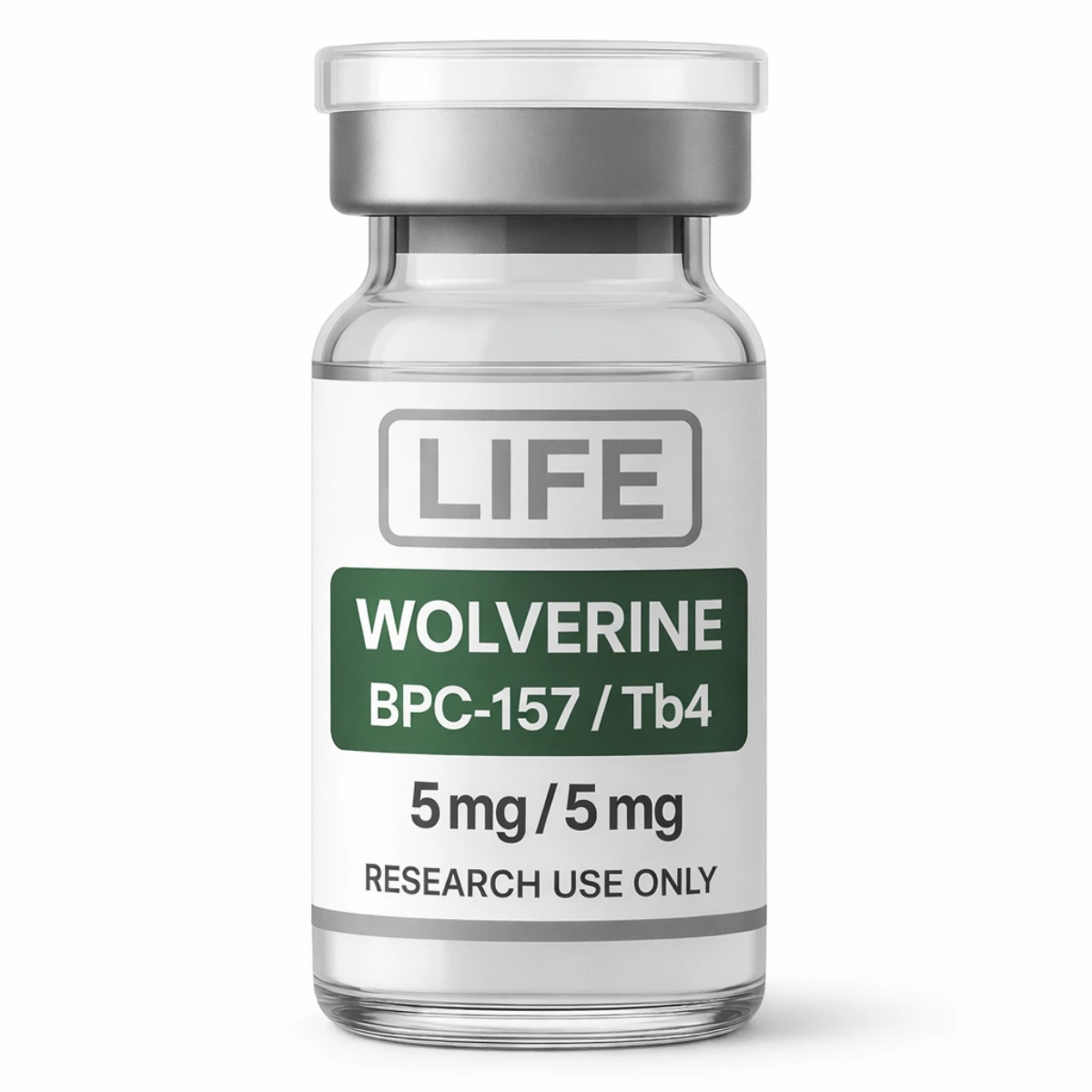
WOLVERINE combines BPC-157 and full-length Thymosin Beta-4 (TB-500) in a dual-peptide blend designed for research involving tissue signaling, cellular migration, and recovery-related pathways. The combination brings together two of the most widely studied compounds in the healing & recovery peptide category.
Rather than targeting a single signaling mechanism, WOLVERINE is investigated for complementary peptide interactions across connective tissue, angiogenesis-related pathways, cytoskeletal dynamics, and peptide-mediated recovery models. BPC-157 is commonly researched for tissue signaling and vascular response mechanisms, while Tb4 is studied for cellular migration and actin-regulation pathways involved in tissue remodeling processes.
Researchers frequently examine this combination in experimental models involving tendon, muscle, ligament, and soft tissue response dynamics. Compared to single-compound recovery peptides, WOLVERINE represents a broader dual-pathway regenerative research model.
Contains full-length Thymosin Beta-4 (43 amino acids), not truncated fragment variants known as TB-500. Full-length TB4 (43 amino acids) is structurally distinct from shorter fragments and is studied for its role in actin regulation and cellular repair mechanisms. When combined with BPC-157, the blend represents a comprehensive regenerative research model frequently explored in experimental recovery studies.
Research applications (investigational)
WOLVERINE has been investigated in preclinical and experimental settings for its involvement in:
- Tissue signaling and peptide-mediated recovery pathways
- Cellular migration and cytoskeletal dynamics
- Angiogenesis and vascular response mechanisms
- Tendon, ligament, and muscle recovery research
- Connective tissue and extracellular remodeling models
- Inflammatory signaling pathway interaction
- Multi-peptide regenerative pathway analysis
These areas reflect ongoing scientific investigation into peptide-mediated tissue response mechanisms rather than established applications.
Product characteristics
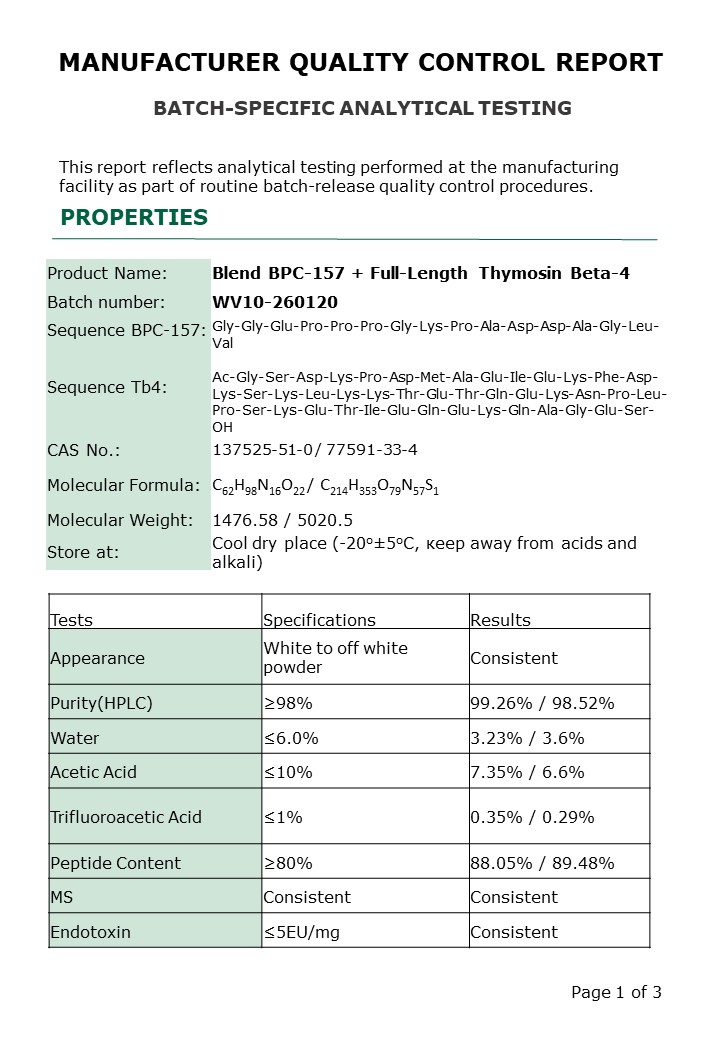
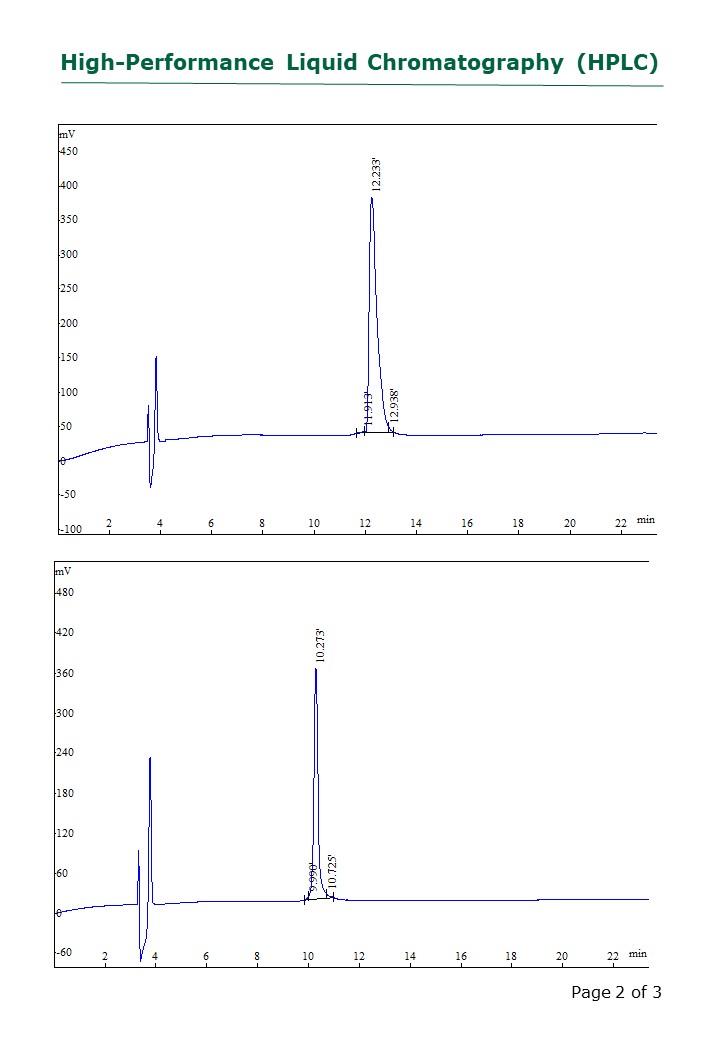
Purity: ≥ 99% (HPLC)
Appearance: white lyophilized powder
Composition: 5 mg BPC-157 + 5 mg Thymosin Beta-4 (full sequence)
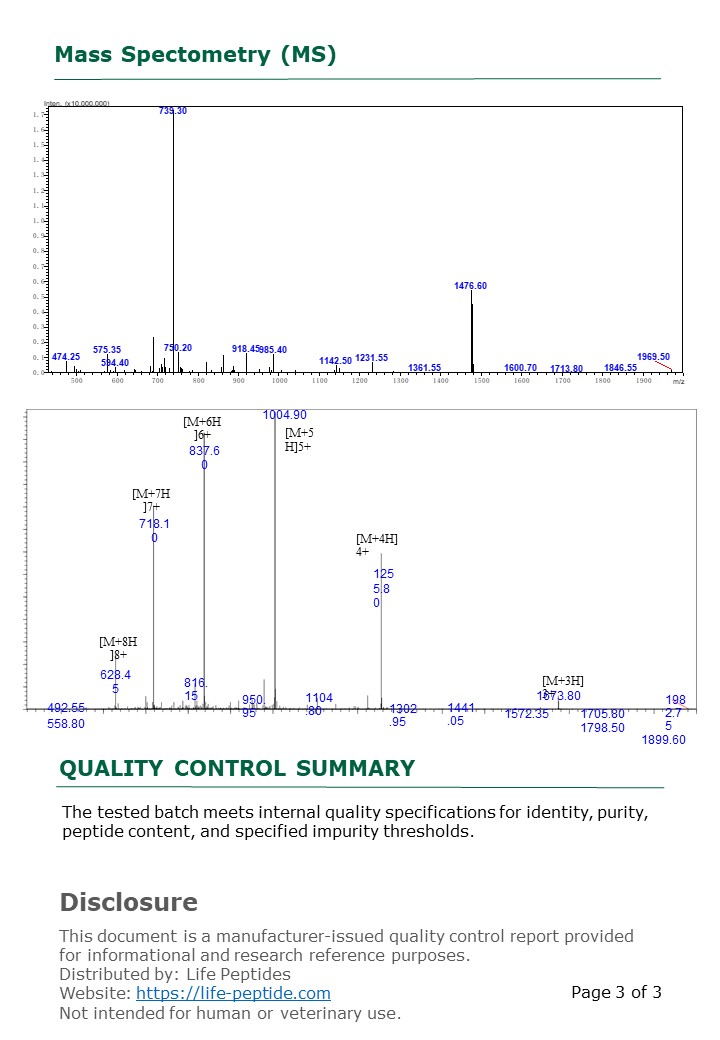
Molecular formula BPC-157: C62H98N16O22
Molecular formula Thymosin Beta-4 (full sequence): C214H353O79N57S1
Storage: store lyophilized powder at -20°C, protect from light and moisture. Reconstituted solution should be kept at 2–8°C and used within a short period.
Why choose our Wolverine blend
High-purity research-grade peptide components.
Produced in GMP-compliant facilities under strict QC protocols.
Each batch carefully lab tested after production (you can find Certificate of Analysis under product pictures). Each peptide component is individually batch-tested prior to blending.
Freeze-dried (lyophilized) for maximum stability and extended shelf life.
Sealed in sterile vials, ready for reconstitution.
Reconstitution: reconstitute gently with bacteriostatic water. Multi-peptide blends may require slow swirling and additional time for complete dissolution.
Selected research references
BPC-157
- Sikiric P et al. Stable gastric pentadecapeptide BPC 157 in wound healing and tissue research. Current Pharmaceutical Design, 2010.
- Vukojević J et al. BPC 157 and nitric oxide system interactions. Nitric Oxide, 2018.
TB-500 / Thymosin β4
- Goldstein AL et al. Thymosin β4 and tissue repair mechanisms. Annals of the New York Academy of Sciences, 2007.
- Malinda KM et al. Thymosin beta4 accelerates wound healing. Journal of Investigative Dermatology, 1999.
Related research context
WOLVERINE belongs to the Healing & recovery peptide research category, combining two complementary compounds commonly investigated for tissue-response and regenerative signaling pathways.
Researchers exploring broader recovery models may also examine:
BPC-157 — tissue signaling and angiogenesis research
TB-500 (Thymosin β4) — migration and cytoskeletal pathway research
GHK-Cu — extracellular remodeling and skin-related peptide signaling
GLOW — multi-pathway blend combining GHK-Cu, BPC-157, and TB-500
For broader context, see the Healing & recovery research guide.
NOTE: This is for educational reference only and does not constitute medical advice.
Disclaimer
This product is sold for research purposes only. It is not intended to diagnose, treat, cure, or prevent any disease. Buyer assumes full responsibility for proper handling and use.


Reviews
There are no reviews yet.