Popis
Tirzepatid 10 mg in Europe | Chcete si v Evropě koupit tirzepatid? Společnost Life Peptide dodává tirzepatid vysoké čistoty pro laboratorní výzkum a zajišťuje spolehlivou dopravu po celé EU.
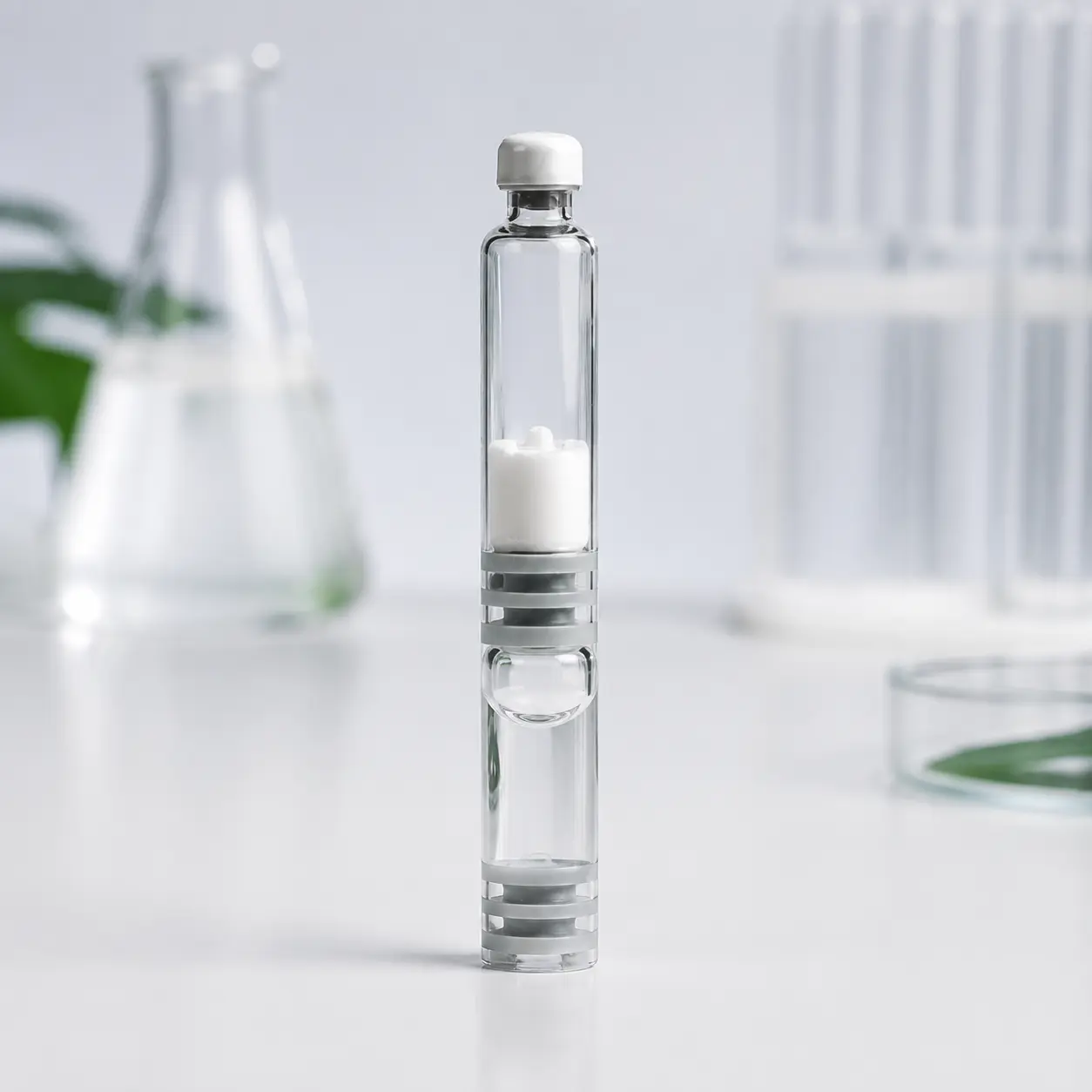
Available in two formats
Choose between a conventional lyophilized vial and a dual-chamber cartridge.
The cartridge keeps Tirzepatide and its diluent in separate chambers until activation. This avoids transporting the peptide as a premixed solution and simplifies laboratory preparation by removing the separate liquid-transfer step. Final dual-chamber cartridge concentration: 10 mg in 1 mL. A compatible reusable device is required.
Tirzepatide je duální inkretinový agonista ve výzkumné kvalitě dodávaný v lyofilizované formě pro laboratorní použití. Působí na oba receptory GLP-1 a GIP a stal se ústřední referenční sloučeninou v metabolickém výzkumu, zejména v modelech regulace chuti k jídlu, změna tělesné hmotnosti, glykemická kontrola a inkretinová signalizace.
Tirzepatid patří do novější třídy zkoumaných metabolických peptidů určených k vazbě více než jedna inkretinová dráha současně, namísto zaměření se pouze na GLP-1. Tento duální receptorový profil ho činí obzvláště relevantním ve výzkumu zaměřeném na obezitu, glukózovou homeostázu, inzulínovou signalizaci, energetickou rovnováhu a metabolická terapeutika nové generace. Tirzepatid je dodáván jako lyofilizovaná lahvička pouze pro laboratorní a analytické použití.
Co je Tirzepatid?
Tirzepatid je zkoumaný agonista dvojitého inkretinového receptoru navržený k aktivaci dvou klíčových receptorových systémů zapojených do regulace metabolismu:
- GLP-1 receptor
- GIP receptor
Tento receptorový profil řadí Tirzepatid mezi Semaglutid a Retatrutid v mechanistické šíři. Semaglutid cílí primárně pouze na GLP-1, zatímco Retatrutid přesahuje GLP-1/GIP do agonismus glukagonového receptoru. Tirzepatid zaujímá střední postavení: širší než klasické analogy GLP-1, ale selektivnější než trojité agonisty.
Díky tomuto postavení se Tirzepatid stal jednou z nejdůležitějších referenčních sloučenin v současném metabolickém výzkumu. Je široce používán jako srovnávací bod ve studiích zkoumajících strategie využívající jeden, dva nebo tři typy incretinových receptorů. Lilly a recenzovaná klinická literatura konzistentně popisují Tirzepatid jako jednou týdně duální GIP/GLP-1 receptorový agonista se silnými účinky na výsledky glykémie a tělesné hmotnosti v klinických studiích u lidí.
Proč je tirzepatid důležitý v metabolickém výzkumu
Tirzepatid je důležitý, protože kombinuje signalizaci GLP-1 s aktivitou GIP receptoru, čímž vytváří širší inkretinový profil než samotní agonisté GLP-1, přičemž zůstává více zaměřený než trojní agonisté, jako je Retatrutid.
V literatuře byl tirzepatid studován v souvislosti s:
- regulace tělesné hmotnosti a signalizace chuti k jídlu
- metabolismus glukózy a glykemické markery
- inzulinová signalizace a zpracování živin
- energetická rovnováha a systémová metabolická regulace
- srovnávací inkretinový výzkum u modelů GLP-1, duálních agonistů a trojitých agonistů
Pro výzkumníky, kteří vytvářejí panel metabolických peptidů, Tirzepatid často slouží jako centrální srovnávací molekula mezi Semaglutidem a Retatrutidem. Je to jeden z nejjasnějších příkladů toho, jak rozšíření z jednocestného agonistu GLP-1 na duální inkretinový agonista může změnit zkoumaný metabolický profil. Vaše současná stránka již směřuje tímto směrem; rozdíl spočívá v tom, že logiku srovnání a vyhledávací plochu činíme mnohem explicitnější.
Jak funguje Tirzepatid
Tirzepatid je navržen tak, aby aktivoval dva receptorové systémy zapojené do metabolické regulace.
Aktivita GLP-1 receptoru
Signalizace GLP-1 je spojena se snížením chuti k jídlu, opožděným vyprazdňováním žaludku a podporou inzulínu závislou na glukóze. To je dráha, kterou většina výzkumníků již zná z látek, jako je semaglutid.
Aktivita GIP receptoru
Signálování GIP je považováno za vliv na sekreci inzulínu, zpracování živin, metabolismus tukové tkáně a celkovou inkretinovou odpověď na příjem potravy. Ve výzkumu duálních agonistů je aktivita GIP jedním z hlavních důvodů, proč je Tirzepatid mechanisticky širší než sloučeniny pouze s GLP-1.
Duální inkretinový profil
Kombinace aktivity GLP-1 a GIP dává Tirzepatidu odlišný metabolický profil od Semaglutidu i Retatrutidu. Ve srovnání se Semaglutidem rozšiřuje rozsah signalizace nad rámec samotného GLP-1. Ve srovnání s Retatrutidem zůstává selektivnější, protože nezahrnuje agonismus glukagonového receptoru.
Díky tomu je Tirzepatid obzvláště užitečný ve výzkumu zaměřeném na:
- GLP-1 vs duální agonisté – porovnání
- tělesná hmotnost a výsledky chuti k jídlu
- homeostáza glukózy a dynamika inzulinu
- přechod od jednocestné k vícecestné inkretinové modulaci
Publikované klinické nálezy na tirzepatid
Tirzepatid se stal jedním z nejvíce sledovaných metabolických peptidů, protože publikované studie na lidech hlásí významné účinky na tělesnou hmotnost, glykemickou kontrolu a širší kardiometabolické ukazatele. V klinické studii SURMOUNT-1 publikované v New England Journal of Medicine, jednou týdně podávaný tirzepatid vyvolal dávkově závislé snížení tělesné hmotnosti více než 72 týdnů u dospělých s obezitou nebo nadváhou, přičemž rameno s nejvyšší dávkou vykazovalo některé z nejsilnějších výsledků hubnutí hlášených v té době u terapie založené na inkretinech.
Tirzepatid také prokázal silné glykemické účinky ve výzkumu diabetu 2. typu. Ve studii SURPASS-2 byl tirzepatid přímo porovnán s jednou týdenní dávkou semaglutidu a prokázal větší snížení HbA1c a větší snížení hmotnosti napříč zkoumanými dávkovacími rameny. Další studie SURPASS dále etablovaly tirzepatid jako jednoho z klíčových duálních agonistů v současné metabolické literatuře. Vaše současná stránka již cituje nejdůležitější studie – SURMOUNT-1, SURPASS-2 a související práce o diabetu – což je pro tuto sekci naprosto správný důkazní základ.
Tyto studie dohromady jsou hlavním důvodem, proč je tirzepatid tak často používán jako referenční bod v moderním výzkumu obezity a diabetu. Nachází se v centru srovnání mezi Agonisté GLP-1, duální agonisté GLP-1/GIP a novější trojitý agonista přístupy.
| Studie | Populace | Doba trvání | Hlavní publikované výsledky |
|---|---|---|---|
| SURMOUNT-1 | Dospělí s obezitou nebo nadváhou bez diabetu | 72 týdnů | Průměrná změna tělesné hmotnosti byla −15,01 TP3T, −19,51 TP3T a −20,91 TP3T s dávkami 5, 10 a 15 mg tirzepatidu, zatímco u placeba to bylo −3,11 TP3T. |
| SURPASS-2 | Dospělí s diabetes 2. typu | 40 týdnů | HbA1c klesl o −2,01%, −2,24% a −2,30% u tirzepatidu v dávkách 5, 10 a 15 mg oproti −1,86% u semaglutidu v dávce 1 mg. Tirzepatid rovněž vedl k většímu průměrnému snížení tělesné hmotnosti ve všech třech dávkových skupinách. |
| SURPASS-3 | Dospělí s diabetes mellitus 2. typu nedostatečně pod kontrolou perorální terapií | 52 týdnů | Tirzepatid vedl k výraznějšímu snížení hodnot HbA1c a tělesné hmotnosti než insulin degludec ve všech sledovaných dávkových skupinách. |
| program SURPASS | Dospělí s diabetem 2. typu v mnoha klinických studiích fáze 3 | 40–104 týdnů | Širší program prokázal konzistentní účinky na glykemickou kontrolu a tělesnou hmotnost závislé na dávce napříč různými srovnávacími léčbami a populacemi pacientů. |
DůležitéVýsledky zobrazené výše shrnují publikované klinické studie farmaceutického přípravku Tirzepatid a jsou poskytnuty pouze jako výzkumný kontext. Neměly by být interpretovány jako očekávané výsledky tohoto výzkumného produktu.
Publikované výsledky týkající se bezpečnosti a snášenlivosti
Publikované klinické studie o tirzepatidu naznačují, že nejčastěji hlášenými nežádoucími účinky jsou gastrointestinální, zejména nevolnost, průjem, snížená chuť k jídlu, zvracení a zácpa. Stejně jako u jiných inkretinových přípravků byly tyto příhody obecně častější než u placeba a byly často dávkově závislý, zejména během fáze eskalace dávky léčby.
Napříč hlavními klinickými programy bylo většině gastrointestinálních příhod popsáno jako mírný až střední závažnosti a míra přerušení léčby stále tvořily důležitou součást hodnocení celkového profilu Tirzepatidu. To je jeden z důvodů, proč se publikované výzkumy Tirzepatidu obvykle diskutují nejen z hlediska účinnosti, ale také z hlediska snášenlivost během eskalace, zátěž spojená s gastrointestinálními příhodami a rovnováha mezi metabolickým přínosem a rizikem přerušení léčby.
Tato sekce shrnuje publikované poznatky o zkoumaném a klinickém výzkumu Tirzepatidu, nikoli pokyny nebo očekávání týkající se použití tohoto produktu.
Publikované dávkovací schémy používané ve výzkumu tirzepatidu
Publikované studie o tirzepatidu obecně používaly podávání jednou týdně s postupným zvyšováním dávky místo aby se ihned začínalo na konečné cílové dávce. V hlavních studiích obezity a diabetu byl tirzepatid typicky zkoumán v dávce 5 mg, 10 mg a 15 mg udržovacích dávek, s eskalací z nižší počáteční dávky v průběhu několika týdnů pro zlepšení snášenlivosti. Váš aktuální seznam referencí již odkazuje na klíčové studie, které tuto strukturu zavedly.
Z praktického hlediska je zveřejněný výzkumný plán pro tirzepatid důležitý, protože ukazuje, že Účinnost a snášenlivost byly zkoumány společně. Výzkumníci netestovali jednoduše “jednu dávku Tirzepatidu”; testovali postupné eskalující strategie vedoucí k různým udržovacím dávkám. To je jeden z důvodů, proč Tirzepatid zůstává tak užitečnou srovnávací sloučeninou ve výzkumu metabolických peptidů.
Příklad struktury udržovací dávky běžně používaný v hlavních studiích
| Kontext zveřejněné studie | Počáteční dávkovací přístup v klinické studii | Podstudované dávky pro udržovací léčbu | Frekvence | Doba trvání |
|---|---|---|---|---|
| Klinické studie obezity / diabetu | postupné zvyšování z nižší počáteční dávky | 5 mg | jednou týdně | liší se pokusem |
| Klinické studie obezity / diabetu | postupné zvyšování z nižší počáteční dávky | 10 mg | jednou týdně | liší se pokusem |
| Klinické studie obezity / diabetu | postupné zvyšování z nižší počáteční dávky | 15 mg | jednou týdně | liší se pokusem |
Tyto rozvrhy jsou zahrnuty jako souhrn publikovaného návrhu výzkumu a nejsou pokyny k použití tohoto produktu.
Tirzepatid vs. Semaglutid vs. Retatrutid
Výzkumníci často porovnávají tyto tři sloučeniny, protože se nacházejí na stejném metabolickém spektru, ale nejsou zaměnitelné.
Tirzepatid
- Duální agonistaGLP-1 + GIP
- Centrální benchmark pro výzkum duálních inkretinů
- Často diskutováno v souvislosti s výsledky tělesné hmotnosti, glykemická kontrola a inkretinová signalizace
- Jediný agonistaGLP-1
- Výběrovější a mechanisticky užší
- Společný referenční bod pro Výzkum dráhy GLP-1
- Trojitý agonistaGLP-1 + GIP + glukagon
- Širší profil receptorů než Tirzepatid
- Často diskutováno v souvislosti s redukce hmotnosti, výdej energie a vícekanálová metabolická modulace nové generace
Podrobné srovnání aktivity receptorů, publikovaných klinických zjištění a výzkumných rozdílů si můžete přečíst v našem Porovnání výzkumu retatrutidu a tirzepatidu.
Pro výzkumníky porovnávající třídy inkretinů často Tirzepatid slouží jako střední referenční bod mezi jednocestnými agonisty GLP-1 a širšími trojitými agonisty.
Vlastnosti produktu
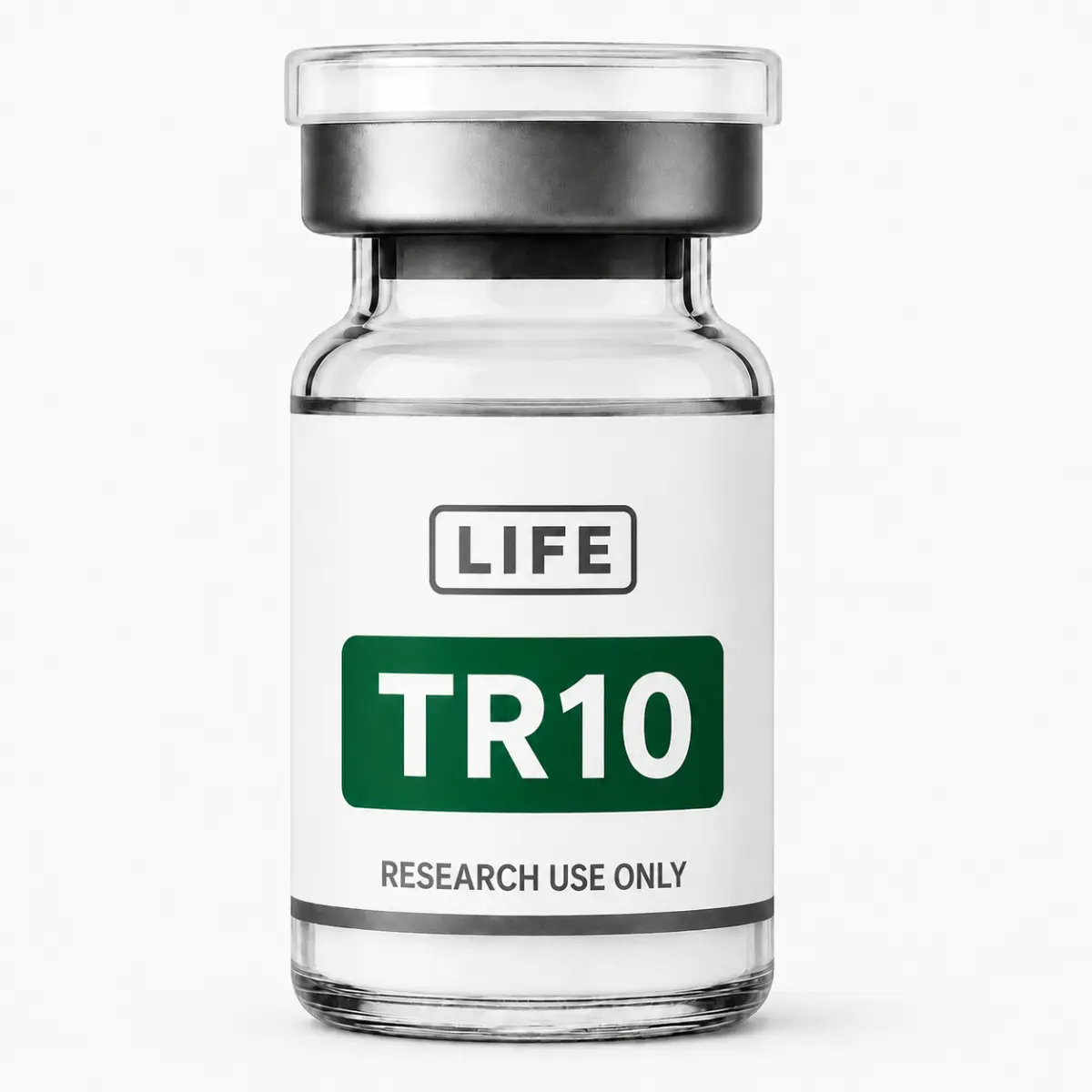
Aplikace: laboratorní a analytický výzkum
Použití omezené: není určeno k lidské spotřebě; pro lékařské, veterinární ani kosmetické použití
Vyrobeno v zařízeních splňujících správnou výrobní praxi (GMP) za přísných protokolů kontroly kvality.
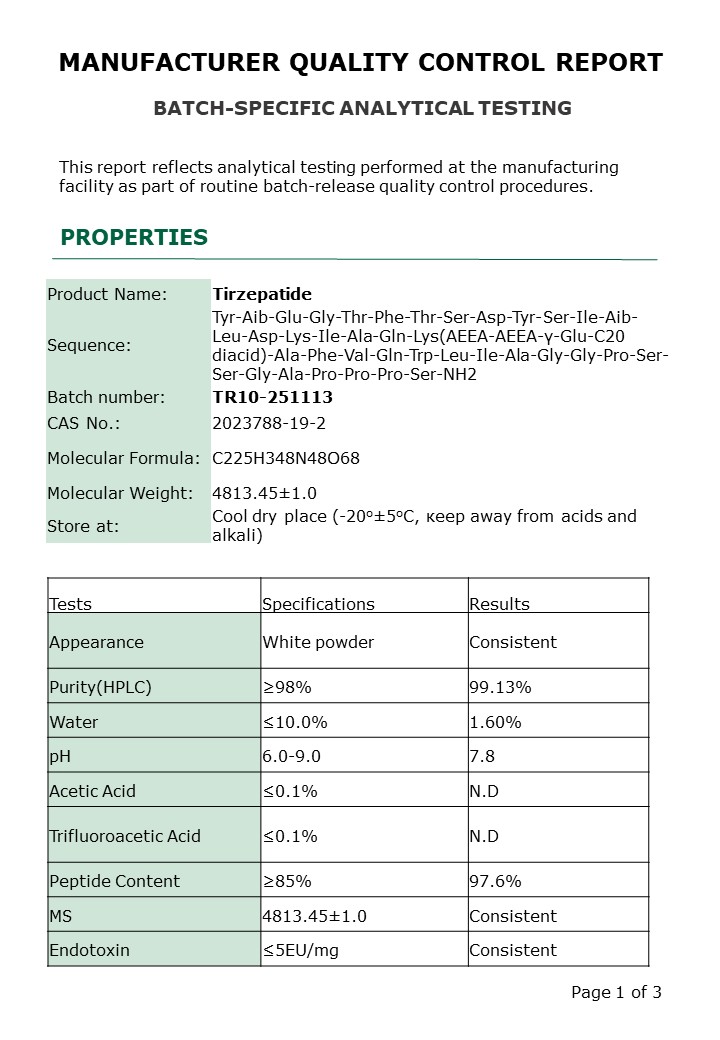
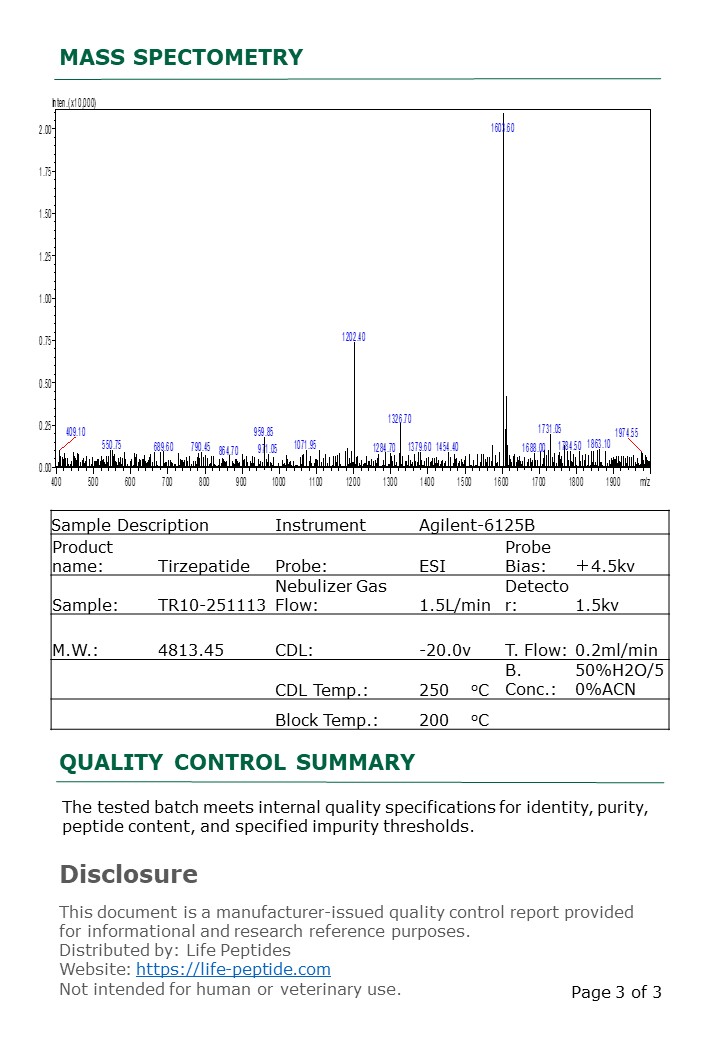
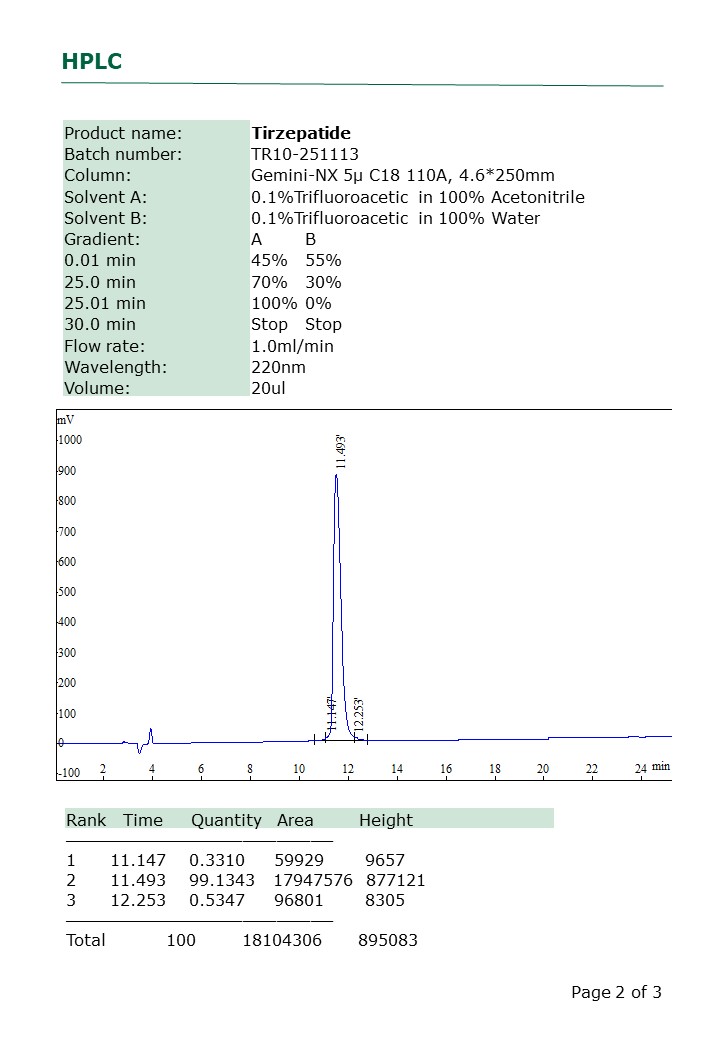
Každá šarže je po výrobě pečlivě laboratorně testována (Certifikát o analýze najdete pod obrázky produktů).
Lyofilizováno (sušeno mrazem) pro maximální stabilitu a prodlouženou trvanlivost.
Uzavřeno ve sterilních lahvičkách, připraveno k rekonstituci.
Čistota: ≥99% (testováno metodou HPLC)
Vzhled: Lyofilizovaný bílý/nebíle bílý prášek
Molekulární vzorec: C225H348N48O68
Molekulová hmotnost: 4813,45
Tyr-Aib-Glu-Gly-Thr-Phe-Thr-Ser-Asp-Tyr-Ser-Ile-Aib-Leu-Asp-Lys-Ile-Ala-Gln-Lys(AEEA-AEEA-γ-Glu-C20 diacid)-Ala-Phe-Val-Gln-Trp-Leu-Ile-Ala-Gly-Gly-Pro-Ser-Ser-Gly-Ala-Pro-Pro-Pro-Ser-NH2
ÚložištěNeotevřené lyofilizované lahvičky jsou nejlépe skladovány chlazené při 2–8 °C, což je metoda skladování potvrzená naším výrobním partnerem a vhodná až po dobu 24 měsíců. Preferuje se chlazení, protože minimalizuje zbytečné cykly zmrazování a rozmrazování během běžné manipulace. Pokud je vyžadováno podstatně delší skladování, lze zmrazené uchovávat i neotevřené lyofilizované lahvičky. Po rekonstituci vždy skladujte při 2–8 °C a nezmrazujte.
Nezávislé ověření třetí stranou
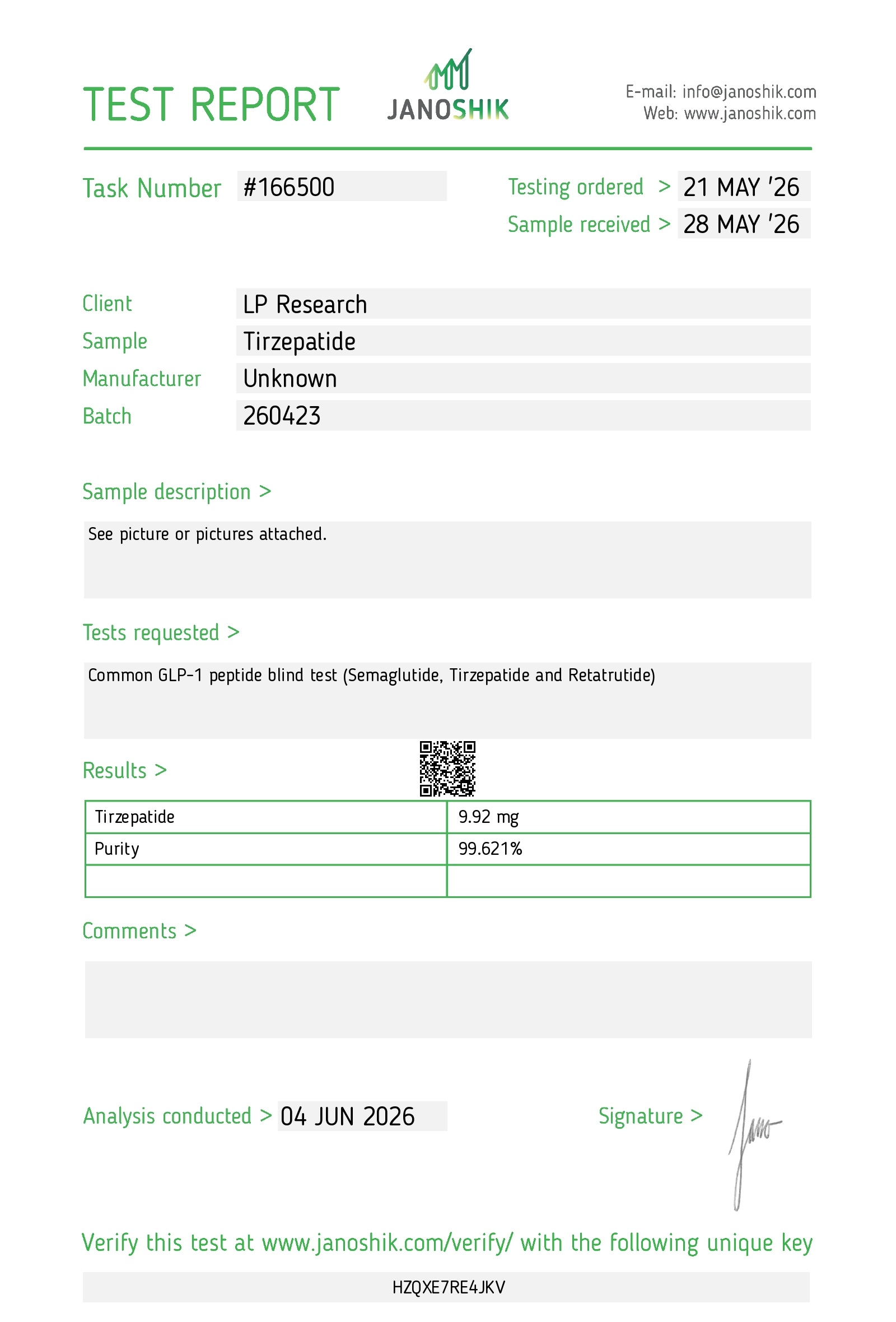
Tato šarže prošla dodatečným analytickým ověřením třetí stranou prostřednictvím společnosti Janoshik Analytical
Dávka: TR10-260423
Čistota stanovená interní HPLC: 99,13%
Ověření třetí stranou: Společnost 99.62% nezávisle potvrdila vysokou čistotu a shodu složení. Zobrazit ověření třetí stranou.
Rekonstituce a manipulace
Tirzepatid je dodáván jako lyofilizovaná lahvička a s přípravkem by mělo být nakládáno za použití standardních postupů rekonstituce peptidů vhodných pro výzkumné prostředí. Musí být rekonstituován pomocí bakteriostatická voda před použitím. Peptidy třídy GLP-1 se někdy rozpouštějí pomalu a vyžadují velmi jemné rozpouštění, aby se zabránilo pěnění nebo vzniku mírného zákalu.
Pro další pokyny k výběru rozpouštědla, plánování koncentrací a skladování viz úplné Průvodce rekonstitucí peptidů a Kalkulačka rekonstituce.
Vybrané výzkumné reference
- Jastreboff AM a kol. “Tirzepatid jednou týdně k léčbě obezity.” New England Journal of Medicine, 2022.
- Frias JP a kol. “Tirzepatid versus semaglutid jednou týdně u pacientů s diabetes mellitus 2. typu. New England Journal of Medicine, 2021.
- Ludvík B a kol. “Tirzepatid jednou týdně versus insulin degludec jednou denně jako přídatná léčba k metforminu. The Lancet, 2021.
- Coskun T a kol. “LY3298176, nový duální agonisté receptorů pro GIP a GLP-1 k léčbě diabetes mellitus 2. typu.” Molecular Metabolism, 2018.
Často kladené otázky
O jaký druh peptidu se jedná o tirzepatid?
Tirzepatid je zkoušený duální agonist inkretinů navržený k aktivaci receptorů GLP-1 a GIP.
Jak se Tirzepatid liší od Semaglutidu?
Semaglutide primárně cílí pouze na GLP-1, zatímco tirzepatid kombinuje aktivitu receptorů GLP-1 a GIP, což mu dává širší profil inkretinové signální dráhy.
Jak se Tirzepatid liší od Retatrutidu?
Retatrutid je trojitý agonista, který k profilu GLP-1/GIP přidává aktivitu glukagonového receptoru. Tirzepatid zůstává selektivnější jako duální agonista GLP-1/GIP.
S jakými výzkumnými oblastmi je tirzepatid spojován?
Tirzepatid byl v odborné literatuře studován ve vztahu k výsledkům tělesné hmotnosti, regulaci chuti k jídlu, glykemické kontrole, inzulínové signalizaci a biologii inkretinů.
Jak tirzepatid funguje?
Tirzepatid současně aktivuje GIP a GLP-1 receptory. Tyto inkretinové dráhy ovlivňují na glukóze závislou sekreci inzulínu, regulaci chuti k jídlu, zpracování živin a energetickou bilanci. Jeho aktivita na dvou receptech odlišuje tirzepatid od látek obsahujících pouze GLP-1, jako je semaglutid. FDA popisuje tirzepatid jako selektivně se vážící a aktivující GIP i GLP-1 receptory.
Co zjistila studie SURMOUNT-1 s tirzepatidem?
Ve studii SURMOUNT-1 činilo průměrné snížení tělesné hmotnosti po 72 týdnech 15,0%, 19,51 TP3T a 20,91 TP3T u skupin s dávkami 5 mg, 10 mg a 15 mg, zatímco u placeba činil úbytek 3,11 TP3T. Do studie byli zařazeni dospělí s obezitou nebo nadváhou bez diabetu.
Byl tirzepatid porovnán přímo se semaglutidem?
Ano. Studie fáze 3 SURPASS-2 přímo porovnávala tirzepatid s Semaglutid 1 mg u dospělých s diabetes mellitus 2. typu. Tirzepatid vyvolal větší snížení hladiny HbA1c a tělesné hmotnosti napříč zkoumanými dávkami během 40týdenní studie.
Jak by měl být lyofilizovaný tirzepatid uchováván?
Pro tento výzkumný produkt je nejlepší uchovávat neotevřené lyofilizované lahvičky v chladničce při teplotě 2–8 °C. Pro výrazně dlouhodobější skladování lze neotevřené lahvičky uchovávat také zmrazené. Zabraňte zbytečnému střídání teplot.
Jak by měl být tirzepatid skladován po rekonstituci?
Po rekonstituci je nutné roztok uchovávat v chladničce při teplotě 2–8 °C a chránit jej před zbytečnými teplotními výkyvy. Je třeba se vyhnout opakovaným cyklům zmrazování a rozmrazování.
Měl by se tirzepatid během rekonstituce třást?
Není nutné provádět prudké třepání. Při rekonstituci peptidů je vhodnější šetrná manipulace, zejména pokud je rozpouštění pozvolné, aby se minimalizovalo pěnění a zbytečný mechanický stres.
Proč se tirzepatid nazývá duální agonista?
Tirzepatid je popisován jako duální agonista, protože jediná molekula aktivuje dva systémy inkretinových receptorů – GIP a GLP-1. To je v kontrastu s Semaglutid‘aktivita GLP-1 receptoru a Retatrutid‘širší profil trojitého agonisty GLP-1/GIP/glukagonu.
Lze v Evropě koupit tirzepatid?
Ano. Tirzepatid zasíláme do většiny evropských zemí prostřednictvím spolehlivých kurýrních služeb. Dostupné způsoby dopravy a dodací lhůty se zobrazi během dokončení objednávky na základě vaší cílové destinace.
Je tento produkt určen k lidskému použití?
Ne. Tento produkt je dodáván výhradně pro výzkumné účely a není určen k lidské spotřebě ani k terapeutickému použití.
Související výzkumný kontext
Tirzepatid je součástí třídy metabolického výzkumu duálních agonistů inkretinových receptorů (GLP-1/GIP). Pro mechanistické porovnání s jednodruhovými agonisty GLP-1 a trojitými agonistickými sloučeninami viz naše Průvodce výzkumem metabolismu GLP-1.
Procházet všechny sloučeniny v Kategorie metabolického výzkumu.
Výzkumníci porovnávající aktivaci více receptorů mohou také zkoumat:
- Retatrutid (trojitý agonistický receptor pro GLP-1/GIP/glukagon)
- Semaglutid (agonista receptoru GLP-1)
Podrobné srovnání aktivity receptorů, publikovaných klinických zjištění a výzkumných rozdílů si můžete přečíst v našem Porovnání výzkumu retatrutidu a tirzepatidu.
POZNÁMKA: Tento text slouží pouze pro vzdělávací účely a nepředstavuje lékařskou pomoc.
Upozornění:
Tento produkt je prodáván pouze pro výzkumné účely. Není určen k diagnostice, léčbě, vyléčení nebo prevenci jakýchkoli onemocnění. Kupující přebírá plnou odpovědnost za řádnou manipulaci a použití.