Popis
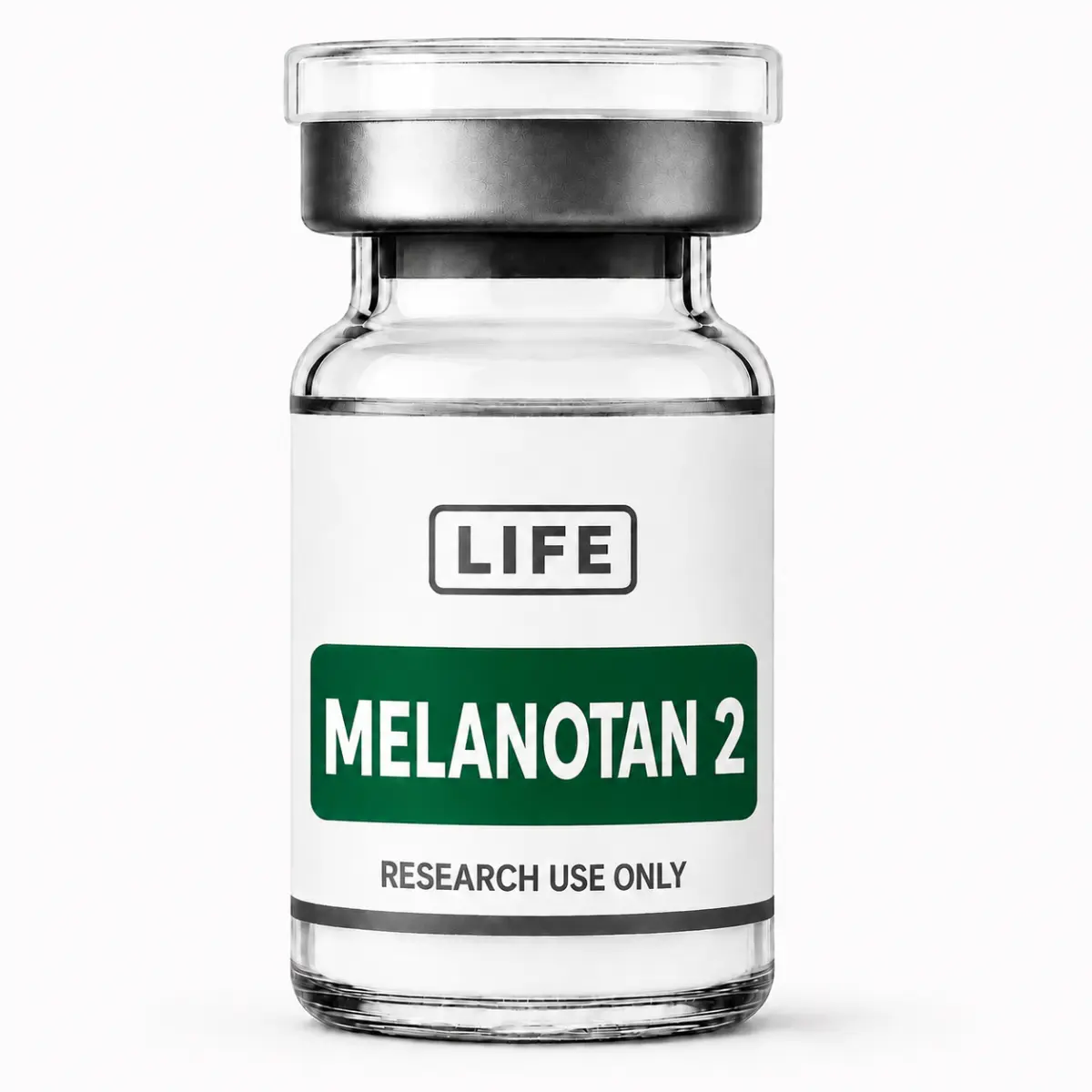
Melanotan 2 (také známý jako Melanotan II nebo MT2) je jedním z nejznámějších výzkumných peptidů pro studie opalování a pigmentace. Je to syntetické. analog alfa-melanocyt stimulujícího hormonu (α-MSH), vyvinutý k zkoumání toho, jak melanokortinová signalizace reguluje produkci melaninu a fyziologickou odpověď kůže na ultrafialové (UV) záření.
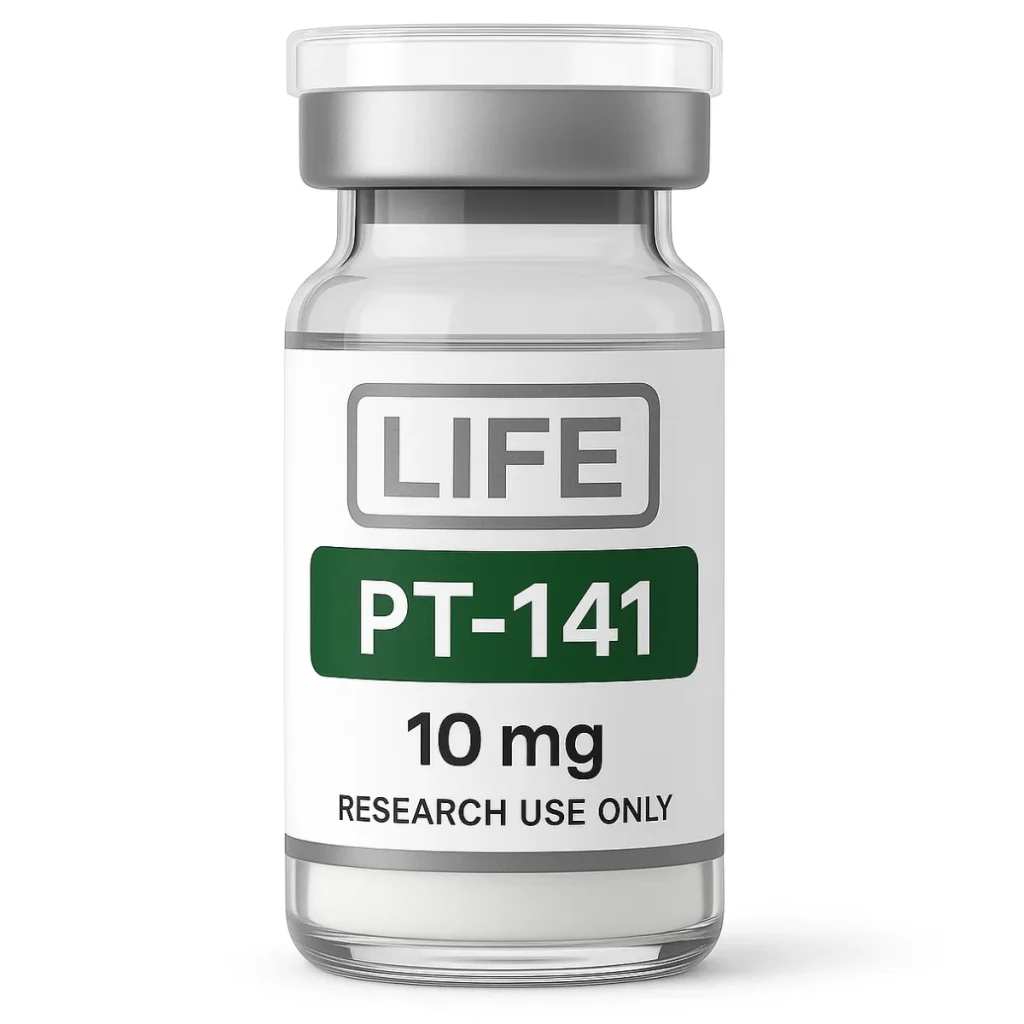
Kromě výzkumu pigmentace hraje Melanotan 2 důležitou roli v prohlubování našeho porozumění melanokortinovému systému. Během počátečních klinických zkoumání pozorovali vědci účinky přesahující pigmentaci kůže, což vedlo k pozdějšímu vývoji PT-141 (Bremelanotid), selektivnější melanokortinový peptid navržený speciálně pro výzkum sexuálních funkcí.
Dnes zůstává Melanotan 2 jedním z nejintenzivněji zkoumaných peptidů v oblasti biologie pigmentace, signalizace melanokortinových receptorů a neuroendokrinní fyziologie.
Chcete si v Evropě koupit Melanotan 2? Společnost Life Peptide dodává vysoce čistý Melanotan 2 pro laboratorní výzkum a zajišťuje spolehlivou dopravu po celé EU.
Proč je Melanotan 2 široce zkoumán
Publikovaný výzkum zkoumal Melanotan 2 ve vztahu k:
- výzkum opalování
- pigmentace kůže
- tvorba melaninu
- melanogeneze
- pigmentace nezávislá na UV záření
- biologie melanocytů
- signalizace melanokortinového receptoru
- regulace chuti k jídlu
- neuroendokrinní fyziologie
Díky své široké receptorové aktivitě se Melanotan 2 stal jedním ze základních výzkumných peptidů pro pochopení melanokortinového systému.
Jak Melanotan 2 podporuje pigmentaci
Publikovaný výzkum ukazuje, že Melanotan 2 primárně aktivuje melanokortinový receptor MC1, která reguluje produkci melaninu v melanocytech.
Výzkum zkoumal jeho vztah s:
Tvorba melaninu
Aktivace melanocytů a zvýšená syntéza melaninu činí z Melanotanu 2 jeden z nejznámějších peptidů ve výzkumu pigmentace.
UV odezva
Zkoumání vztahu mezi signální dráhou melanokortinu, tvorbou melaninu a fyziologickou reakcí kůže na ultrafialové záření.
Biologie pigmentace
Studie zkoumající, jak melanokortinové receptory regulují pigmentaci u různých typů kůže a experimentálních modelů.
Protože Melanotan 2 aktivuje také další melanokortinové receptory, vědci zkoumali další fyziologické dráhy zahrnující regulaci chuti k jídlu, energetickou rovnováhu a signalizaci v centrálním nervovém systému.
Proč se Melanotan 2 stal důležitým i mimo oblast výzkumu opalování
Přestože byl Melanotan 2 původně vyvinut pro výzkum pigmentace, vědci později zjistili, že aktivace melanokortinových receptorů ovlivňuje také dráhy centrální nervové soustavy zapojené do sexuálního chování.
Tyto poznatky nakonec vedly k vývoji PT-141 (Bremelanotid), selektivnější melanokortinový peptid, který se zaměřuje na výzkum sexuální touhy a vzrušení spíše než na pigmentaci.
To činí z Melanotanu 2 jeden z nejvlivnějších peptidů v historii výzkumu melanokortinu.
Lidský a preklinický výzkum
Melanotan 2 byl podrobně zkoumán jak v laboratorních, tak v lidských studiích.
Publikovaný výzkum zahrnuje:
- fyziologie opalování
- biologie pigmentace
- melanogeneze
- UV odezva
- farmakologie melanokortinových receptorů
- regulace chuti k jídlu
- neuroendokrinní signálně
Přestože byly od té doby vyvinuty novější analogy melanokortinu pro specifičtější aplikace, Melanotan 2 zůstává jednou z hlavních výzkumných sloučenin pro studium rodiny melanokortinových receptorů.
Jak se Melanotan 2 liší od příbuzných peptidů
| Cíl výzkumu | Doporučený peptid |
|---|---|
| Výzkum opalování a pigmentace | Melanotan 2 |
| Výzkum sexuální touhy a vzrušení | PT-141 (Bremelanotid) |
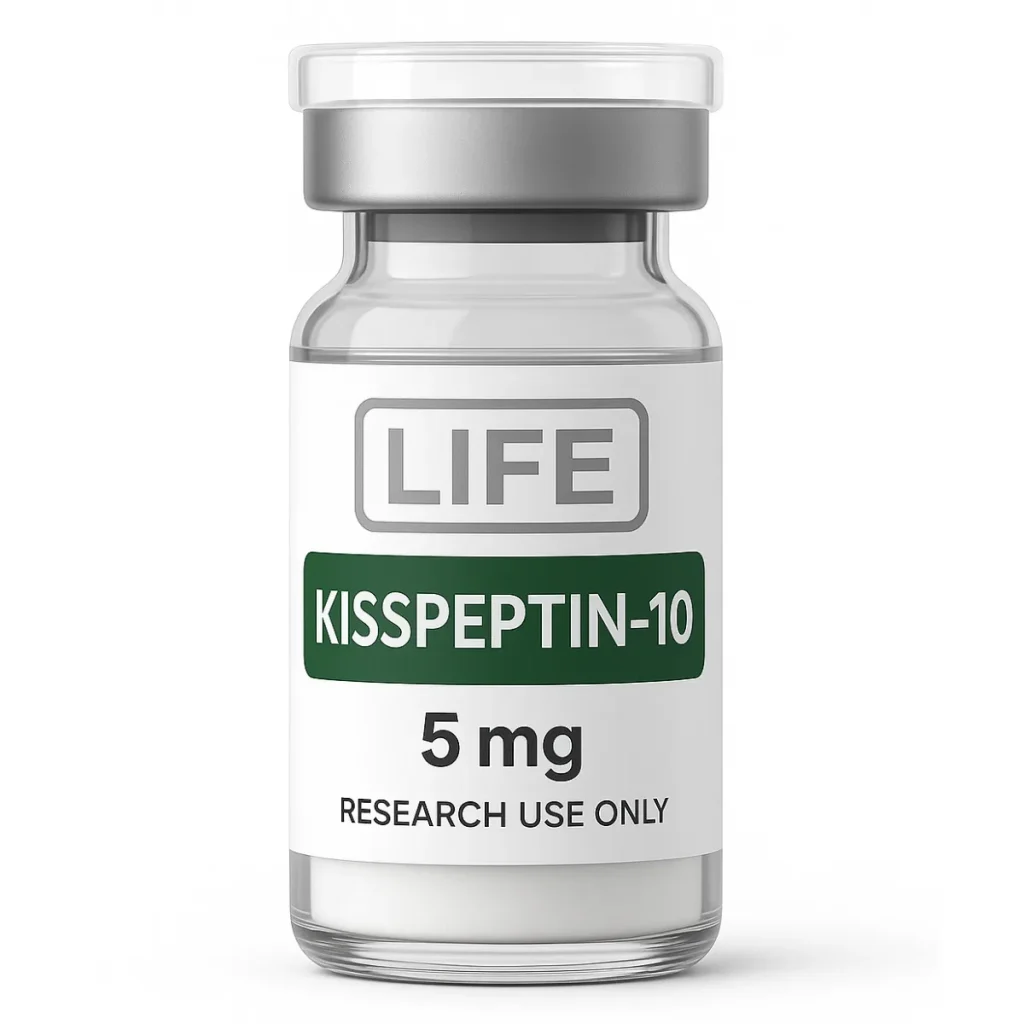
| Regulace reprodukčních hormonů | Kisspeptin-10 |
| Sociální vazby a neuroendokrinní chování | Oxytocin |
Ačkoli Melanotan 2 a PT-141 sdílejí společnou vývojovou historii, jsou nyní zkoumány pro odlišné výzkumné cíle. Melanotan 2 se primárně zaměřuje na pigmentaci a melanokortinovou biologii, zatímco PT-141 zkoumá centrální dráhy podílející se na sexuální touze a vzrušení.
Publikované bezpečnostní poznatky
Publikované studie na lidech nejčastěji uvádějí nevolnost, zarudnutí obličeje, zívání a přechodné ztmavnutí kůže. Výzkumníci rovněž zaznamenali zvýšenou pigmentaci pih a stávajících znamének, což se stalo předmětem dalšího zkoumání. Současné poznatky vycházejí především z kontrolovaných klinických studií a experimentálního výzkumu a dlouhodobá bezpečnost zůstává aktivním tématem v odborné literatuře.
Vlastnosti produktu
Aplikace: laboratorní a analytický výzkum
Použití omezené: není určeno k lidské spotřebě; pro lékařské, veterinární ani kosmetické použití
Vyrobeno v zařízeních splňujících správnou výrobní praxi (GMP) za přísných protokolů kontroly kvality.
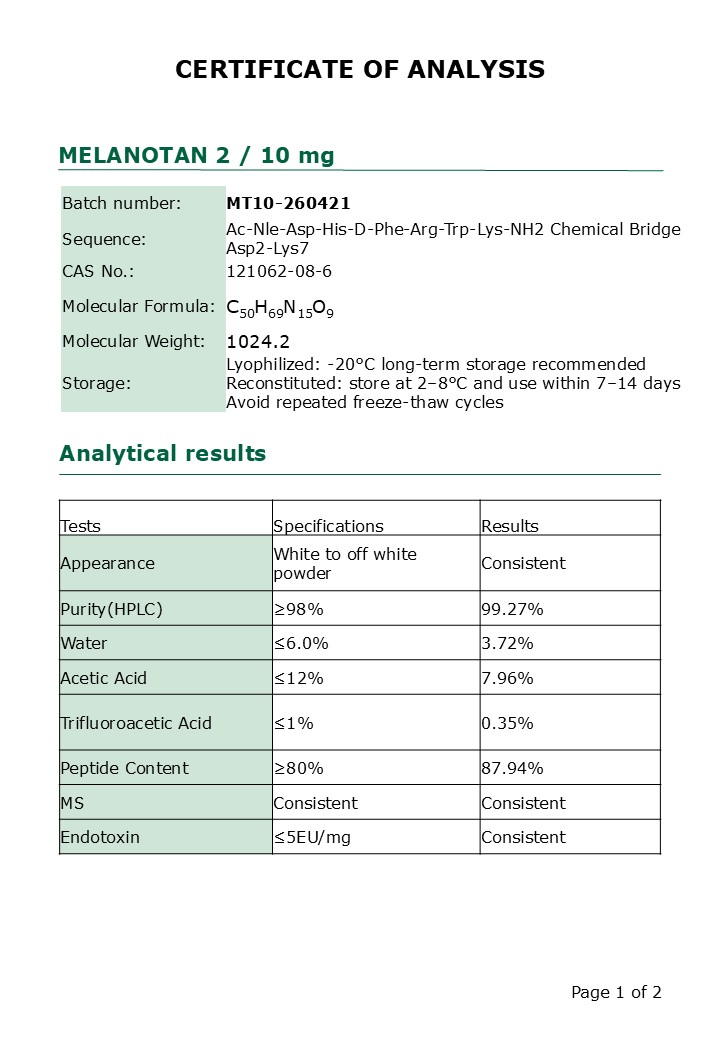
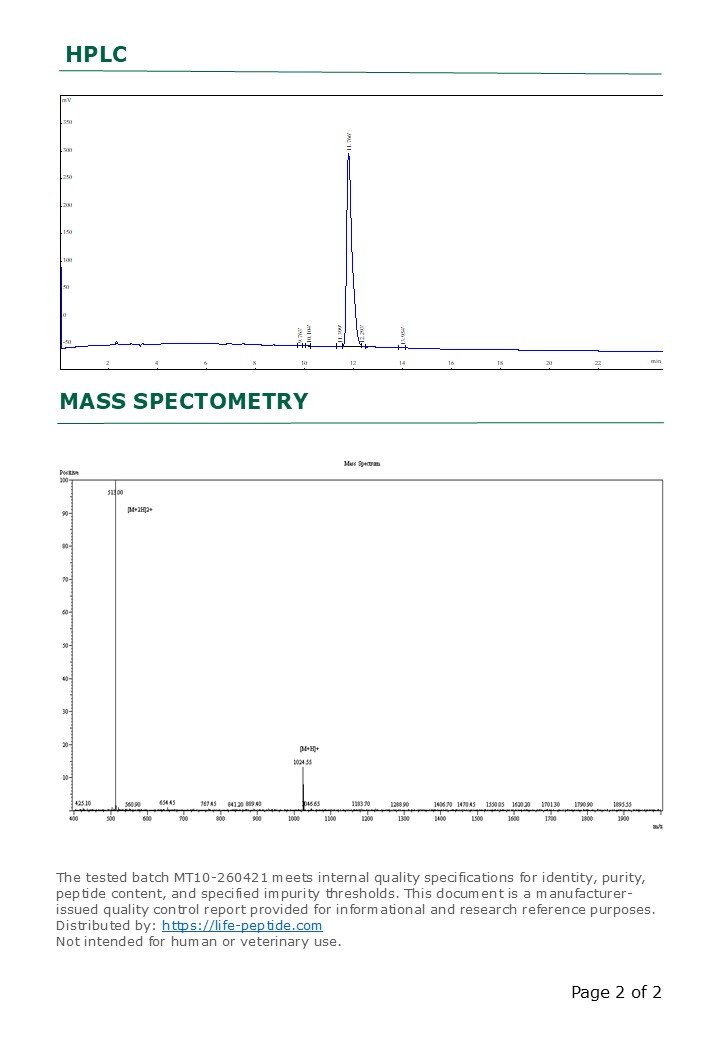
Každá šarže je po výrobě pečlivě laboratorně testována (Certifikát o analýze najdete pod obrázky produktů).
Lyofilizováno (sušeno mrazem) pro maximální stabilitu a prodlouženou trvanlivost.
Uzavřeno ve sterilních lahvičkách, připraveno k rekonstituci.
Čistota: ≥ 99% (HPLC)
Vzhled: bílý lyofilizovaný prášek
Molekulární vzorec: C50H69N15O9
Molekulová hmotnost: 1024,2
Č. CAS: 121062-08-6
ÚložištěNeotevřené lyofilizované lahvičky jsou nejlépe skladovány chlazené při 2–8 °C, což je metoda skladování potvrzená naším výrobním partnerem a vhodná až po dobu 24 měsíců. Preferuje se chlazení, protože minimalizuje zbytečné cykly zmrazování a rozmrazování během běžné manipulace. Pokud je vyžadováno podstatně delší skladování, lze zmrazené uchovávat i neotevřené lyofilizované lahvičky. Po rekonstituci vždy skladujte při 2–8 °C a nezmrazujte.
Rekonstituce a manipulace
Melanotan 2 se dodává jako lyofilizovaná lahvička a mělo by s ním být zacházeno pomocí standardních postupů rekonstituce peptidů vhodných pro výzkumné prostředí. Musí být rekonstituován pomocí bakteriostatická voda před použitím. Pro zachování strukturální integrity přidejte zvolené rozpouštědlo pomalu po vnitřní stěně lahvičky namísto přímo na peptidový prášek a vyhněte se prudkému protřepávání. Jemné kroužení je obecně dostačující, jakmile se peptid zcela rozpustí. Standardní laboratorní postupy zahrnují také ponechání chlazených lahviček dosáhnout pokojové teploty před rekonstitucí, aby se minimalizovala kondenzace uvnitř lahvičky.
Pro další pokyny k výběru rozpouštědla, plánování koncentrací a skladování viz úplné Průvodce rekonstitucí peptidů a Kalkulačka rekonstituce.
Vybrané výzkumné reference
- Hadley, ME. Terapeutika na bázi melanokortinových peptidů: Historické milníky, klinické studie a komercializace, peptidy, 2006
Komplexní přehled popisující vývoj peptidů Melanotan, výzkum pigmentace a následný vývoj látky PT-141 z Melanotanu 2.
- Dorr RT, et al. Hodnocení Melanotanu-II, vysoce účinného cyklického melanotropního peptidu, v rámci pilotní klinické studie fáze I, Life Sciences, 1996
První klinická studie na lidech, která hodnotí přípravek Melanotan 2 a jeho účinky na pigmentaci.
- Habbema L., Halk A. B., Neumann M., Bergman W. Rizika neregulačního užívání analogů alfa-melanocyty stimulačního hormonu: Přehled, International Journal of Dermatology, 2017
Přehled shrnující publikované důkazy týkající se analogů melanotanu, vlivů na pigmentaci a hlášených bezpečnostních aspektů.
- Wessells H, et al. Agonisté melanokortinových receptorů a lidská sexuální funkce, International Journal of Impotence Research, 2000
Jedna z prvních studií na lidech, která prokázala účinky na centrální nervovou soustavu přesahující pigmentaci a přispěla k pozdějšímu vývoji látki PT-141.
Často kladené otázky
Co je Melanotan 2?
Melanotan 2 je syntetický analog α-melanocyt-stimulujícího hormonu (α-MSH). Jedná se o jeden z nejvíce zkoumaných výzkumných peptidů na světě v oblasti opalování, pigmentace a biologie melanokortinových receptorů.
Jak Melanotan 2 podporuje pigmentaci?
Melanotan 2 primárně aktivuje melanokortinový receptor MC1, který reguluje produkci melaninu v melanocytech. Díky tomu je jedním z předních výzkumných peptidů pro studie pigmentace a opalování.
Jak se Melanotan 2 liší od PT-141?
Ačkoli byl PT-141 vyvinut na základě Melanotanu 2, tyto dva peptidy jsou zkoumány z různých důvodů. Melanotan 2 se zaměřuje především na pigmentaci a biologii melanokortinu, zatímco PT-141 je selektivnější melanokortinový peptid, který je zkoumán hlavně v rámci výzkumu sexuální touhy a vzrušení.
Proč se Melanotan 2 spojuje s výzkumem chuti k jídlu a sexuálních funkcí?
Melanotan 2 aktivuje kromě MC1R také několik podtypů melanokortinových receptorů, včetně receptorů podílejících se na regulaci chuti k jídlu a na signálních procesech v centrálním nervovém systému. V raných studiích byly nečekaně pozorovány účinky na sexuální funkce, což přispělo k pozdějšímu vývoji přípravku PT-141.
Jaké oblasti výzkumu se běžně zabývají Melanotanem 2?
Mezi publikované výzkumy patří fyziologie opalování, pigmentace kůže, melanogeneze, reakce na UV záření, signalizace prostřednictvím melanokortinových receptorů, regulace chuti k jídlu a neuroendokrinní fyziologie.
V čem se Melanotan 2 liší od Melanotanu 1 (afamelanotidu)?
Oba peptidy jsou odvozeny od α-MSH, avšak Melanotan 2 aktivuje několik podtypů melanokortinových receptorů, zatímco afamelanotid je výrazně selektivnější vůči MC1R. Díky této širší receptorové aktivitě se Melanotan 2 osvědčil v širším spektru výzkumných témat týkajících se melanokortinů.
Mohu si v Evropě koupit Melanotan 2?
Ano. Melanotan 2 zasíláme do většiny evropských zemí prostřednictvím spolehlivých kurýrních služeb. Dostupné způsoby dopravy a dodací lhůty se zobrazí při dokončování objednávky v závislosti na vaší destinaci.
Je tento produkt určen k lidskému použití?
Ne. Melanotan 2 dodávaný společností Life Peptide je určen výhradně pro laboratorní a analytický výzkum. Není určen k lidské spotřebě, diagnostice, léčbě ani prevenci nemocí. Jakékoli zmínky o publikovaných studiích představují pouze shrnutí současné vědecké literatury týkající se molekuly Melanotan 2, nikoli zamýšleného použití tohoto produktu.
Související výzkumný kontext
Melanotan 2 patří do širší skupiny Výzkumná kategorie melanokortinů a neuroendokrinních peptidů, se zaměřením na signální dráhy pigmentace a mechanismy centrální melanokortinové signalizace.
Výzkumníci zkoumající související modely melanokortinové dráhy mohou rovněž zkoumat:
• PT-141 (Bremelanotid) — výzkum selektivní signalizace melanokortinových receptorů
• Kognitivní a neurovýzkumné peptidy — modely peptidové signalizace v CNS
POZNÁMKAToto je pouze pro vzdělávací účely a nepředstavuje lékařskou radu.
Zřeknutí se odpovědnosti
Tento produkt je prodáván pouze pro výzkumné účely. Není určen k diagnostice, léčbě, vyléčení nebo prevenci jakýchkoli onemocnění. Kupující přebírá plnou odpovědnost za řádnou manipulaci a použití.