Description
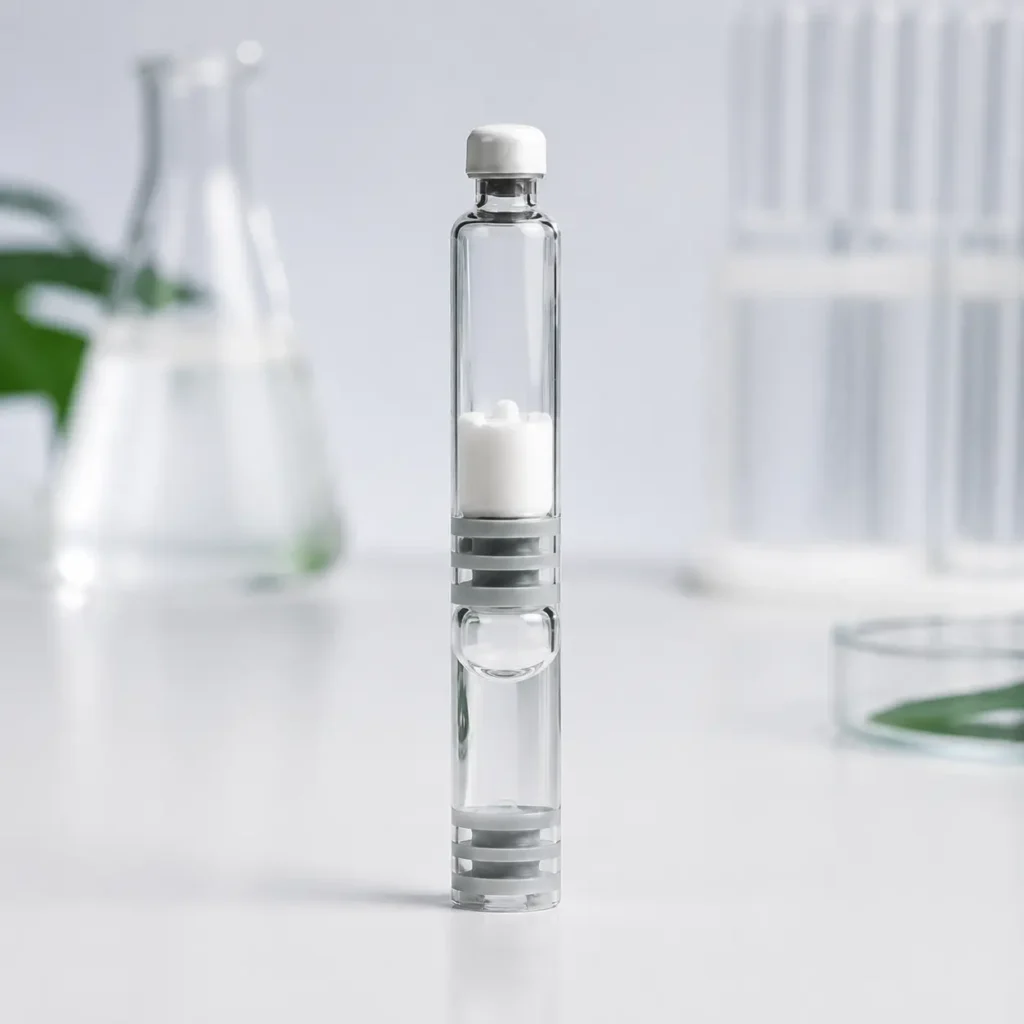
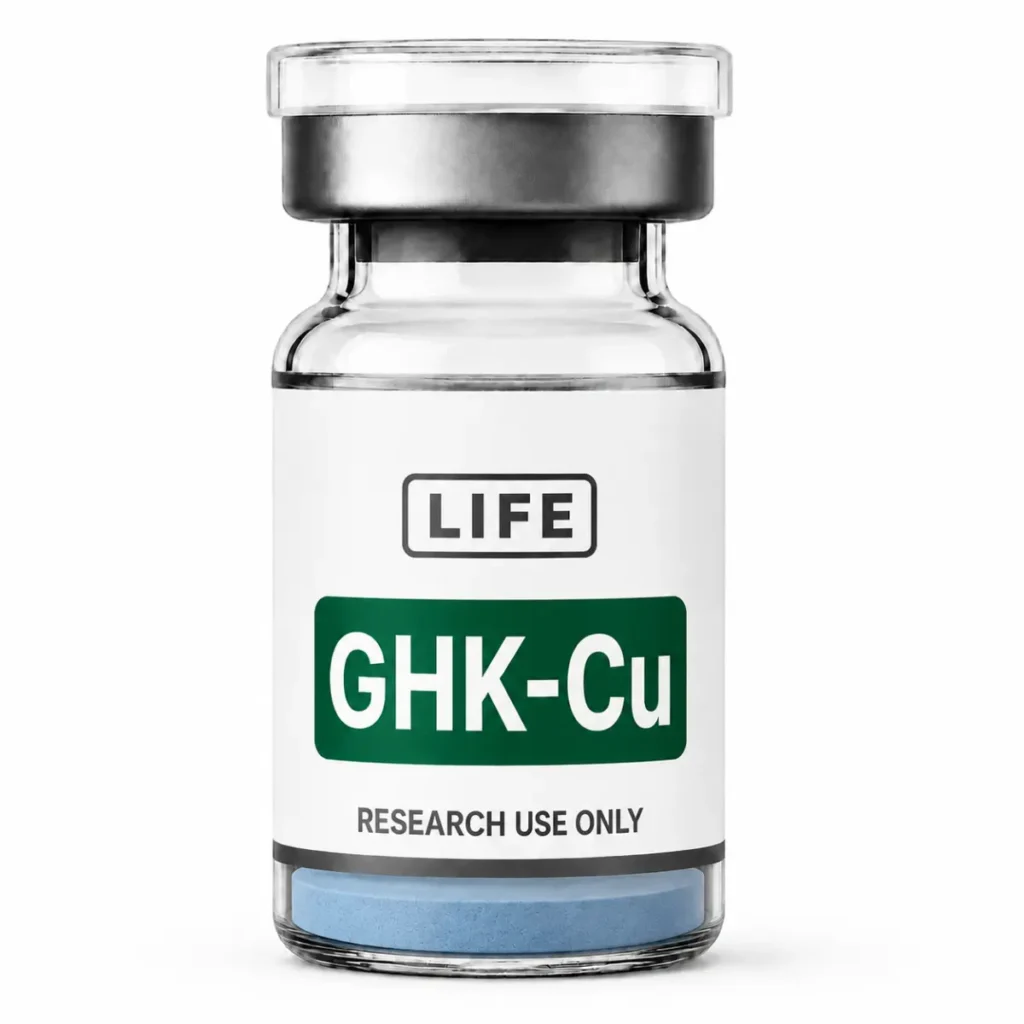
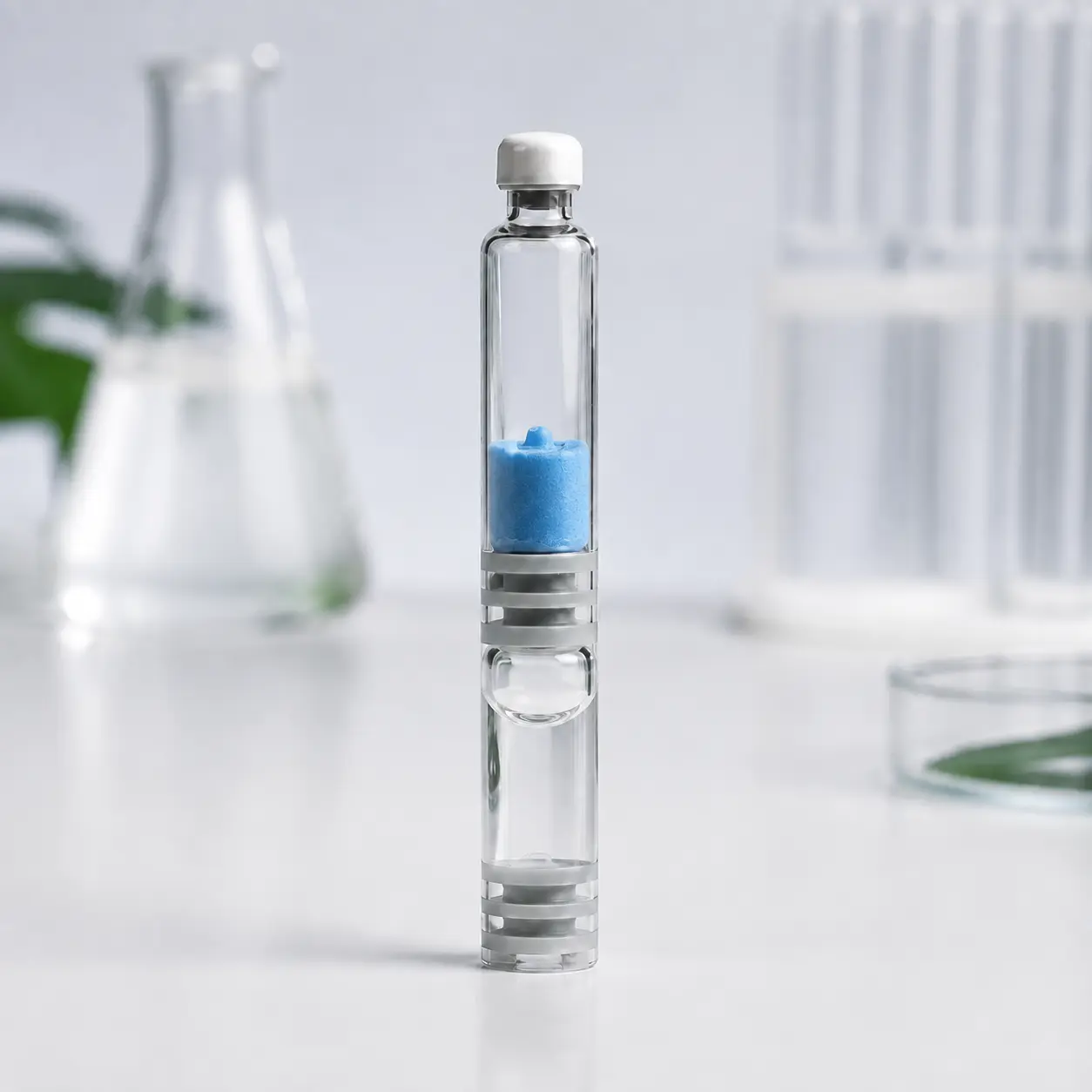
GHK-Cu 100 mg Dual-chamber cartridge in Europe | LIFE supplies GHK-Cu in a dual-chamber research format containing 100 mg of lyophilised copper peptide and a separately stored diluent. After activation, the cartridge provides a final volume of 1 mL.
GHK-Cu in dual-chamber format
GHK-Cu (Copper Tripeptide-1) is a naturally occurring copper-binding peptide recognised for its role in tissue maintenance, collagen biology and cellular repair signalling. It is one of the most extensively researched copper peptides, with published studies investigating its activity in:
- Skin regeneration and collagen production
- Wound healing and tissue remodelling
- Hair follicle biology
- Connective tissue and extracellular matrix regulation
- Antioxidant defence and inflammatory signalling
- Cellular repair and ageing-related biological processes
The GHK-Cu dual-chamber cartridge combines this established research compound with a convenient preparation system.
Unlike conventional vials, where the peptide and diluent are supplied separately, the dual-chamber cartridge contains both components within a single unit. The GHK-Cu remains lyophilised until activation, preserving the advantages of freeze-dried peptide storage while reducing the number of preparation steps required in the laboratory.
With 100 mg of GHK-Cu in one cartridge, this format also offers a larger quantity of research material than our conventional 20 mg and 50 mg vials.
Lyophilised during transportation
GHK-Cu is typically supplied as a blue lyophilised powder. Keeping peptides in their freeze-dried state can provide stability advantages compared with storing them as premixed solutions. Once dissolved, peptide stability becomes more dependent on factors including temperature, time, pH, concentration and formulation.
Premixed peptide cartridges are transported and stored with the compound already dissolved, exposing it to degradation for a longer period.
The dual-chamber system addresses this issue by keeping the GHK-Cu and diluent physically separated.
GHK-Cu remains freeze-dried throughout transportation, and the components are combined only when the cartridge is activated.
This provides several practical advantages:
- No prolonged transportation as a premixed peptide solution
- Reduced time spent in solution before laboratory use
- Integrated storage of peptide and diluent
- Fewer separate preparation components
- Convenient handling in a compact cartridge format
The system does not eliminate temperature sensitivity or guarantee a particular shelf life. Proper storage remains important.
Refrigerated storage at 2–8°C is recommended, subject to the confirmed storage requirements of the complete cartridge formulation.
Learn more in our article Dual-chamber peptide cartridges: how the system works.
Simplified laboratory preparation
Preparing a conventional lyophilised peptide generally requires a separate diluent container, selection of the appropriate volume and transfer of liquid into the peptide vial.
The dual-chamber system simplifies this process. Each cartridge contains a predetermined quantity of GHK-Cu and a separate chamber containing the required diluent. The components are combined inside the cartridge using a compatible reusable device.
This reduces the number of separate handling steps and can help minimise:
- Incorrect diluent-volume selection
- Material loss during transfer
- Unnecessary agitation
- Handling-related contamination
- Unintended variation in final concentration
The cartridge provides a predefined research concentration without requiring the researcher to measure and transfer diluent from a separate container.
Important: A compatible reusable dual-chamber device is required. Standard insulin pens should not be assumed to be compatible.
Concentration: 100 mg in 1 mL
The GHK-Cu dual-chamber cartridge contains 100 mg of copper peptide and is designed to provide a final solution volume of 1 mL after activation.
100 mg ÷ 1 mL = 100 mg/mL
This is a concentrated research preparation.
For comparison:
| Preparation | Concentration | Quantity in 0.1 mL |
| 100 mg in 1 mL | 100 mg/mL | 10 mg |
| 100 mg in 2 mL | 50 mg/mL | 5 mg |
The second row represents a hypothetical conventional laboratory dilution for comparison, not a separate product format.
Because the dual-chamber cartridge uses a fixed final volume, calculations based on conventional vial preparations must be adjusted accordingly. At this concentration, complete dissolution and solution compatibility must be confirmed for the supplied formulation.
The cartridge is intended exclusively for laboratory and analytical research.
Research context
GHK-Cu is the copper complex of the naturally occurring tripeptide glycyl-L-histidyl-L-lysine (GHK). Its biological interest comes from its ability to bind copper and participate in several processes associated with tissue maintenance and regeneration.
Unlike peptides that primarily act through a single receptor, GHK-Cu has been investigated across multiple cellular and molecular pathways.
Collagen and extracellular matrix research
GHK-Cu has attracted considerable attention in studies of collagen regulation, extracellular matrix remodelling and connective tissue biology. Laboratory findings suggest that copper peptide signalling may influence processes involved in tissue maintenance and structural protein turnover.
Skin and ageing research
GHK-Cu is among the better-known peptides investigated in dermatological research. Published studies have examined copper peptides in relation to skin appearance, tissue regeneration and ageing-associated biological changes.
Some human research has evaluated topical copper-peptide formulations, although findings from these products cannot be directly applied to other formulations or administration routes.
Wound healing and tissue repair
Preclinical research has investigated GHK-Cu in models involving wound repair, cell migration, angiogenesis and inflammatory regulation. These studies have contributed to interest in GHK-Cu as a multifunctional regenerative research compound.
Hair follicle biology
GHK-Cu has also been investigated in laboratory research related to hair follicle activity and dermal cell function. This research remains distinct from evidence that the present cartridge can treat hair loss.
For the complete scientific overview, including published research, safety observations, molecular characteristics and references, visit our GHK-Cu research page.
Product characteristics
Compound: GHK-Cu
Quantity: 100 mg
Format: Dual-chamber research cartridge
Peptide state before activation: Lyophilised
Final volume after activation: 1 mL
Final concentration: 100 mg/mL
Application: Laboratory and analytical research
Compatible device: Requires a compatible reusable dual-chamber device
The peptide and diluent remain physically separated within the cartridge until activation.
The cartridge is not supplied as a premixed GHK-Cu solution.
GHK-Cu standard vial or dual-chamber cartridge?
LIFE offers GHK-Cu in conventional lyophilised vials and the dual-chamber cartridge format. Both contain the same copper-peptide compound, but the packaging, available quantities and preparation methods differ.
The conventional version contains lyophilised GHK-Cu in a sealed glass vial. The diluent is supplied separately, allowing researchers to select their preferred preparation volume and concentration.
Our standard GHK-Cu range includes 20 mg and 50 mg options. This format is suitable for laboratories requiring flexibility in preparation.
GHK-Cu 100 mg dual-chamber cartridge
The dual-chamber version contains 100 mg of GHK-Cu with the diluent stored separately inside the same cartridge. The components remain isolated until activation.
Its main advantages include:
- Larger 100 mg research quantity
- Lyophilised peptide during transportation
- Integrated diluent chamber
- Reduced preparation steps
- Predetermined final concentration
- Compatibility with a dedicated reusable cartridge device
The cartridge is especially convenient for laboratories that prefer a fixed-volume preparation system. Researchers requiring flexible diluent volumes can choose our GHK-Cu standard vials.
Frequently Asked Questions
What is GHK-Cu?
GHK-Cu is a naturally occurring copper-binding tripeptide investigated in skin regeneration, collagen biology, connective tissue research and cellular repair signalling.
What does the GHK-Cu 100 mg dual-chamber cartridge contain?
Each cartridge contains 100 mg of lyophilised GHK-Cu and a separately stored diluent. The components remain physically isolated until activation.
Is GHK-Cu already dissolved inside the cartridge?
No. The peptide remains freeze-dried during storage and transportation. The diluent is contained in a separate chamber and contacts the peptide only when the cartridge is activated.
What is the final concentration?
The cartridge is designed to provide 100 mg of GHK-Cu in a final volume of 1 mL, corresponding to a nominal concentration of 100 mg/mL.
Why choose the dual-chamber format instead of a premixed cartridge?
The principal advantage is that GHK-Cu remains lyophilised until activation. This avoids the extended storage period in solution associated with premixed products and reduces the number of separate laboratory preparation steps.
Does the dual-chamber format improve GHK-Cu stability?
Keeping the peptide freeze-dried avoids exposing it to the diluent during transportation and storage. However, the actual stability of GHK-Cu depends on the complete formulation, temperature, packaging and storage duration. Specific shelf-life advantages require supporting stability data.
Is this the same GHK-Cu as the standard vial?
Both formats contain the GHK-Cu copper complex. The principal differences are the quantity supplied, packaging and preparation system. The standard vial allows flexible laboratory reconstitution, while the dual-chamber cartridge provides an integrated, fixed-volume format.
Can the cartridge be used with any reusable pen?
No. A compatible dual-chamber device is required. Conventional insulin pens and other cartridge systems should not be assumed to fit.
Why is GHK-Cu blue?
GHK-Cu forms a copper coordination complex with a characteristic blue colour. The appearance is associated with the copper complex, although colour alone cannot establish product identity, purity or concentration.
Can I buy GHK-Cu dual-chamber cartridges in Europe?
Yes. LIFE supplies research peptides to customers across Europe. Available shipping methods and delivery options are displayed during checkout.
Where can I find detailed GHK-Cu research information?
Our standard GHK-Cu research page provides additional information about collagen signalling, extracellular matrix biology, published studies and scientific references.
GHK-Cu research page
No. The cartridge is supplied strictly for laboratory and analytical research. It is not intended for human or veterinary use, medical treatment or cosmetic application.
Related research
GHK-Cu belongs to the copper-peptide research category and is frequently investigated alongside compounds associated with tissue repair and cellular regeneration.
Researchers exploring related pathways may also examine:
BPC-157 – Studied in preclinical models of connective tissue repair, angiogenesis and gastrointestinal biology.
TB-500 / Thymosin β4 – Investigated in research involving cell migration, actin regulation and tissue remodelling.
KPV – A tripeptide investigated for its influence on inflammatory signalling and epithelial biology.
GLOW Blend – A combined research formulation containing BPC-157, Thymosin β4 and GHK-Cu.
Browse the complete Healing & recovery research collection or explore our Dual-chamber cartridge range.
NOTE: This information is provided for educational and scientific reference only and does not constitute medical advice.
Disclaimer: This product is sold strictly for laboratory and analytical research purposes. It is not intended for human or veterinary use, diagnosis, treatment, cure or prevention of disease. The buyer assumes responsibility for appropriate handling and lawful research applications.