Descripción
Cagrilintide es un análogo de acción prolongada de la amilina, una hormona peptídica que se produce de forma natural y que se co-secreta con la insulina por las células β pancreáticas después de la ingesta de alimentos.
A diferencia de Semaglutida, Tirzepatida y Retatrutida, que actúan principalmente a través de las vías de las incretinas, Cagrilintida se dirige a sistemas de receptores de amilina y calcitonina, introduciendo un mecanismo complementario para regular el apetito y el balance energético. Su farmacología distintiva lo ha convertido en uno de los compuestos investigacionales más importantes en la investigación moderna de péptidos metabólicos.
Dado que su mecanismo difiere fundamentalmente de los agonistas del receptor GLP-1, la cagrilintida se ha convertido en una molécula importante para los investigadores que investigan terapias combinadas que activan múltiples vías de regulación del apetito simultáneamente.
¿Quieres comprar cagrilintida en Europa? Life Peptide suministra cagrilintida de alta pureza para investigación de laboratorio, con un servicio de envío fiable a toda la UE.
Por qué la cagrilíntida es importante en la investigación metabólica
Cagrilintida representa uno de los primeros análogos de amilina de acción prolongada capaz de mantener una activación sostenida del receptor a través de una administración una vez por semana en investigación clínica publicada.
Su mecanismo único lo ha convertido en una importante herramienta de investigación para estudiar:
- regulación del apetito
- señalización de saciedad
- vaciamiento gástrico
- balance energético
- regulación del peso corporal
- biología de la amilina
- terapia de combinación con agonistas del receptor GLP-1
En lugar de reemplazar a los agonistas de GLP-1, la cagrilintida se investiga frecuentemente como péptido metabólico complementario porque activa vías fisiológicas que difieren de la señalización de incretinas por sí sola.
Cómo funciona la Cagrilintida
Cagrilíntida principalmente activa los receptores de amilina, con actividad adicional a través de complejos del receptor de calcitonina.
La amilina se libera de forma natural junto con la insulina después de las comidas y contribuye a la regulación fisiológica de:
- saciedad
- vaciamiento gástrico
- secreción de glucagón
- ingesta de alimentos
A diferencia de los agonistas del receptor de GLP-1, que amplifican principalmente la señalización de las incretinas, la cagrilintida reproduce aspectos clave de la fisiología de la amilina endógena. Este mecanismo complementario explica por qué se ha convertido en un foco principal de la investigación combinada con Semaglutida y otros péptidos basados en incretina.
Hallazgos clínicos publicados sobre Cagrilintida
Los estudios clínicos en humanos han demostrado que la Cagrilintida en investigación produce reducciones dependientes de la dosis en el peso corporal junto con mejoras en control del apetito y saciedad. En el ensayo de determinación de dosis de Fase 2 publicado en The Lancet, la Cagrilintida semanal produjo una reducción de peso corporal significativamente mayor que el placebo y fue generalmente bien tolerada en el rango de dosis investigado.
Uno de los desarrollos más importantes en la investigación posterior ha sido la investigación de Cagrilintida en combinación con Semaglutida. En lugar de actuar sobre el mismo receptor, las dos moléculas activar vías biológicas complementarias, lo que permite a los investigadores evaluar si la señalización combinada de amilina y GLP-1 produce efectos metabólicos más amplios que cualquiera de los mecanismos por sí solos. Estudios de combinación posteriores respaldaron este razonamiento y ayudaron a establecer la cagrilintida como un socio líder para la investigación metabólica basada en GLP-1.
Cagrilintida vs. Semaglutida vs. Tirzepatida
Cagrilintida
- Análogo de amilina de acción prolongada
- Actividad del receptor de amilina / calcitonina
- Complementario a la señalización de incretinas
- Frecuentemente investigado en combinación con agonistas de GLP-1
- Agonista del receptor GLP-1
- Fundamentos de la investigación de GLP-1
- Evidencia clínica exhaustiva
- Agonista dual GLP-1 / GIP
- Señalización de incretinas ampliada
- A menudo se compara con estrategias combinadas que incluyen Cagrilintida
Características del producto
Aplicación: investigación de laboratorio y análisis
Uso restringido: no apto para consumo humano; no apto para uso médico, veterinario o cosmético
Producido en instalaciones que cumplen con GMP bajo estrictos protocolos de control de calidad.
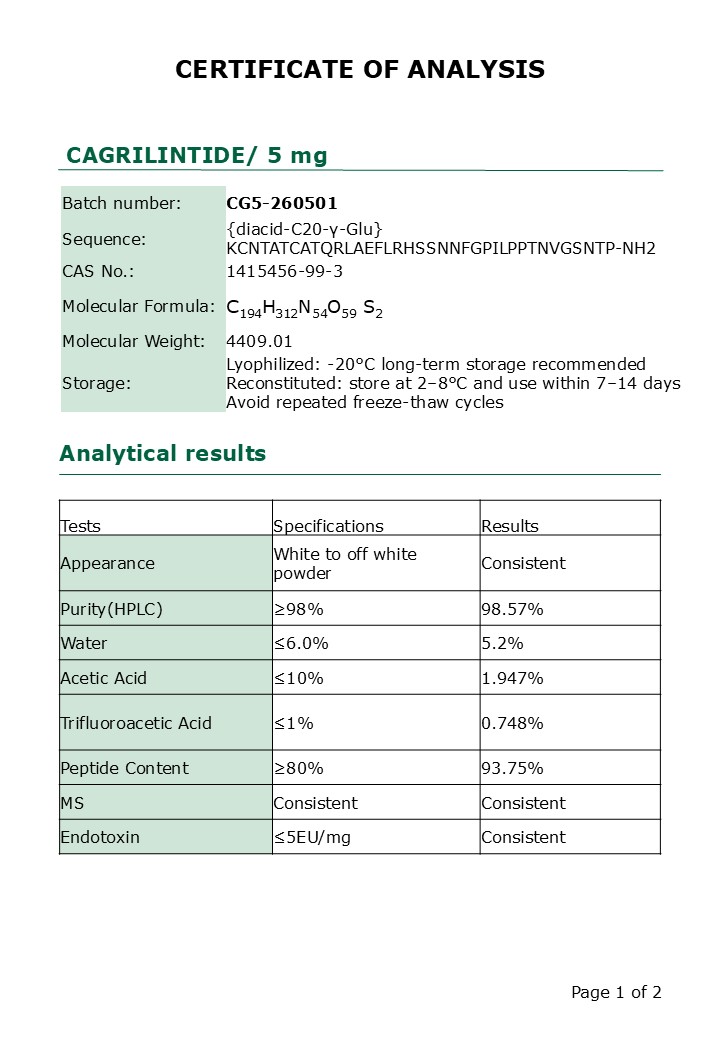
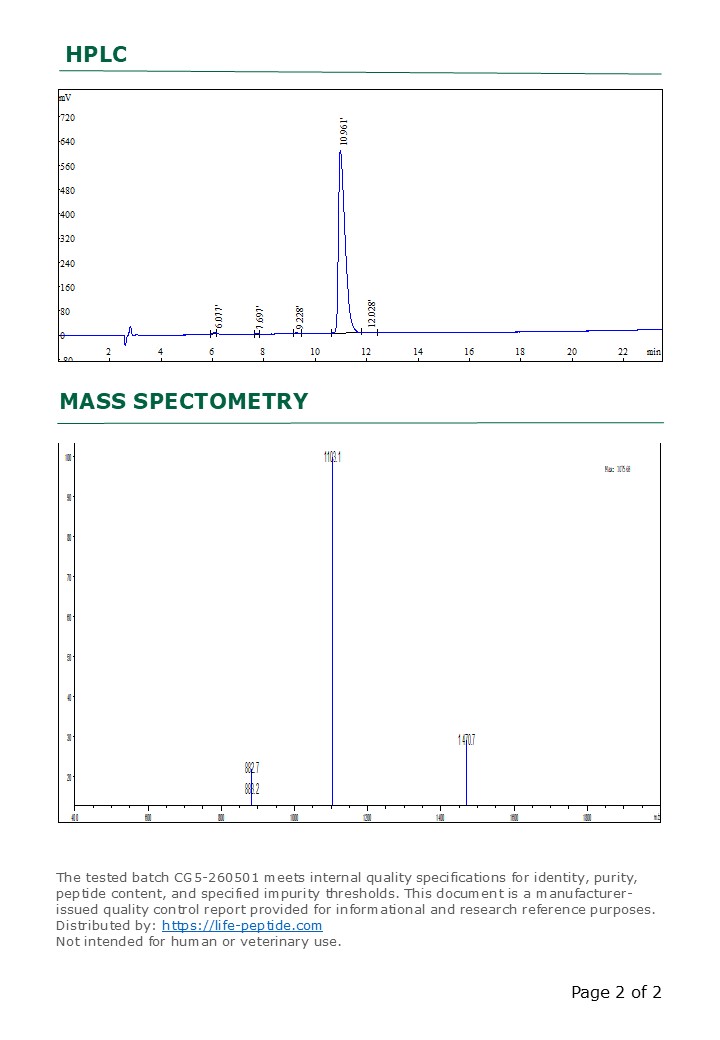
Cada lote se somete a pruebas de laboratorio exhaustivas después de la producción (puede encontrar el Certificado de Análisis debajo de las imágenes del producto).
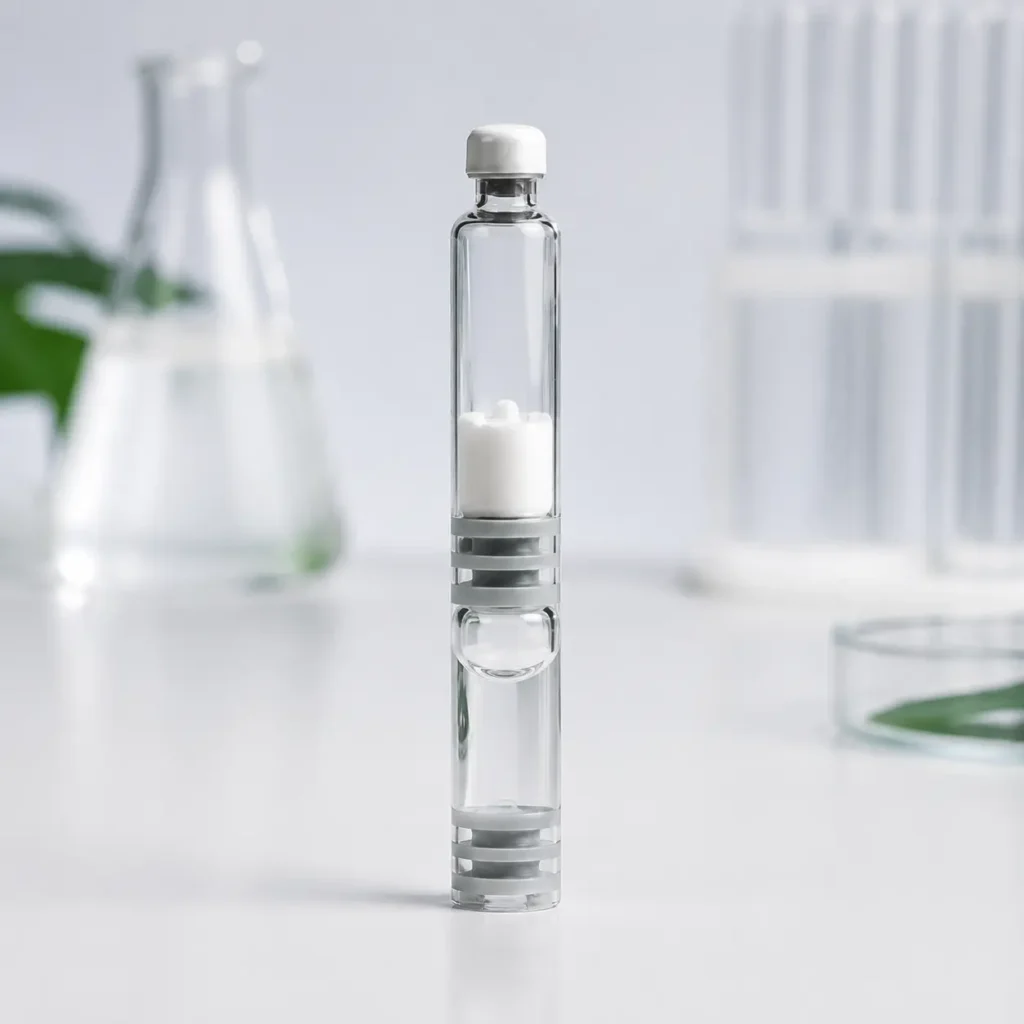
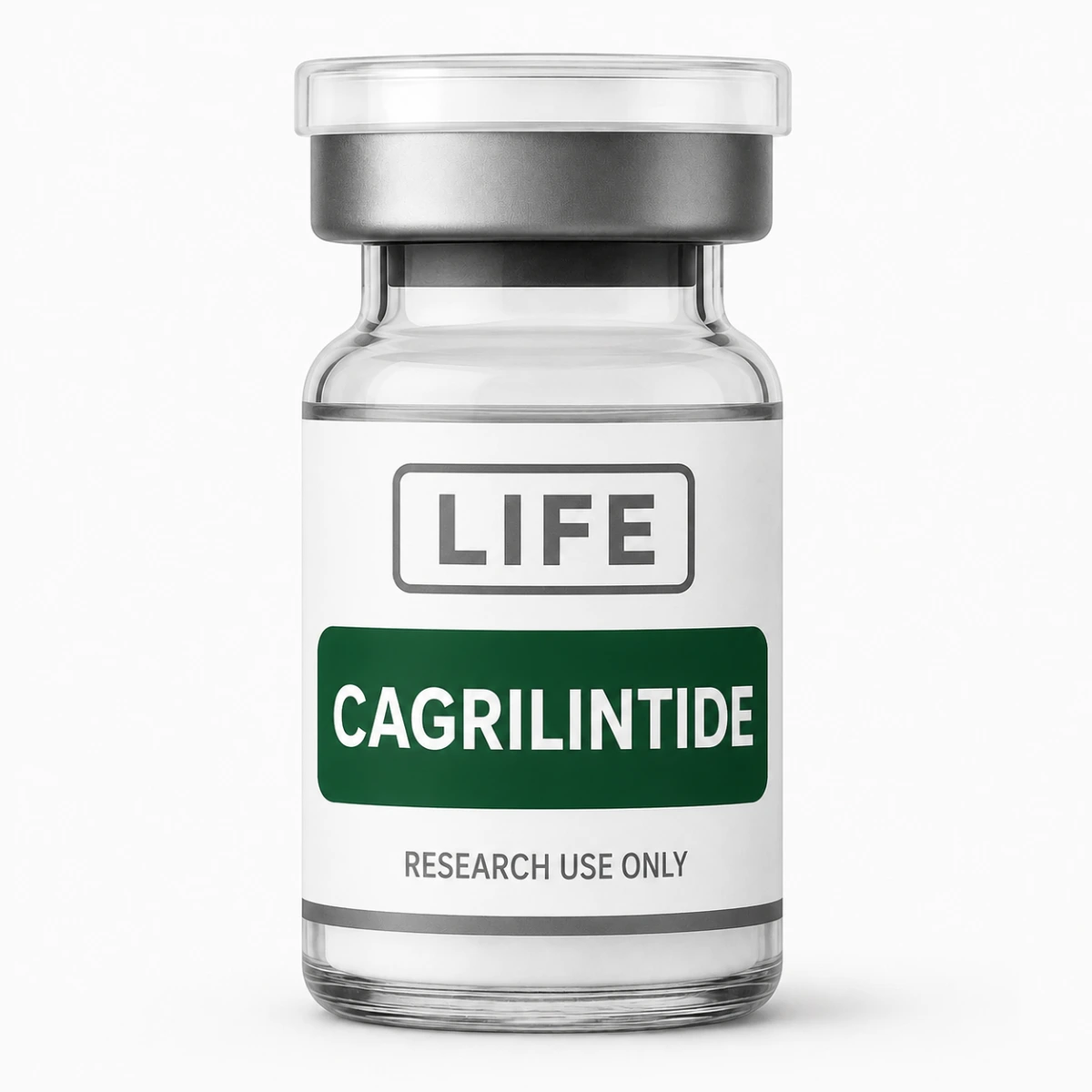
Liofilizado (liofilizado) para máxima estabilidad y vida útil prolongada.
Sellado en viales estériles, listo para la reconstitución.
Pureza: ≥ 98,61 TP4T (HPLC)
Apariencia: polvo blanco liofilizado
Fórmula molecular: C194H312N54O59 S2
Peso molecular: 4409.01
Secuencia: {diácido-C20-γ-Glu}KCNTATCATQRLAEFLRHSSNNFGPILPPTNVGSNTP-NH2
Almacenamiento: los viales liofilizados sin abrir se almacenan mejor refrigerar a 2–8 °C, que es el método de almacenamiento confirmado por nuestro socio de fabricación y adecuado para hasta 24 meses. Se prefiere la refrigeración porque minimiza los ciclos innecesarios de congelación y descongelación durante la manipulación rutinaria. Si se requiere un almacenamiento a más largo plazo, los viales liofilizados sin abrir también pueden mantenerse congelados. Una vez reconstituidos, almacene siempre a 2–8 °C y no congele.
Reconstitución y manipulación
La cagrilintida se suministra en un vial liofilizado y debe manipularse utilizando los procedimientos estándar de reconstitución de péptidos apropiados para el entorno de investigación. Debe reconstituirse con agua bacteriostática Antes de usar. Los péptidos de la clase GLP-1 a veces tardan en disolverse y requieren una reconstitución muy suave para evitar la formación de espuma o que queden ligeramente turbios.
Para otras guías sobre selección de solventes, planificación de concentraciones y almacenamiento, consulte el completo Guía de Reconstitución de Péptidos y Calculadora de Reconstitución.
Estudios clave publicados
- Lau DCW y col. Cagrilintida semanal para el control del peso en personas con sobrepeso u obesidad. The Lancet. 2021.
El estudio emblemático de Fase 2 para determinar la dosis, que demostró una reducción significativa del peso corporal dependiente de la dosis y estableció la Cagrilintida como el principal análogo de amilina de acción prolongada para la investigación metabólica.
- Kruse T y col. Desarrollo de Cagrilintida, un análogo de amilina de acción prolongada. Journal of Medicinal Chemistry. 2021.
La publicación fundamental de química medicinal que describe el diseño molecular, la farmacología de los receptores y la estrategia de desarrollo detrás de Cagrilintide como un análogo de amilina de acción prolongada.
- Frias JP et al. Eficacia y seguridad de la cagrilintida administrada conjuntamente con semaglutida en la diabetes tipo 2. The Lancet. 2023.
El estudio clínico fundamental que evaluó la combinación de la amilina y el agonismo del receptor GLP-1, proporcionando el fundamento científico para la investigación posterior de CagriSema.
- D’Ascanio AM y col. Cagrilintide: Un análogo de amilina de acción prolongada para el tratamiento de la obesidad. Cardiology in Review. 2023.
Una revisión exhaustiva que resume la farmacología, el mecanismo de acción, el desarrollo clínico y el papel de la Cagrilintida dentro de la investigación metabólica moderna.
Preguntas Frecuentes
¿Qué es la Cagrilíntida?
Cagrilintida es un análogo de acción prolongada de la hormona amilina, diseñado para reproducir y prolongar la señalización fisiológica de la amilina. A diferencia de los agonistas del receptor GLP-1, se dirige principalmente a las vías del receptor de amilina, lo que la convierte en uno de los péptidos de investigación líderes para el estudio de la regulación del apetito y la biología de la saciedad.
¿Cómo funciona la Cagrilintida?
Cagrilintide activa sistemas receptores de amilina involucrados en la saciedad, el vaciamiento gástrico y el balance energético. Su mecanismo complementa en lugar de duplicar la señalización del receptor GLP-1, razón por la cual se investiga frecuentemente junto a agonistas de GLP-1 como Semaglutida.
¿Por qué la cagrilíntida se combina a menudo con la semaglutida?
La cagrilintida y la semaglutida actúan a través de diferentes vías biológicas. La cagrilintida se enfoca principalmente en la señalización del receptor de amilina, mientras que la semaglutida activa el receptor de GLP-1. Investigaciones clínicas publicadas han estudiado si la combinación de estos mecanismos complementarios puede producir efectos metabólicos más amplios que cada vía por sí sola.
¿En qué se diferencia la Cagrilintida de los agonistas del receptor GLP-1?
A diferencia de la semaglutida, la tirzepatida y la retatrutida, la cagrilintida no es un agonista del receptor de incretina. Es un análogo de la amilina de acción prolongada con un mecanismo de acción distinto, lo que la convierte en una adición importante a la investigación metabólica en lugar de ser simplemente otro péptido derivado del GLP-1.
Las áreas de investigación que comúnmente investigan la cagrilintida incluyen:
Estudios publicados han investigado la Cagrilintida en relación con la regulación del apetito, la señalización de la saciedad, los resultados del peso corporal, el vaciamiento gástrico, el balance energético y la terapia combinada con agonistas del receptor GLP-1. Su farmacología única la ha convertido en una de las moléculas líderes en la investigación metabólica basada en amilina.
¿Puedo comprar Cagrilintida en Europa?
Sí. Enviamos Cagrilintide a la mayoría de los países europeos utilizando servicios de mensajería fiables. Los métodos de envío disponibles y los plazos de entrega se muestran durante el proceso de pago según su destino.
¿Está este producto destinado al uso humano?
No. La cagrilintida suministrada por Life Peptide se destina exclusivamente a la investigación de laboratorio y a fines analíticos. No está destinada al consumo humano, ni al diagnóstico, tratamiento o prevención de enfermedades. Cualquier referencia a estudios clínicos publicados que aparezca en esta página se incluye únicamente con el fin de resumir la bibliografía científica actual sobre la molécula de cagrilintida.
Contexto de investigación relacionado
La cagrilintida pertenece a la clase de análogos de la amilina dentro de la investigación metabólica.
Para marcos comparativos:
• Agonistas del receptor GLP-1 (p. ej., Semaglutida)
• Agonistas duales (p. ej., Tirzepatida)
• Modelos de combinación (por ejemplo, marcos de investigación CagriSema)
Para una comparación de mecanismos más amplia, consulte la Guía de investigación metabólica de GLP-1 y explora el Categoría de investigación metabólica para compuestos relacionados.
NOTA: Esto es solo para fines de referencia educativa y no constituye asesoramiento médico.
Descargo de responsabilidad
Este producto se vende únicamente para fines de investigación. No está destinado a diagnosticar, tratar, curar ni prevenir ninguna enfermedad. El comprador asume toda la responsabilidad por su manipulación y uso adecuados.